The Ministry of Textiles has officially prolonged the Rebate of State and Central Taxes and Levies scheme through September 30, 2026, ensuring uninterrupted fiscal support for domestic apparel and made-ups exporters. Operating on the principle of zero-rating exports, the mechanism reimburses hidden tax burdens that are not otherwise neutralized, maintaining pricing parity for Indian manufacturers within western retail markets.
Simultaneously, the administration has extended the parallel Remission of Duties and Taxes on Exported Products framework to cover non-apparel categories across the broader textile value chain. Providing long-term regulatory visibility allows small and medium manufacturing enterprises to secure international orders with absolute confidence in their cost structures, notes Rajesh Mehta, a New Delhi-based senior export consultant specializing in trade policy.
Mitigating raw material deficits through duty relief
Complementing these fiscal rebates, targeted customs exemptions on imported raw cotton have eliminated a critical cost barrier for domestic spinning mills managing domestic supply deficits.
With domestic cotton production registering at roughly 31.1 million bales against consumption demand of 31.8 million bales, the temporary removal of basic customs duties has effectively neutralized a 11 per cent tariff burden on necessary raw material imports. Industry stakeholders indicate that these synchronized policy interventions arrive at an opportune moment to protect operating margins as international buyers demand aggressive pricing flexibility. By combining short-term tax remissions with long-term capital investments driven by the Production-Linked Incentive framework, the Indian textile sector aims to accelerate export momentum following a period of moderated growth.
Primary pillar of national economy
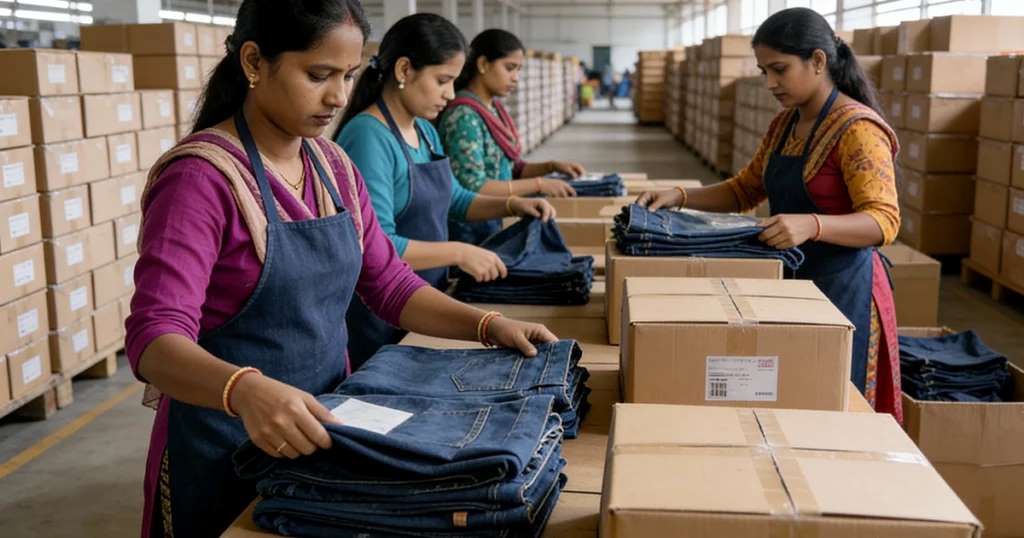
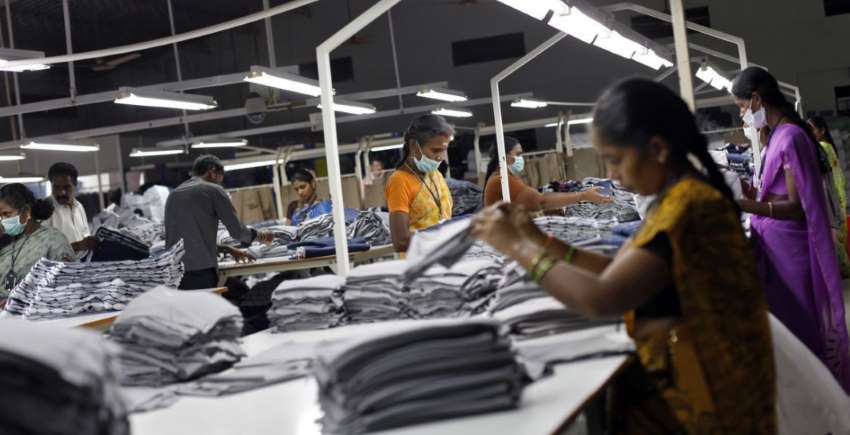
India's textile and apparel sector serves as a primary pillar of the national manufacturing economy, driving extensive employment across labor-intensive processing and garmenting clusters. The industry encompasses comprehensive value-chain operations ranging from cotton cultivation and yarn spinning to advanced technical textiles and finished retail apparel exports.