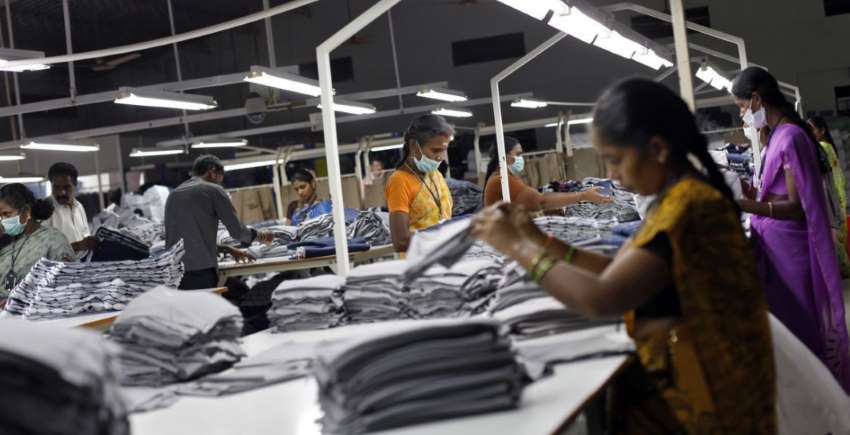
BGMEA has formally established a strategic partnership agreement with the Global Reporting Initiative to advance the Improving Transparency for Sustainable Business initiative across local textile and apparel manufacturing networks.
Designed to institutionalize rigorous environmental, social, and economic impact reporting, the collaboration equips local export houses with globally recognized disclosure frameworks. This development arrives as international retail buyers and regulatory bodies increasingly demand verifiable non-financial data to comply with stringent corporate sustainability directives. Bangladesh's garment industry has made significant progress in environmental sustainability and workplace safety, and the next step is to strengthen how companies measure, manage, and communicate their performance, explains Wasim Zakariah, Chairman-Standing Committee on Responsible Business Hub and Sustainability Reporting.
Addressing global compliance and supply chain pressures
As apparel manufacturing ecosystems navigate complex international trade regulations and evolving due diligence mandates, adopting standardized reporting metrics provides a vital competitive shield. The multi-year capacity-building framework incorporates specialized workshops, digital training modules, and stakeholder dialogues tailored for small, medium, and large manufacturing enterprises. By aligning factory-floor data collection with universal reporting standards, local manufacturers can seamlessly address rigorous compliance expectations from western retailers and financial investors. The partnership creates an important channel for the sector's experience and practical realities to inform wider sustainability reporting discussions, notes Bastian Buck, Chief-Standards, GRI. Through this structured transparency initiative, the South Asian export hub aims to reinforce long-term buyer trust and secure sustainable market positioning.
A foundational pillar of the national export economy
The Bangladesh readymade garment sector functions as a foundational pillar of the national export economy, supplying high-volume knitwear and woven categories to major international retail brands. Driven by extensive infrastructure upgrades and rising eco-compliance standards, the industry prioritizes sustainable manufacturing, resource efficiency, and long-term global competitiveness.