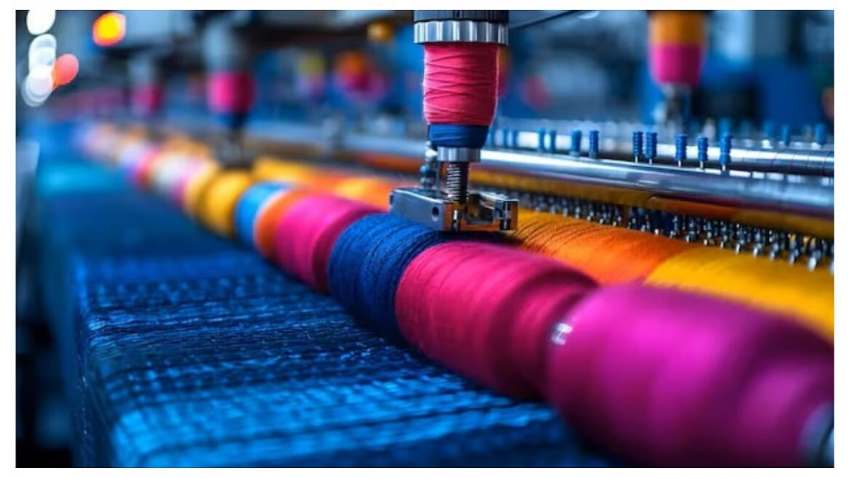
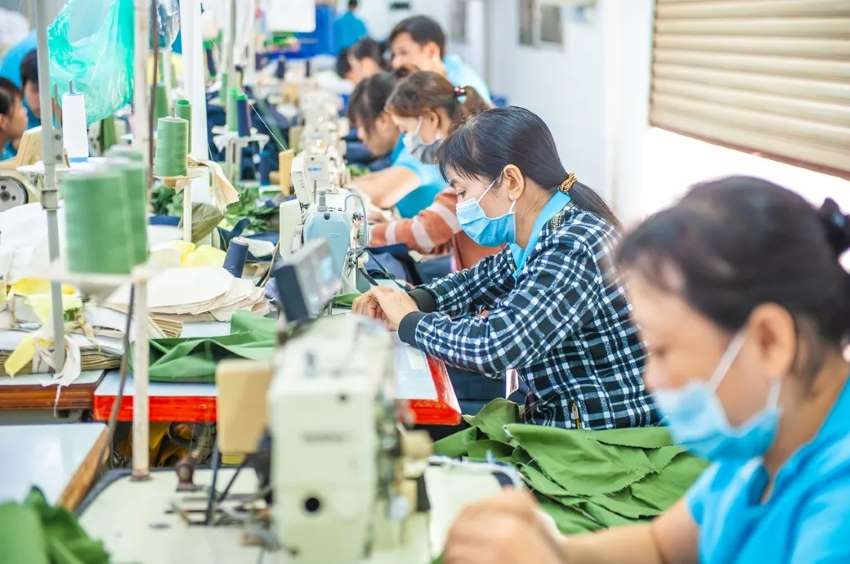
Vietnam’s textile and garment businesses have been unable to take advantage of free trade agreements including EVFTA due to underdeveloped fabric production. Vietnam textile and garment industry exports around $40 billion worth of products and requires around 10 billion meters of fabric each year. According to the Ministry of Industry and Trade it uses around 45 per cent of domestic materials.
The local fabric industry produces around 2.3 billion meters of fabric a year, meeting only 25 per cent of the country’s demand. Over 7 billion meters of fabric material for production and export is imported from China, Taiwan and the Republic of Korea. Tran Tuan Anh, Minister of Industry and Trade, said the country’s production of cotton, fibres and dyes does not satisfy the textile and garment industry’s demand. Not enough attention is being given to dyeing technology and environmental protection to develop the textile dyeing industry, so businesses are reluctant to invest in textile production or form start-ups in fashion design.
Vietnam’s textile and garment industry focuses mostly on manufacturing, low added value. While the industry has many opportunities from Vietnam’s free trade agreements with other economies, around 60 per cent exports comes from FDI companies. The EVFTA’s rules of origin make it harder for businesses to use their values.
An investment of around $30 billion is needed in order for the industry to be able to produce the remaining 8 billion meters of fabric.
Luong Hoang Thai, Director -Multilateral Trade Policy Department. Ministry of Industry and Trade, said the EVFTA’s rules of origin allow businesses to import fabric from Korea but Vietnam and the RoK would have to hammer out technical specifications and decide how to examine and confirm the origin of the fabric.