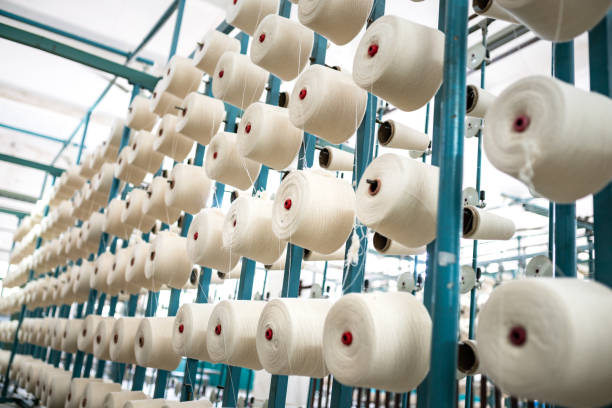
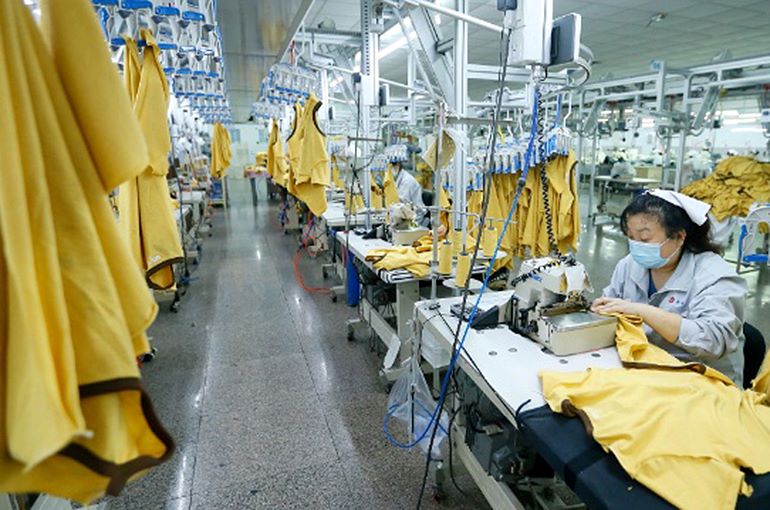
With the revival of textile sector in UK, nearly 15,000 jobs could be created in the UK textile and apparel sector by 2020. Last year 5,000 new jobs were created in textile manufacturing in the UK.
Post-recession growth is coming from micro companies rather than well known manufacturers in the UK textile industry. Significant capabilities still exist in traditional sectors such as yarn spinning, knitting and weaving alongside growth in technical textiles, materials and composites.
Increasing costs from competing countries are making UK sourcing more attractive and traditional areas of manufacturing are focused around high unemployment pockets. A number of retailers are supporting repatriation of textile manufacturing to the UK. From princesses' wedding dress to F1 cars, planes and space crafts, UK textile manufacturing is still leading the world in many segments.
Of particular note is the success of the National N Brown Textiles Growth Program, the first ever textile grant growth program in British history, led by N Brown Group, a UK apparel retailer. Launched in 2013, as an incentive scheme, the program has to date invested £1million in grants to 94 companies thereby leveraging an additional £30 million of private sector investment. The UK textile industry is worth £9 billion to the economy and is experiencing year-on-year export and domestic growth.
- 1
- 2
- 3
- 4
- 5
- 6
- 7
- 8
- 9
- 10
The £7 Billion Question: Who pays for fashion’s ‘free rental’ habit?
The global fashion industry is facing an uncomfortable paradox: its most valuable customers may also be its most destructive. A... Read more
India, China Bangladesh face fresh headwinds as global apparel markets rebalance
Global apparel trade is entering a more uneven recovery phase, with demand growth persisting but losing uniform momentum across major... Read more
Global cotton enters a deficit year in 2026 as supply drop meets logistics risk
The global cotton economy has entered a fragile and sensitive phase. Early projections for the 2026-27 season suggest that world... Read more
India’s textile trade gets a Pacific push as New Zealand FTA removes tariff barr…
India and New Zealand have inked a ‘once-in-a-generation’ Free Trade Agreement (FTA), one that will have a profound impact on... Read more
Lululemon’s world-first nylon circularity push signals a new apparel arms race
The global apparel industry’s circularity narrative is entering a more technically demanding phase. Polyester recycling once the flagship of sustainable... Read more
Beyond the DTC Rush: Levi’s hybrid channel strategy sets a new retail benchmark
The global apparel sector is entering a phase where channel strategy is no longer a tactical lever but a core... Read more
The New Rules of Resale: EPR turning secondhand into fashion’s strategic growth …
The global fashion industry is facing a decisive regulatory and commercial reset. What began as a sustainability narrative around reuse... Read more
The 2027 Mandate: Why denim’s future hinges on verifiable data
For decades, the global denim industry has relied on a narrative of durability, heritage, and authenticity. That narrative is now... Read more
Europe’s textile core unravels as costs, imports and policy pressure bite
Europe’s textile and apparel sector, long seen as a benchmark for craftsmanship and industrial depth, is slipping into a prolonged... Read more
Automation, innovation, regulation are the forces shaping textiles in 2026
The global textile sector has entered a new era. Early 2026 saw the industry breach a $1.06 trillion valuation, reflecting... Read more