It is unclear how the transition to circular business models will affect apparel workers and their communities, especially the most vulnerable ones. There have been cases where new business models – the gig economy, for example – have perpetuated inequality and poor working conditions for the greater economic gain of a few. There is an opportunity to design and operate a new economic system that addresses this culture of uneven power dynamics. The need is to understand how to enable positive outcomes for workers, employees, customers and the broader society in the transition to an inclusive and fair circular apparel industry.
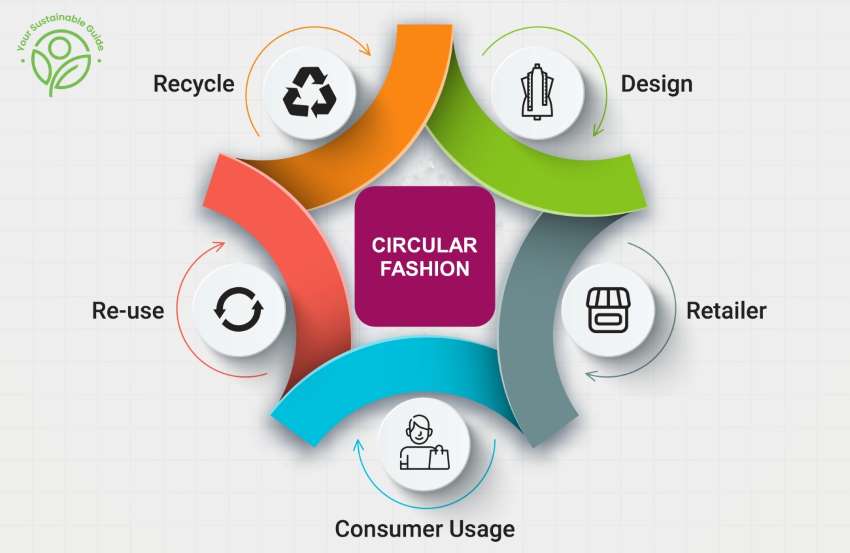
Adopting circular business models principles can potentially reduce the use of raw materials and could generate net economic benefits. In the fashion industry, different circular business models – including rental, reuse, re-commerce, repair, fashion as a service and closed-loop production systems – are already being implemented and tested by different apparel brands and retailers. The transition towards circularity can help to improve lives and livelihoods in the apparel industry; increase decision-makers’ capacities to address social issues of the apparel industry within a circular economy; and increase or improve the quality of open-source data and methodologies that address gender and social inclusion in the implementation of current circular business models in the apparel industry.
Monday, 01 July 2019 13:03