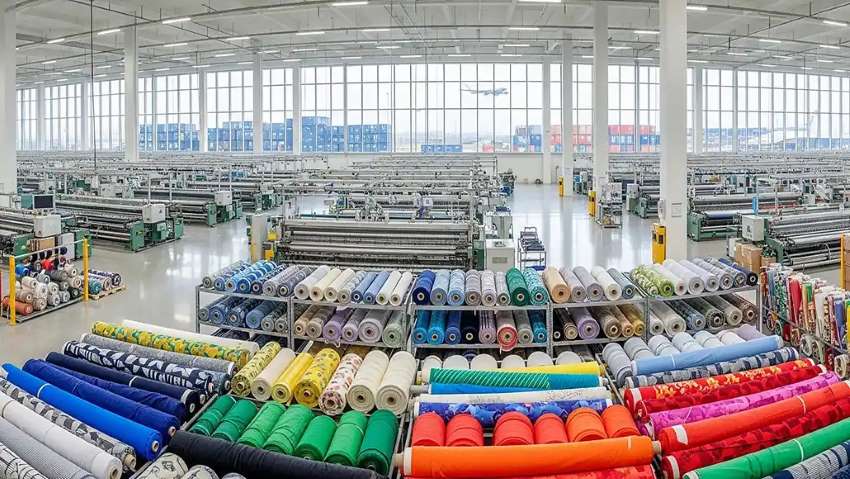
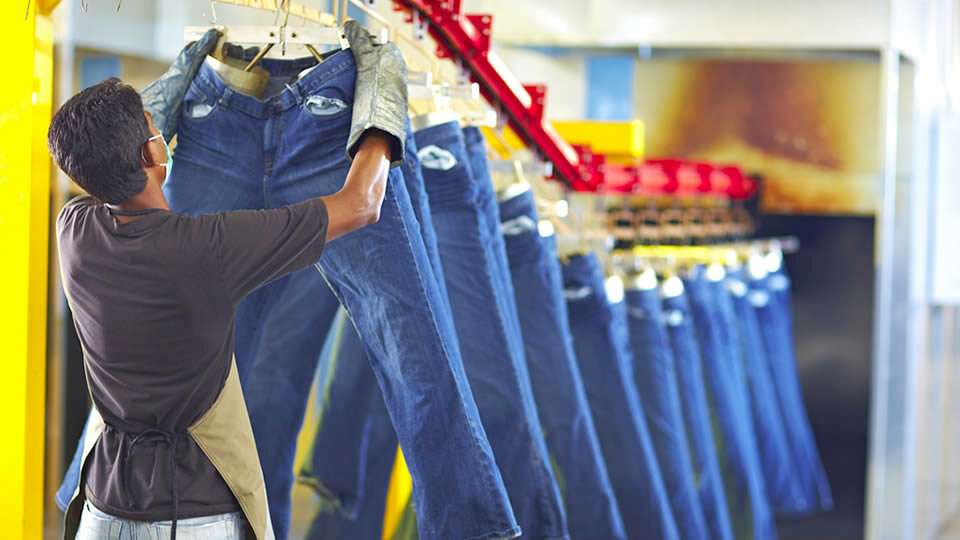
As the National Textile Ministers’ Conference concludes in Guwahati today, the Ministry of Textiles has officially launched the District-Led Textiles Transformation (DLTT) initiative to transition the sector from bulk commodity spinning to high-value ‘technical’ yarns and smart fabrics, targeting the creation of 70 million jobs by 2031.
To support this, the government extended the Production Linked Incentive (PLI) Scheme deadline to March 31, 2026, specifically to capture fresh investments in man-made fibres (MMF) and technical textiles.
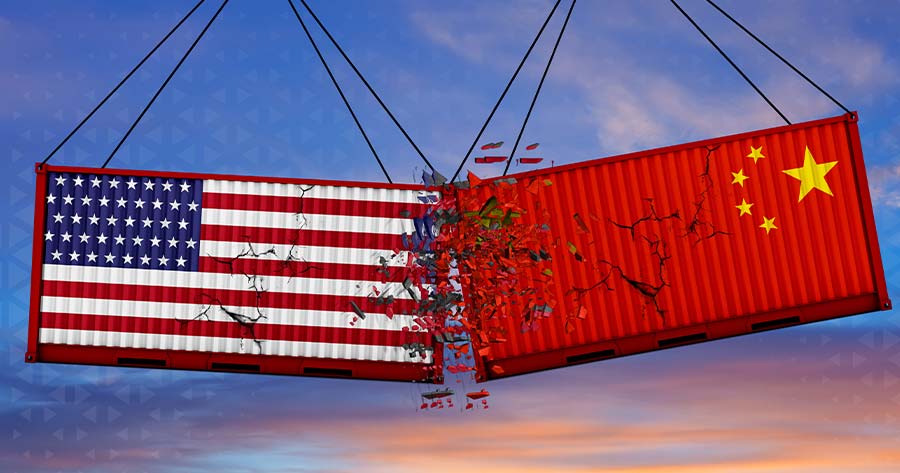
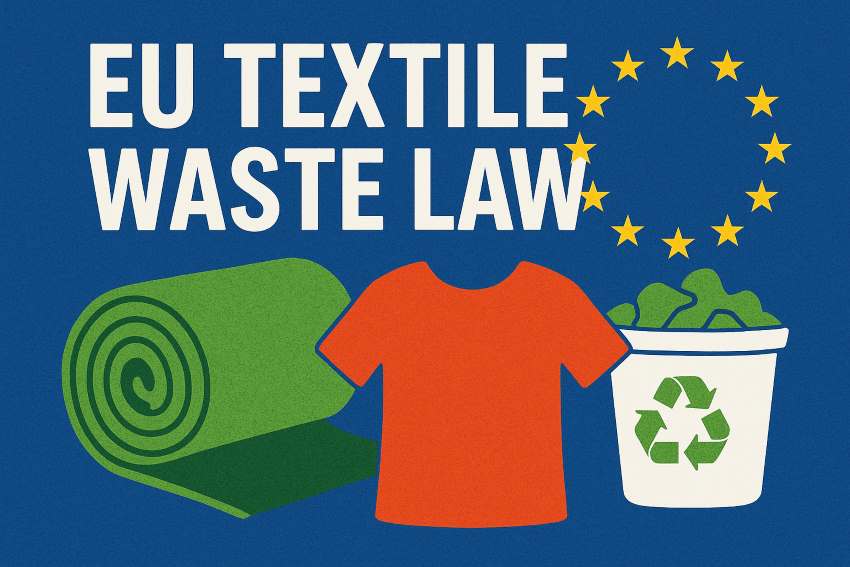
However, the industry faces immediate turbulence. Exporters informed a Parliamentary panel, order books for the March quarter could collapse by 50 per cent due to the 50 per cent tariff currently imposed by the United States. Furthermore, a regional trade rift has widened as the Bangladesh Trade and Tariff Commission considers a 20 per cent safeguard duty on Indian yarn to protect its local spinners. Giriraj Singh, Textile Minister, emphasized, value addition is no longer optional; it is the primary shield against global tariff volatility. In response, firms like RSWM have integrated AI-driven sustainability platforms this week to meet stringent European transparency mandates, while Yajur Fibers is finalizing its Rs 120.41 crore IPO to fund a specialized linen yarn facility in Madhya Pradesh.
Yajur Fibers is an established manufacturer specializing in ‘cottonized’ bast fibres, including flax, jute, and hemp. Serving a global B2B clientele, the company is currently expanding into 100 per cent wet-spun linen yarn through its new Ujjain unit. With a legacy dating to 1980, it aims to capitalize on the rising demand for sustainable, plant-based textiles.