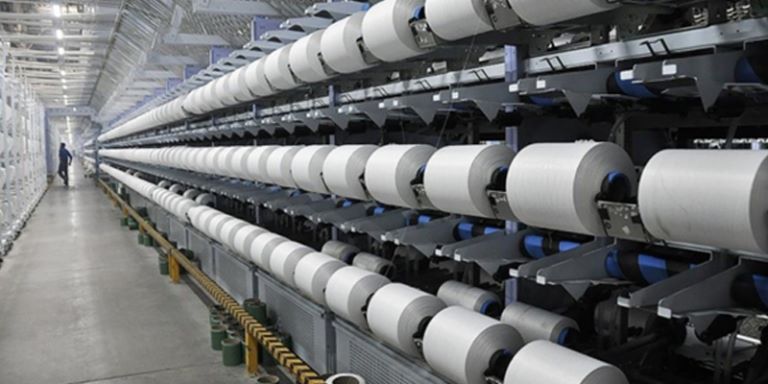
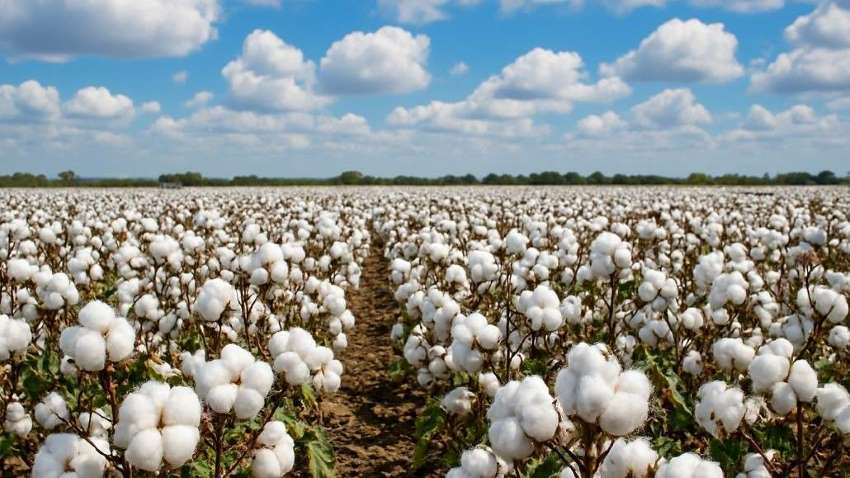
Cotton is one of Tanzania's key crops. Around 99 per cent of the country’s cotton is grown in the western region. Around two million of the country’s 42 million people depend on it for their livelihood. It provides around 13 per cent of the country’s foreign exchange – second only to coffee in agricultural exports.
Poverty level among cotton farmers is high despite the crop being expected to improve their livelihoods, The deficiencies of the cotton industry are bound up with the poverty of the farmers. With no savings, and paltry and uncertain returns, they cannot afford pesticides and fertilisers to improve the quality of their cotton.
The result is that Tanzanian cotton trades at a discount on the international market due to its lower quality. And since the liberalisation of the cotton industry in the 1990s, productivity has fallen sharply, with yields just over a quarter of the world average.
One of the reasons productivity has not improved is that there has not been enough research into high-yield seed varieties. In addition, there has been no system to provide credit to farmers for fertiliser. Without credit, farmers can't afford fertilizer. There are farmers who haven’t even sprayed their crop once.
- 1
- 2
- 3
- 4
- 5
- 6
- 7
- 8
- 9
- 10
The second life economy gets a boost as resale outgrows traditional apparel reta…
For decades, resale existed in the margins of the apparel economy, thrift stores, peer-to-peer marketplaces, and charity bins quietly absorbing... Read more
Rising polyester costs shake India’s textile manufacturing hubs
India’s synthetic textile industry is confronting a sudden and destabilizing price shock that is reverberating across its vast manufacturing ecosystem.... Read more
Cotton markets hold firm as tariffs, higher supply reshape global fiber economic…
In a year marked by tariff escalations, geopolitical brinkmanship and a recalibration of global trade flows, the international cotton market... Read more
Beyond Cotton How Kapok could redefine sustainable insulation in textiles
In the lush, humid heart of Southeast Asian rainforests stands a giant, a silent sentinel of the forest canopy. Growing... Read more
Bharat Tex 2026: Redefining the global textile value chain
Union Minister of Textiles, Giriraj Singh, has officially unveiled Bharat Tex 2026, signaling a significant leap in India’s influence over... Read more
Intertextile Shanghai Spring 2026: A hub for global textile innovation
The textile industry’s pulse is quickening as Intertextile Shanghai Apparel Fabrics – Spring Edition prepares to open its doors from... Read more
Moscow Fashion Week 2026: Blending sustainable innovation with timeless glamour
Scheduled to run from March 14-19, 2026 in Moscow, Russia, the Moscow Fashion Week (MFW) is cementing its status as... Read more
The Store as Stage: How fashion is crafting immersive consumer worlds
The North American fashion retail sector in 2026 is shedding its product-first identity and shifting towards a model that values... Read more
Turning the supply chain upside down, on-demand production reshapes apparel
The global fashion industry, long celebrated for its creativity and scale, is facing a structural reckoning. For decades, retailers and... Read more
Intertex Milano 2026 - A global nexus for textile innovation
Intertex Milano is set to return this summer, confirming its status as a premier international destination for the textile and... Read more