Automation and AI have become integral parts of nearly every industry, including fashion. But when it comes to the apparel supply chain, clunky, haphazard processes and communication issues between suppliers, factories and brands still hold the sector back from truly entering the new era.
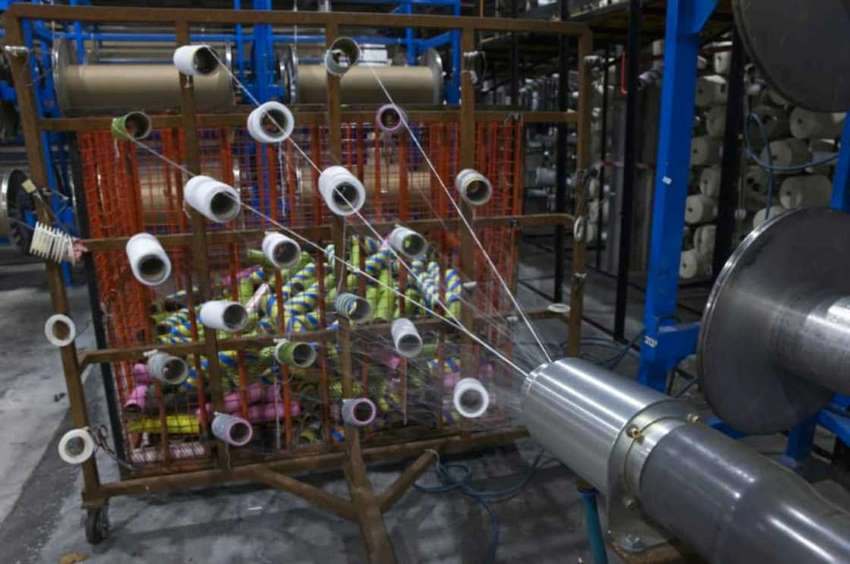
Technology streamlines operations and marketing to make them quicker, more efficient and more quality-conscious. While brands and retailers have started to react to the new solutions available to them, they’re not doing so consistently throughout their supply chains. Most apparel companies operate at 50 per cent to 60 per cent efficiency. Factory owners and operators need to empower workers to think rather than simply operate. The goal is to give factory workers the tech tools they need to spot problems quickly, and rectify them systematically. Eliminating waste means more profits. Training artisans with digital education can lead to a zero defect product.
While some companies have figured out how to put certain technology into stores, or how to gather data from e-commerce sales, most don’t know what to do with all that data once they have it. And some are innovating in the area of technology so they can keep up with competitors. They can’t take the necessary steps toward incremental improvement.
- 1
- 2
- 3
- 4
- 5
- 6
- 7
- 8
- 9
- 10
Global cotton enters a deficit year in 2026 as supply drop meets logistics risk
The global cotton economy has entered a fragile and sensitive phase. Early projections for the 2026-27 season suggest that world... Read more
India’s textile trade gets a Pacific push as New Zealand FTA removes tariff barr…
India and New Zealand have inked a ‘once-in-a-generation’ Free Trade Agreement (FTA), one that will have a profound impact on... Read more
Lululemon’s world-first nylon circularity push signals a new apparel arms race
The global apparel industry’s circularity narrative is entering a more technically demanding phase. Polyester recycling once the flagship of sustainable... Read more
Beyond the DTC Rush: Levi’s hybrid channel strategy sets a new retail benchmark
The global apparel sector is entering a phase where channel strategy is no longer a tactical lever but a core... Read more
The New Rules of Resale: EPR turning secondhand into fashion’s strategic growth …
The global fashion industry is facing a decisive regulatory and commercial reset. What began as a sustainability narrative around reuse... Read more
The 2027 Mandate: Why denim’s future hinges on verifiable data
For decades, the global denim industry has relied on a narrative of durability, heritage, and authenticity. That narrative is now... Read more
Europe’s textile core unravels as costs, imports and policy pressure bite
Europe’s textile and apparel sector, long seen as a benchmark for craftsmanship and industrial depth, is slipping into a prolonged... Read more
Automation, innovation, regulation are the forces shaping textiles in 2026
The global textile sector has entered a new era. Early 2026 saw the industry breach a $1.06 trillion valuation, reflecting... Read more
The new Brussels rulebook, every EU apparel order is now a balance-sheet risk
The humble export order sheet is undergoing a transformation. What was once a straightforward commercial instrument: SKU, volume, FOB price,... Read more
Why 2026-27 could be a defining cotton year for India’s farm-to-fashion economy
The global cotton economy is entering a more constrained phase, and for India, the implications run far beyond the farm... Read more