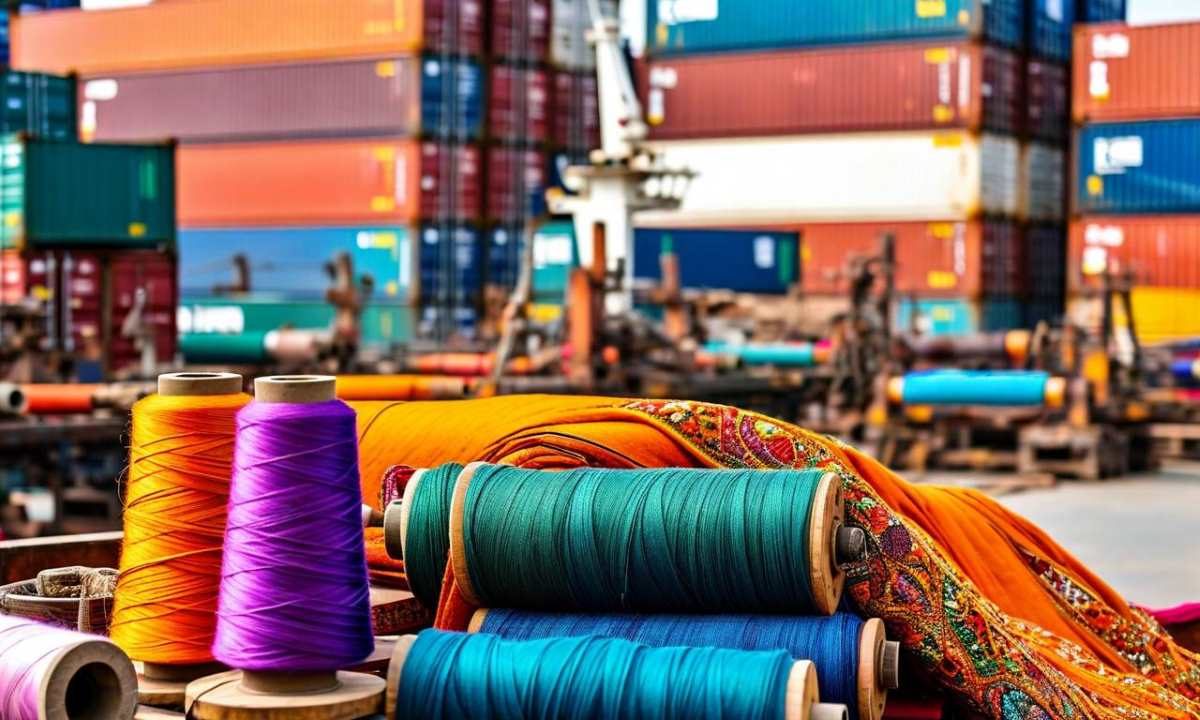
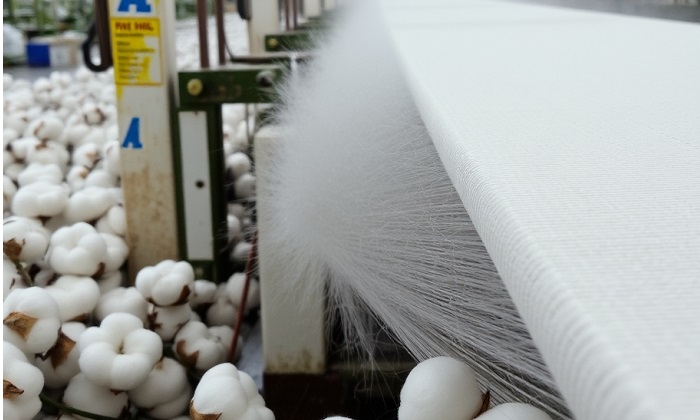
India has secured the top position in the 2026 Global Textile Sourcing Risk Index (GTSRI), marking a definitive shift in the international apparel supply chain. While China retains a significant volume share, the latest index reveals, India has achieved the largest performance gain among all major economies, climbing 3.8 points. This ascent is attributed to India's unique standing as the only top-tier economy that offers a seamless, integrated supply chain - spanning from raw cotton cultivation to finished garment production - complemented by robust manufacturing investments under the Production Linked Incentive (PLI) scheme.
Diversification and regulatory agility
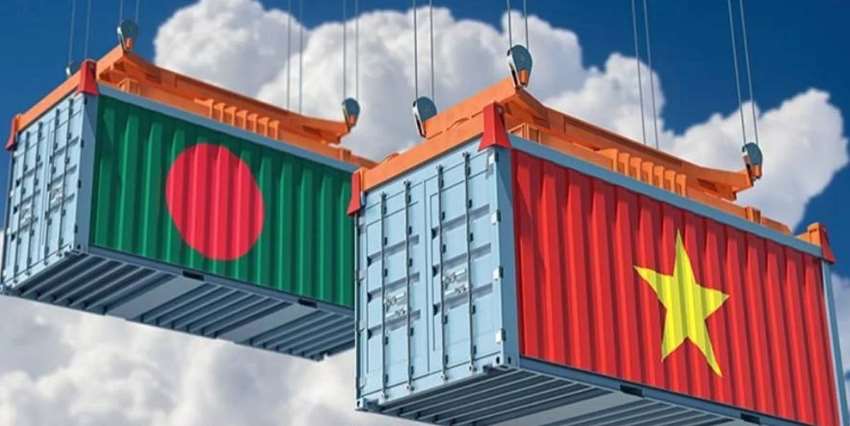
The global sourcing landscape is currently undergoing its most rapid reconfiguration in a decade, driven by increased scrutiny of labor practices and the impact of tiered trade tariffs. As global brands move to de-risk their portfolios, India’s strategic focus on Free Trade Agreements (FTAs) and digital trade facilitation has made it a preferred alternative to traditional hubs. Industry analysis indicates that while competitors like Vietnam have faced recent setbacks in the index, India’s expansion gets a boost from enhanced logistics resilience and consistent policy support. The current trade reset has compressed the lead held by incumbent manufacturers, and India has successfully leveraged this to cement its status as a foundational partner for global retail, notes a market analyst. By aligning domestic production capabilities with international compliance and sustainability mandates, Indian exporters are effectively capturing a greater share of high-growth markets in the European Union and beyond.
Maintaining an end-to-end textile value chain
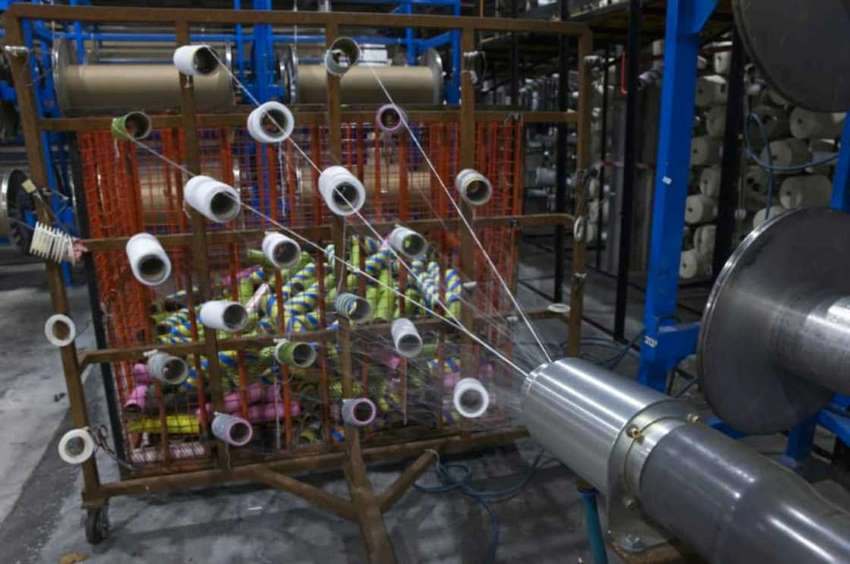
India maintains an end-to-end textile value chain covering natural fibers, man-made yarns, and technical textiles. Supported by initiatives like the RoSCTL and PLI schemes, the sector is targeting a US$ 350 billion export capacity by 2030, balancing large-scale manufacturing with increasing global demand for ethical and traceable apparel production.