From shifts in shopping habits to evolving technology affecting the production and manufacturing processes, supply chains are being transformed across the world. But often this is at the expense of labor standards. Fashion’s business models are heaping immense pressure on labor standards across the industry’s vast supply chains. Business models are the distinguishing feature of certain brands such as Zara or Uniqlo, says Ethical Trading Initiative.
Fast fashion is an industry based on high volumes and low prices. Most companies rely on a huge web of suppliers, typically in low wage economies, that are able to bring them the scale and speed required for a social media-driven market. That speed is also the pain point for those suppliers, whose manufacturing offer brings in extremely low margins. When orders increase at speed, sometimes doubling overnight, these manufacturers then put extreme pressure on their workers to do unpaid overtime.
More broadly, the industry’s ethical problems go beyond labor issues. It is becoming increasingly important to consumers that brands they buy are thinking about their environmental output. Consumers are attracted to companies that believe in reducing plastics and improving the environment. Twenty per cent of young people’s fashion decisions in the UK are driven by perceptions of responsible behavior.
- 1
- 2
- 3
- 4
- 5
- 6
- 7
- 8
- 9
- 10
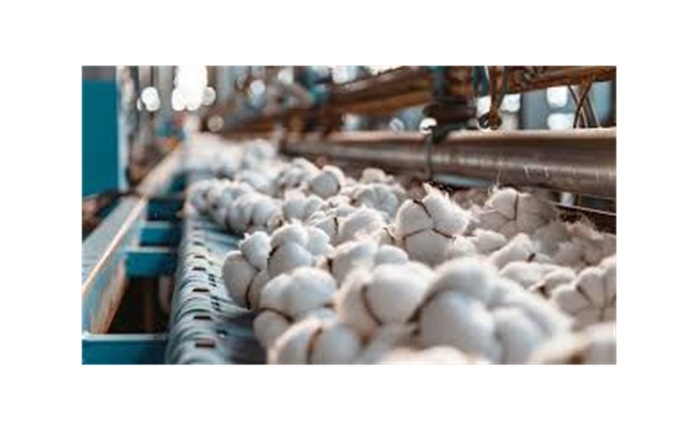
Global cotton enters a deficit year in 2026 as supply drop meets logistics risk
The global cotton economy has entered a fragile and sensitive phase. Early projections for the 2026-27 season suggest that world... Read more
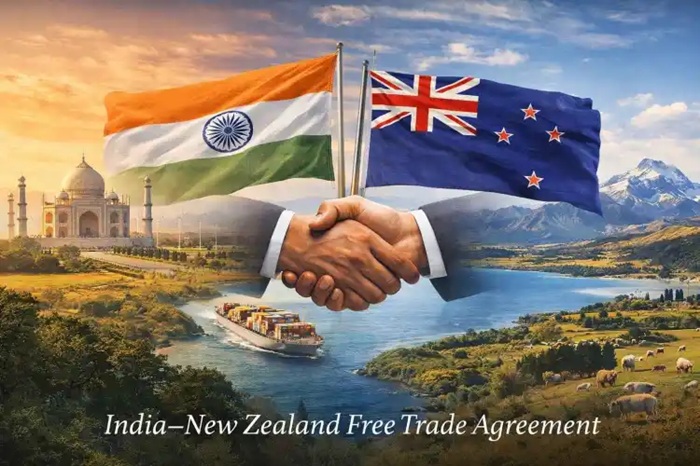
India’s textile trade gets a Pacific push as New Zealand FTA removes tariff barr…
India and New Zealand have inked a ‘once-in-a-generation’ Free Trade Agreement (FTA), one that will have a profound impact on... Read more
Lululemon’s world-first nylon circularity push signals a new apparel arms race
The global apparel industry’s circularity narrative is entering a more technically demanding phase. Polyester recycling once the flagship of sustainable... Read more
Beyond the DTC Rush: Levi’s hybrid channel strategy sets a new retail benchmark
The global apparel sector is entering a phase where channel strategy is no longer a tactical lever but a core... Read more
The New Rules of Resale: EPR turning secondhand into fashion’s strategic growth …
The global fashion industry is facing a decisive regulatory and commercial reset. What began as a sustainability narrative around reuse... Read more
The 2027 Mandate: Why denim’s future hinges on verifiable data
For decades, the global denim industry has relied on a narrative of durability, heritage, and authenticity. That narrative is now... Read more
Europe’s textile core unravels as costs, imports and policy pressure bite
Europe’s textile and apparel sector, long seen as a benchmark for craftsmanship and industrial depth, is slipping into a prolonged... Read more
Automation, innovation, regulation are the forces shaping textiles in 2026
The global textile sector has entered a new era. Early 2026 saw the industry breach a $1.06 trillion valuation, reflecting... Read more
The new Brussels rulebook, every EU apparel order is now a balance-sheet risk
The humble export order sheet is undergoing a transformation. What was once a straightforward commercial instrument: SKU, volume, FOB price,... Read more
Why 2026-27 could be a defining cotton year for India’s farm-to-fashion economy
The global cotton economy is entering a more constrained phase, and for India, the implications run far beyond the farm... Read more