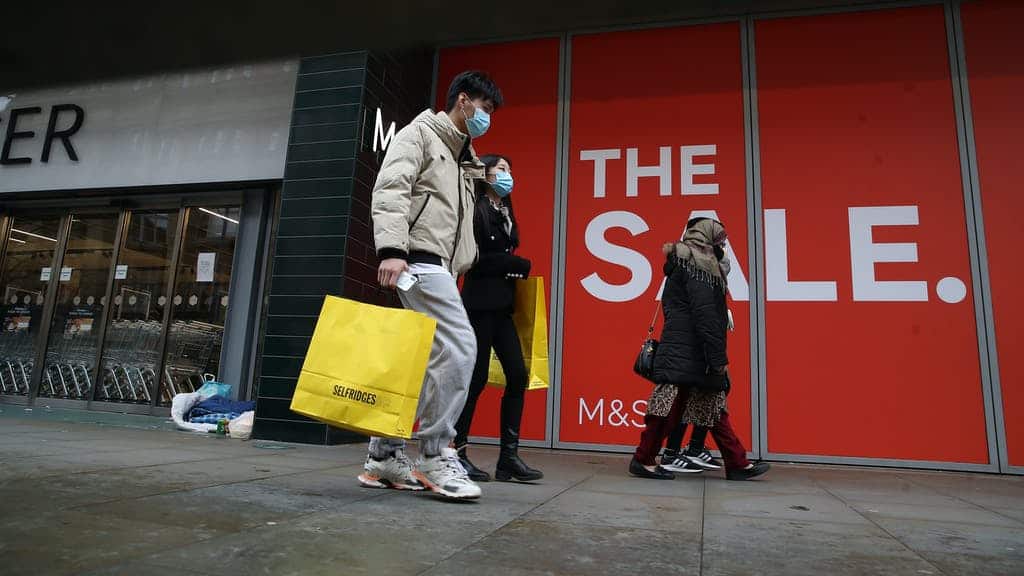
A survey in the UK has found most consumers aged 18 to 35 purchase garments they never wear. This highlights the growing issue of mass waste in the fashion industry due to the new generation’s insatiable appetite for the latest trends.
More alarming, consumers also say they have no interest in quality, long lasting clothing and instead prefer to buy cheaper clothes that only last one season. Twelve per cent consumers confirm they choose to throw clothes away rather than recycling them, with only 60 per cent of those who do recycle saying they buy second clothes – highlighting a peculiar gap in the buying and disposal habits of fashion customers.
In general consumers like the idea of wearing sustainable clothing but would not pay more than a certain amount for a sustainable garment. Recycling is not only good for the consumer who can purchase clothes more affordably but also massively reduces the environmental impact of clothes and lessens the personal fashion footprint.
Fashion waste is on a whole new level and it’s down to the consumer to do something about this. With the new tech generation there are so many more ways to recycle clothes, not just through charity shops but also through second hand selling apps.
- 1
- 2
- 3
- 4
- 5
- 6
- 7
- 8
- 9
- 10
Polyester volatility redraws India’s textile industry competitive map across Asi…
India’s synthetic textile industry has entered a phase of cost instability as polyester staple fibre (PSF) prices rise across domestic... Read more
The £7 Billion Question: Who pays for fashion’s ‘free rental’ habit?
The global fashion industry is facing an uncomfortable paradox: its most valuable customers may also be its most destructive. A... Read more
India, China Bangladesh face fresh headwinds as global apparel markets rebalance
Global apparel trade is entering a more uneven recovery phase, with demand growth persisting but losing uniform momentum across major... Read more
Global cotton enters a deficit year in 2026 as supply drop meets logistics risk
The global cotton economy has entered a fragile and sensitive phase. Early projections for the 2026-27 season suggest that world... Read more
India’s textile trade gets a Pacific push as New Zealand FTA removes tariff barr…
India and New Zealand have inked a ‘once-in-a-generation’ Free Trade Agreement (FTA), one that will have a profound impact on... Read more
Lululemon’s world-first nylon circularity push signals a new apparel arms race
The global apparel industry’s circularity narrative is entering a more technically demanding phase. Polyester recycling once the flagship of sustainable... Read more
Beyond the DTC Rush: Levi’s hybrid channel strategy sets a new retail benchmark
The global apparel sector is entering a phase where channel strategy is no longer a tactical lever but a core... Read more
The New Rules of Resale: EPR turning secondhand into fashion’s strategic growth …
The global fashion industry is facing a decisive regulatory and commercial reset. What began as a sustainability narrative around reuse... Read more
The 2027 Mandate: Why denim’s future hinges on verifiable data
For decades, the global denim industry has relied on a narrative of durability, heritage, and authenticity. That narrative is now... Read more
Europe’s textile core unravels as costs, imports and policy pressure bite
Europe’s textile and apparel sector, long seen as a benchmark for craftsmanship and industrial depth, is slipping into a prolonged... Read more