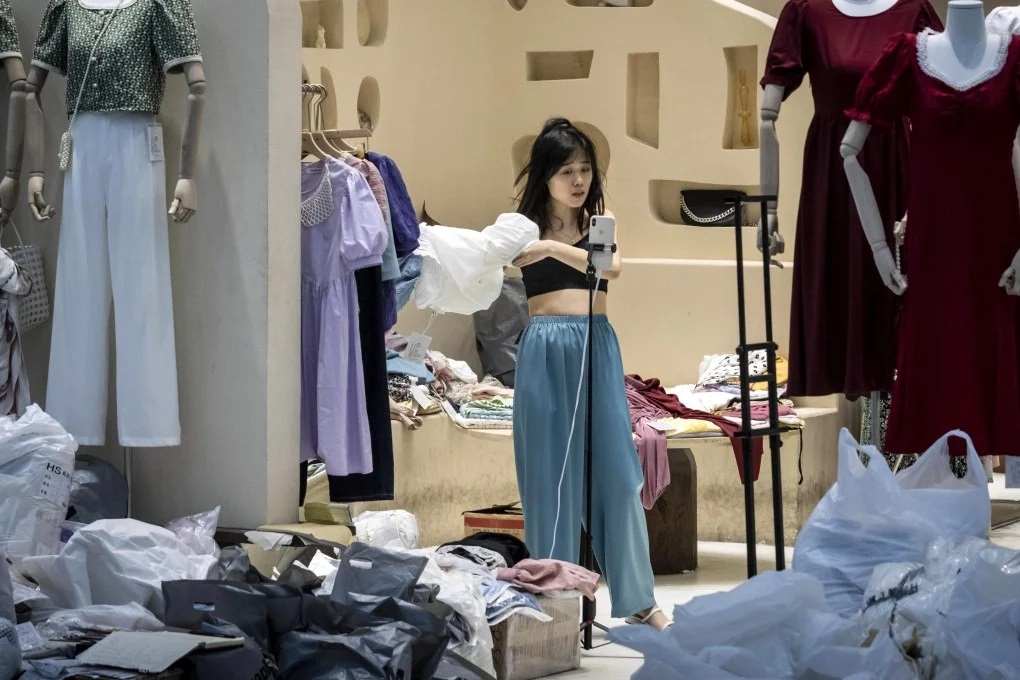
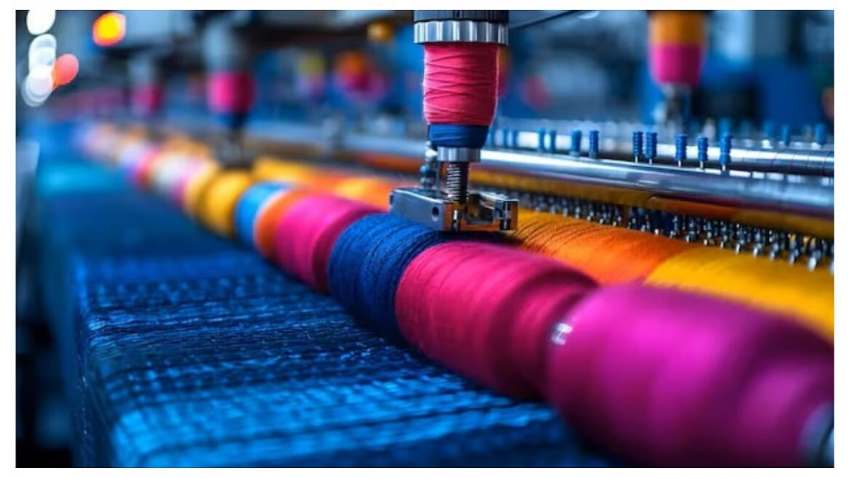
Sri Lanka’s loss of GSP+ to the EU could prove to be highly damaging as it is the single largest market for the country’s garment exports, says Felix Fernando, CEO, Alpha Apparels. In 2021, the EU accounted for $2.2 billion or nearly half of the sector’s total export earnings. The industry employs 350,000 workers in Sri Lanka, with female representation in the industry being more than double the national average The loss of GSP+ facility would stall the vast improvements made in female economic empowerment and overall human capital, adds Fernando.
Unavailability of GSP+ is also likely to affect SMEs and family-owned businesses in the country, opines Fernando. The pandemic has led to global re-orientation of supply chains which Sri Lanka’s apparel sector is well-positioned to capitalize on. However, this requires easy access to exports markets, through trade arrangements such as GSP+. Export earnings, which generate foreign exchange, are also vital for Sri Lanka’s economic stability as well as to meet the country’s foreign debt obligations, adds Fernando.
According to the World Bank’s estimates, Sri Lanka’s poverty rate rose from 9.2 per cent in 2019 to 11.7 per cent in 2020 The country’s poor were disproportionately negatively affected. Adding to the woes cost of living has soared in recent times. Inflation was at a 12-year high in December 2021, with food prices surging to levels that have led to fears regarding increase in malnutrition and hunger.