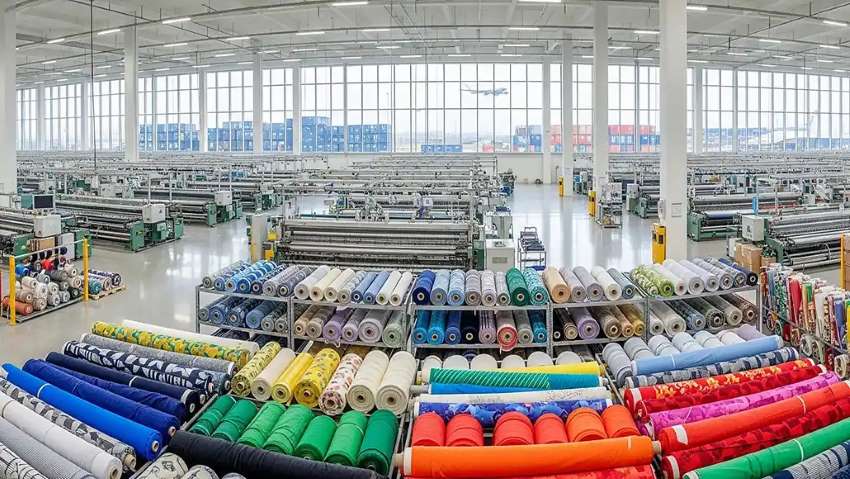
The Indian textile industry, primarily reliant on cotton, faces persistent hurdles due to fluctuating cotton prices and an 11% import duty on cotton, despite ample domestic cotton availability. Cotton textile exports, including ready-made garments, dropped by 23% in 2022-23 and 18% in April-June 2023. Cotton yarn exports plummeted by 50%, causing production halts and 30% job losses. To address this, Union Minister of Textiles, Piyush Goyal, established a Textile Advisory Group and introduced measures to stabilize prices and enhance global competitiveness.
Initiatives to address challenges
Export benefits like RoTDEP, reformed cotton contract terms, and a joint effort by Agriculture and Textiles Ministries to boost cotton production are in motion. Nevertheless, the 11% import duty fosters panic by influencing domestic pricing and trade. The Committee on Cotton Production and Consumption (COCPC), led by the Textile Commissioner, shapes cotton price trends, affecting the entire cotton textile value chain.
Industry appeals for stability
Chairman of The Southern India Mills’ Association (SIMA), Ravi Sam, calls upon the Cotton Association of India (CAI) to align with COCPC estimates. He challenges CAI's cotton crop, arrival, and stock estimates for 2022-23. Despite a 15-20% drop in domestic cotton prices, textile exports grew to $1,623 million in Q1 FY23-24. Yet, the recent 12% price hike could jeopardize export commitments.
Conflicting estimates impact market
Underestimating crop size pushed cotton prices up by Rs. 3,000/- per candy in days. While the Cotton Corporation of India recorded 318 lakh bales for 2022-23, CAI projected 311.18 lakh bales. Ravi Sam suggests CAI might misconstrue ginning production as the crop size. He champions COCPC estimates, stating opening stock, crop size, consumption, export, and closing stock figures.
Import duty removal and global competitiveness
To stabilize prices and boost competitiveness, Ravi Sam advocates scrapping the 11% import duty. Despite a comfortable global cotton supply, a 10-12% price hike won't significantly enhance exports. Mills are advised to be cautious as the new season's cotton enters the Northern Region market.