In a move to support a full-fledged garment industry by harnessing technology and improving its citizens’ skill Rwandan government is up to set up tailoring institute. Rwanda government is planning to set up a tailoring institute to harness technology and improve skills of its garment industry.
As Francois Kanimba, Minister of Trade and Industry points out the institute will help transfer technology with regards clothes made in Rwanda and clothes that Rwandans are willing to put on. The idea is to reduce dependency on imported clothes, both new and second hand. While extending help, the Minister asked tailors in which specific areas they needed training, saying that the government is working with the Workforce Development Agency (WDA) to train over 300 Rwandans. He said the government is ready to support tailors in their efforts to start up a clothes making factory.
He said cutting down second hand clothes is in line with the government’s decision as well as East African Community countries to ensure health, self-dignity as well as reduce unemployment among local youth. The project is being undertaken along with the Association of Professional Tailors’ Rwanda.
The clothes making factory is scheduled to be established in Kigali with hope to go to other provinces of the country, hence create five clothing factories across the country. Rwanda government is currently in talks with investors that may wish to invest in the project. The investors will most probably come from China which ranks first worldwide as the top garment maker. The initial investment would include the buying 670 machines to produce different types of garments.
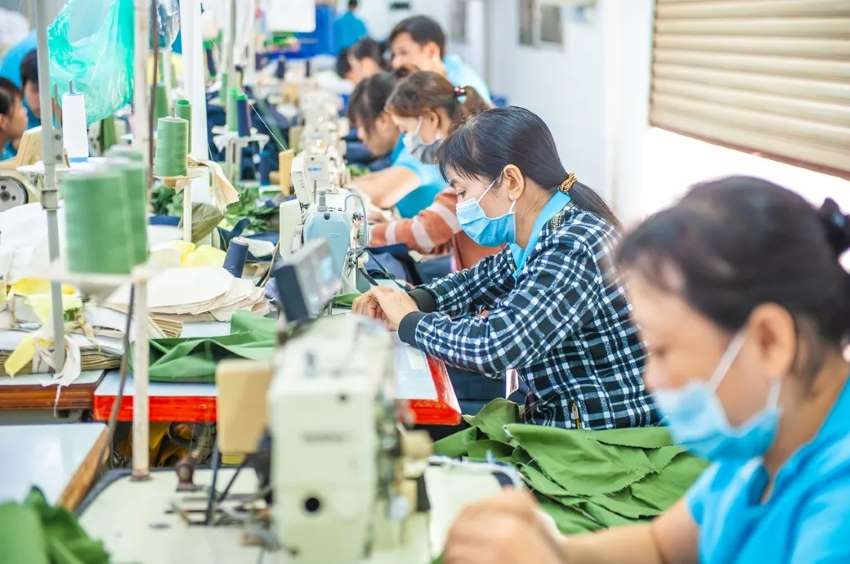
Rwanda has two textile companies in Kigali, including the Chinese-run C&H Garments whose products are exported. C&H Garments has invested in computerized sewing machines and will train up to 400 local workers.
During 2015, the value of imported wear products (shoes and clothes) into the country was $100 million of which $80 million (approximately Rwf60 billion) was spent on clothes (both new and second hand). Over $15 million dollars was spent on second hand clothes. A recent study carried out by the Ministry of Trade and Industry revealed that tailoring offers the best opportunity for increasing more locally made products. This initiative is aimed at Rwanda’s economic development but most specifically to create jobs for Rwandans. Success of the project will spell a drastic cut in the imports of clothes from countries like Kenya, China, and Dubai among others. Rwandan government’s target is to create over 200,000 off-farm jobs year on year.
Monday, 18 January 2016 14:41