 The use of sustainable cotton in Hong Kong is not prevalent in Hong Kong, shows a new report from the World Wildlife Fund (WWF). The report states, eight out of 10 fashion labels in Hong Kong either completely fail or provide only a limited range of sustainable cotton clothing. The survey is based on a study of 39 local and global brands’ ESG reports, online stores, surveys as well as on-site visits to 140 stores across Hong Kong from 2019 to 2020, informs As Green Queen report,
Limited use of sustainable cotton among brands
The WWF report shows, only six of all the surveyed brands committed to use sustainable cotton and sell their clothes at designated areas in stores. These are: H&M Baby, M&S, M&S Baby, Muji, Tommy Hilfiger, and Tommy Jeans. Only 13 brands sold clothes made from 100 per cent sustainable cotton in their stores though all of them had committed to this transition, the report highlights
This limits the availability of apparel made from sustainable cotton in the market, opines Christine Cheng, Sustainability Project Officer, WWF-Hong Kong. Only international brands are known to use sustainable cotton, while local brands do not yet prioritize on sustainable materials, she adds. Brands also fail to offer required information to shoppers to enable them towards conscious shopping choices.
Need for more investments in cotton recycling infrastructure
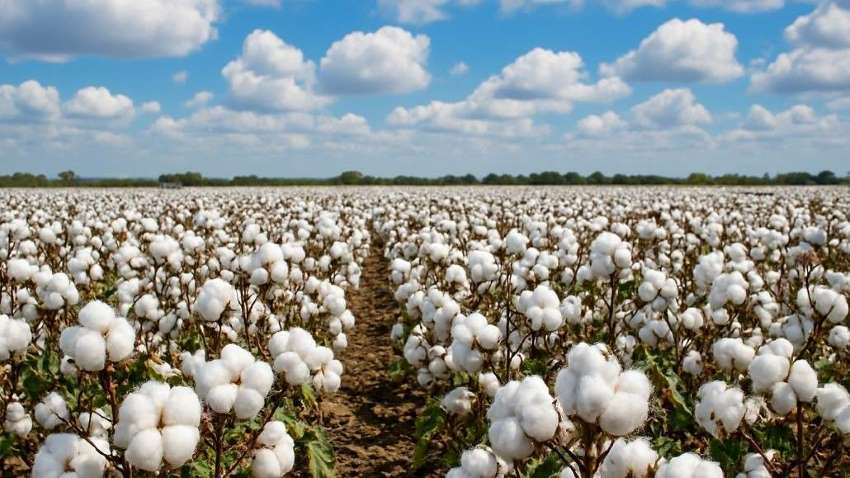
The WWF-Hong Kong report studies the material’s impact on the planet. One of the most widely used materials, cotton requires huge amounts of water for cultivation and causes intensive soil-degrading and emissions.Hence, it is necessary for a shift to more sustainably produced cotton, such as Better Cotton Initiative (BCI), organic cotton, recycled cotton, and Fairtrade cotton, says the report. The Hong Kong fashion market lacks the required cotton recycling infrastructure to facilitate this transition, adds Karen Ho, Head - Corporate and Community Sustainability, WWF-Hong Kong.
However, they can develop into a major cotton recycling center if it invests more resources in post-consumer waste collection, material clearing and recycling of cotton fibers, he adds. Hong Kong consumers need to boost consumption of sustainable cotton in the country, believes Ho. They need to make sustainable fashion choices by buying more secondhand clothes, swapping garments or recycling their clothes.