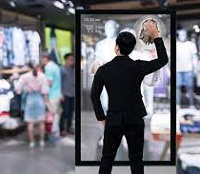
 Physical retail went through a huge transformation last year due to the pandemic. As per Euromonitor International estimate, the world lost around 135 million sq mt of selling space as 1.7 million retailers closed stores. The analyst expects in-store shopping to further reduce to 76 per cent by 2025 from 81 per cent in 2020.
Change in store sizes and locations
Around 5 per cent of non-grocery retail stores in Western Europe and North America closed permanently last year. Global retailer Inditex plans to close 1,200 stores globally by 2022 to focus on larger flagship outlets while Coffee giant Starbucks aims to shut around 800 stores in dense metro centres.
High street retailers are also changing their store locations and formats. UK-based retailer Harrods is moving into the surburbs by launching its f H Beauty outlet at Intu Lakeside in Essex. The retailer plans to launch another store at Intu in Milton Keynes.
Emergence of new store concepts
Retailers are also experimenting with new store formats like pop-ups, store-within-a-store and mobile or ‘shop-on-wheels.’ Jewellery brand Swarovski opened 28 temporary Instant Wonder stores in 2021. The first of these instant Wonder pop-ups was launched in Milan in February 2021. It provided consumers with a more premium multi-sensory shopping experience.
Popups like these are likely to gain more popularity as they help retailers create brand-focused and experience-led spaces besides allowing them to sign more flexible, short-term lease agreements. An innovative store concept set to officially launch in Spring 2021, Grocery Neighbor is designed in the form of a truck with two doors, The concept enables retailers to create a mobile grocery stores for consumers.
According to an Euromonitor International survey, the store concept benefits consumers working from home post pandemic, and older consumers’ hesitating to return to supermarkets or convenience stores .Grocery Neighbor aims to expand the store concept to 1,000 trucks outside Toronto within the next five years.
Re-examining retail strategies
Retailers are also converting stores into warehouses or micro fulfillment centres. Spanish retailer El Corte Ingles has converted a Bricor DIY store into warehouse to fulfill online food orders in just 10 days. Such local micro-fulfilment centres are likely to gain more popularity with Walmart planning to roll out local fulfilment centres at dozens of stores in the US in 2021.
Moving forward, retailers will need to re-examine the size, location and role of their stores. They would have to redesign these stores to play multiple roles as fulfillment centres and engagement areas. They would also have to adopt an omnichannel strategy to tap consumers from smaller cities.