Pakistan is now pursuing an export-led growth strategy. The assumption is that this is the only sustainable solution to overcome the trade deficit in the shortest possible time. The current account deficit is expected to be seven billion dollars at the end of the current fiscal year, down from $17 billion last year. This will be made possible by remittances worth $22 billion. For March 2019, exports are $17.1 billion and imports are $40.7 billion. The country is looking to bring down current account deficit to zero within two years if monetary policy remains tight and exports are encouraged through new investments.
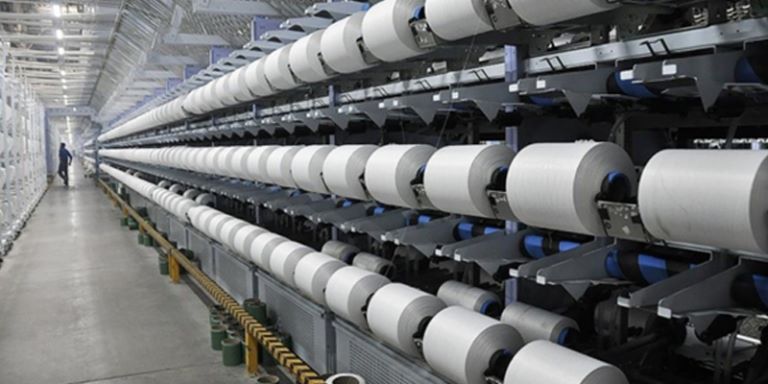
A long term textile policy is being finalized by leading textile exporters, representing the entire value chain. The current account deficit has been a source of concern for the whole industry due to its negative impact on the growth of the economy as well as the industry. Provision of enablers for the restoration of competitiveness through timely interventions by the government has started bearing fruit. Pakistan’s textile exports are likely to cross $14 billion by the end of the current fiscal year. Leading business groups are upbeat other investors are ready to undertake new investment initiatives in greenfield and expansion projects in the textile value chain.

- 1
- 2
- 3
- 4
- 5
- 6
- 7
- 8
- 9
- 10
A Quest for Essence: Unveiling the 2027 A/W Trends at Intertextile Shanghai Appa…
As the global textile industry looks toward the upcoming season, the Intertextile Shanghai Apparel Fabrics – Autumn Edition stands ready... Read more
Beyond globalization, local consumer behavior rewriting fashion retail strategy
The traditional blueprint for global fashion expansion is being rewritten. For decades, apparel companies assumed globalization would gradually create a... Read more
Virtual wardrobes redraw retail boundaries as gaming platforms become fashion ec…
The boundary between physical clothing and digital apparel is rapidly eroding as gaming environments evolve into fully functioning consumer markets.... Read more
From Estimates to Audits: Virgin PET data disrupts global synthetic fiber econom…
The global textile industry is recalibrating how environmental impact is measured, priced, and regulated. While polyester continues to dominate global... Read more
Retail’s new growth map in China, rise of premium wealth, senior spending
For decades, global fashion and retail companies built their China strategies around the rapid expansion of an aspirational middle class... Read more
Post-peak correction global cotton markets adjust amid shifting fundamentals
Following a period of aggressive increase, global cotton benchmarks have entered a cooling phase. The bullish momentum that propelled prices... Read more
From Runway Blueprint to Retail Rack: How Milano’s ‘Ready to Show’ shapes global…
As the fashion elite prepare their calendars for the Spring/Summer 2027 runway shows, an equally vital, multi-billion-dollar machinery is quietly... Read more
Natural fibers gain ground as microplastic awareness alters apparel demand
The global apparel industry is entering a new phase of disruption as consumer concern over microplastic pollution begins to materially... Read more
Global cotton output declines, raising stakes for spinners and fabric makers
A simultaneous drop across the global natural fiber sector is reshuffle-mapping trading dynamics for international textile mills, yarn spinners, and... Read more
Apparel’s inflation premium in the US signals a tough road for retailers
The latest inflation data from the U.S. Bureau of Labor Statistics has conveyed an important warning for the fashion and... Read more