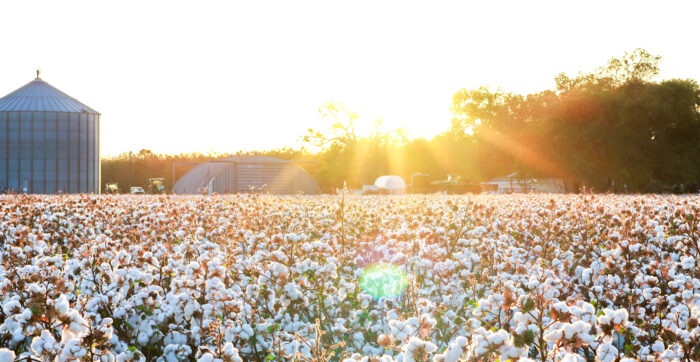
Pakistan's textile exports are poised for a substantial boost, with the Chairperson of the National Tariff Commission, Rubina Ather, forecasting a potential $5 billion increase in the next fiscal year. This positive outlook stems from a continuous reduction in tax duties on raw materials, a strategy the government has employed over the past two years.
Ather highlighted the government's proactive measures, such as reducing over 2,000 tariff lines to zero, as well as lowering tax duties on all raw materials. These initiatives are geared towards achieving an ambitious target of $4-5 billion in textile exports for the upcoming year.
In a recent meeting of the Standing Committee on Finance, Revenue, and Economic Affairs, officials from the Federal Board of Revenue (FBR) shared additional measures to support various sectors. Notably, the government plans to eliminate taxes on point-of-sale machines, facilitating duty-free imports for large retail stores. Furthermore, there's an exemption on additional customs duties for vehicles below 850 cc, and the import duty on auto kits has been halved from 30% to 15%, aimed at promoting the local auto sector.
Chemical tariff lines are also receiving attention, with a 5 per cent reduction in duties on 240 lines, and the steel industry is benefiting from reduced duties as well. Saddia Abbasi, Chairperson of the National Tariff Commission, disclosed that duties on steel have been lowered from 20 to 16 per cent, and from 16 to 11 per cent, demonstrating the government's commitment to providing relief and support to key industries.