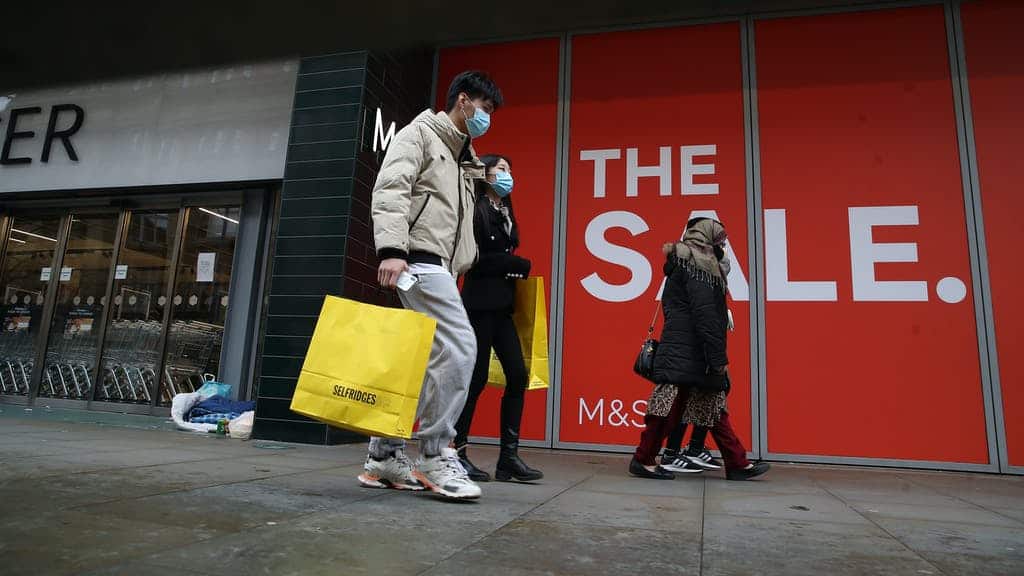
The problem of Organized Retail Crime (ORC) of professional shoplifting and other thefts has been plaguing global retail sector for a long time, with thieves on the lookout for easy money. In fact, to curb this phenomenon, many offline retailers are putting their valuable items under lock and key behind showcases to ensure the products stay safe and are only taken out for genuine buyers. Many others are using off-duty police officers and plainclothes security although this is turning off shoppers with overreaching measures as it limits browsing.
NRRS highlights a growing problem
ORC is one of the biggest issues facing the global retail industry today with losses amounting to almost $100 billion, say analysts. It usually involves a group of thieves -- and not just shoplifters -- who are part of a wider criminal network, conspiring in a game plan to steal and resell retail merchandise for financial gain, leading to major retail shrinkage and inventory loss. In the US, the National Retail Security Survey (NRSS) of 2022, published by the Washington-based National Retail Federation (NRF) cited nearly $100 billion in losses for general retail industry. It also highlighted how retail theft creates violence in retail environments, creating safety risks for retail workers and customers.
In the US, customers of color who already feel overpoliced, are feeling even more alienated with stepped-up security measures against shoplifting. Mega retail giants such as CVS, Sephora, and Walmart had made changes in the aftermath of George Floyd's murder in 2020 when they promised to avoid racially biased practices like locking up products only for black customers. The ORC issue has got more attention in post-pandemic years, as organized high-profile smash-and-grab retail thefts and flash mob robberies are increasing in a fluctuating economy.
Increasing ORC in the apparel segment
The NRF, one of the world’s largest trade association in a recent security survey of around 60 global retailers found inventory loss -- also known as shrink – was high at an average rate of 1.4 per cent in 2022, adding up to $94.5 billion in losses. The greater shrink proportion of 37 per cent, was from external theft that included stealing a variety of expensive products during well-planned ORC incidents and most retailers saw a 26.5 per cent uptick in organized theft incidents last year.
This report found almost 97 per cent retailers had been ORC victims in the past year and 68 per cent had seen an increase in this activity. Almost two-thirds or 65 per cent retailers said ORC is a higher priority for their companies compared to five years ago, while 56 per cent were allocating additional technology resources to resolve the issue; 44 per cent were forced to increase their loss prevention budgets. In an attempt to fight ORC, 38 per cent had changed or were planning to change return policies and 37 per cent were doing the same with point-of-sale policies as many items are returned after stealing, while 27 per cent are doing strict employee screening cross-checking with the government records and another 24 per cent being strict with trespassing.
Dealing with retail theft
Deloitte’s 2023 retail industry outlook says, over the next decade, consumer socio-demographic shifts will happen at greater speed which will create higher spending needs with changing customer trends and the consumer getting older and obese and yet fashion-conscious, multi-ethnic varieties, more stress on gender-positive and sex-positive clothes and a younger population that is more digitally reliant and less financially secure.
At the same time, retail theft is posing to be a big problem. However, simply locking up high-priced items reduces browsing which can affect sales by around 15 to 25 per cent. And this is not at all conducive in a slow post-Covid market.
However, online shopping can curtail this with customers wanting the best price in the most convenient way possible. Many apparel retailers are now offering services, including same-day delivery and curb side pickup, to guarantee excellent customer experience in the offline mode. As the global economy struggles to find its feet, desperate measures to stop ORC by desperados getting braver every day is the need of the hour in the retail segment.