In its current trade war with the US, China announced it will impose a 25 per cent tariff on American goods valued at $50 billion. China will levy a new 25 per cent tariff on 106 items from the US. A statement from China’s Ministry of Commerce notes, the US measures violated the rules of the World Trade Organisation and seriously violated China’s legitimate rights and interests and threatened the development interests of our country. This is a just act to defend [China’s] legitimate rights and interests and safeguard the multilateral trading system. It is a legitimate measure that conforms to the basic principles of international law.
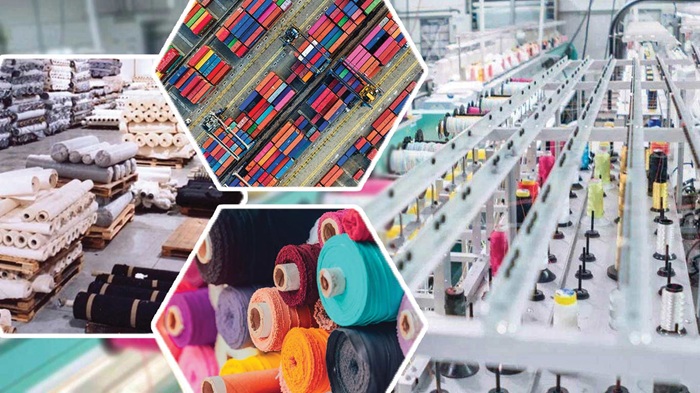
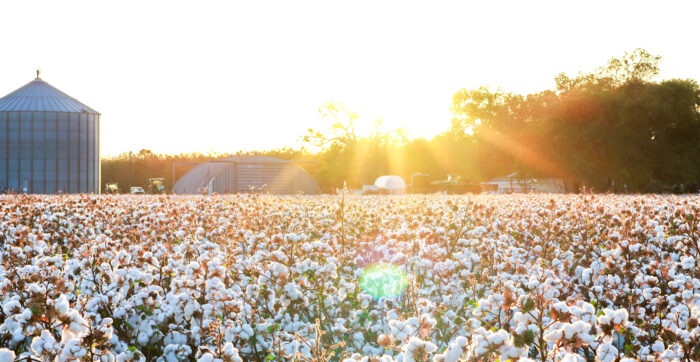
China’s new tariff list targets soybeans, automobiles and chemicals, however, uncombed cotton and cotton linters will see a 25 per cent tariff. Earlier the US released its list of 1,300 goods from China that will face new tariffs as high as 25 per cent. The unfortunate news for the textile sector is that a much of the machinery used in textile manufacturing such as spinning machines, sewing machines and the machines that knit and weave are incorporated in the list.
This move will handicap the US textile manufacturing industry as they will now have to pay more to import such machinery. It is difficult to fathom how Trump’s ‘America First’ goal of bringing jobs back to the US will be achieved by these measures, as US-based companies would face higher costs of doing business and would consequently downsize workforce to make up cost escalation, or eliminate local manufacturing.
- 1
- 2
- 3
- 4
- 5
- 6
- 7
- 8
- 9
- 10
India’s textile trade gets a Pacific push as New Zealand FTA removes tariff barr…
India and New Zealand have inked a ‘once-in-a-generation’ Free Trade Agreement (FTA), one that will have a profound impact on... Read more
Lululemon’s world-first nylon circularity push signals a new apparel arms race
The global apparel industry’s circularity narrative is entering a more technically demanding phase. Polyester recycling once the flagship of sustainable... Read more
Beyond the DTC Rush: Levi’s hybrid channel strategy sets a new retail benchmark
The global apparel sector is entering a phase where channel strategy is no longer a tactical lever but a core... Read more
The New Rules of Resale: EPR turning secondhand into fashion’s strategic growth …
The global fashion industry is facing a decisive regulatory and commercial reset. What began as a sustainability narrative around reuse... Read more
The 2027 Mandate: Why denim’s future hinges on verifiable data
For decades, the global denim industry has relied on a narrative of durability, heritage, and authenticity. That narrative is now... Read more
Europe’s textile core unravels as costs, imports and policy pressure bite
Europe’s textile and apparel sector, long seen as a benchmark for craftsmanship and industrial depth, is slipping into a prolonged... Read more
Automation, innovation, regulation are the forces shaping textiles in 2026
The global textile sector has entered a new era. Early 2026 saw the industry breach a $1.06 trillion valuation, reflecting... Read more
The new Brussels rulebook, every EU apparel order is now a balance-sheet risk
The humble export order sheet is undergoing a transformation. What was once a straightforward commercial instrument: SKU, volume, FOB price,... Read more
Why 2026-27 could be a defining cotton year for India’s farm-to-fashion economy
The global cotton economy is entering a more constrained phase, and for India, the implications run far beyond the farm... Read more
Luxury resale’s next big battle is no longer digital, it is about who controls s…
For nearly a decade, the luxury resale story was written in the language of platforms. Market leadership was measured by... Read more