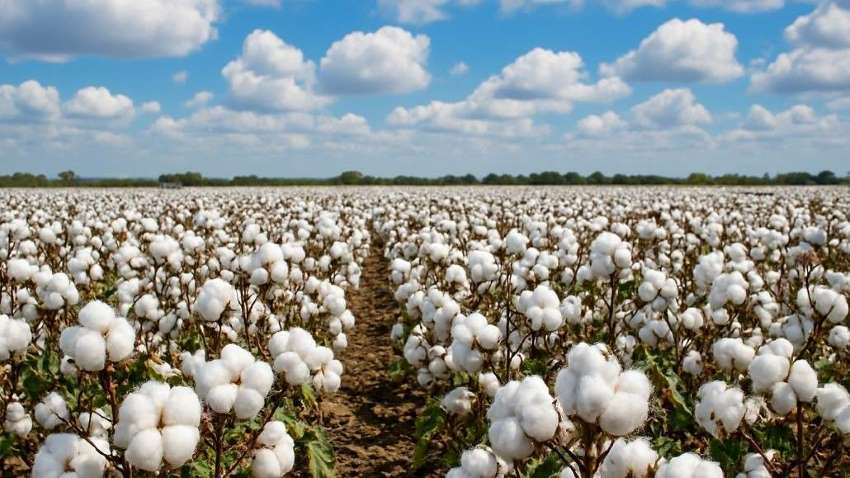
Nigeria is planning textile and garment clusters, which would generate jobs and revive the textile industry in the country. Most of the sophisticated equipment to start the production hubs is being put together in China and Italy.
These will showcase the country’s professionalism in tailoring. Nigeria doesn’t have any tailoring that is mass produced. In Nigeria, textile manufacturing is a key local industry, supported by a chain of suppliers such as cotton growers and natural dye makers. However, traditional methods of dyeing fabrics are threatened by cheap imports from abroad.
Nigerians have a love of naturally dyed fabrics with many prints based on traditional motifs. In northern regions, it is common for cloth to be a single color, such as indigo. Dyers use dye-pits (two or three meters deep). The cloth is left in these for a day or two, before being rinsed and left to dry. Sometimes, indigo cloth is beaten and given an extra coating of indigo powder to give a deeper shade and a glossy shine or sheen. Nigeria's textile industry used to be the third largest in Africa.
Now the country spends about 100 billion naira annually on importing clothing materials. If half of this could be made locally, the drain of foreign exchange could be stopped. Jobs could be created. Buying home made goods can stimulate the domestic economy.
- 1
- 2
- 3
- 4
- 5
- 6
- 7
- 8
- 9
- 10
India’s textile trade gets a Pacific push as New Zealand FTA removes tariff barr…
India and New Zealand have inked a ‘once-in-a-generation’ Free Trade Agreement (FTA), one that will have a profound impact on... Read more
Lululemon’s world-first nylon circularity push signals a new apparel arms race
The global apparel industry’s circularity narrative is entering a more technically demanding phase. Polyester recycling once the flagship of sustainable... Read more
Beyond the DTC Rush: Levi’s hybrid channel strategy sets a new retail benchmark
The global apparel sector is entering a phase where channel strategy is no longer a tactical lever but a core... Read more
The New Rules of Resale: EPR turning secondhand into fashion’s strategic growth …
The global fashion industry is facing a decisive regulatory and commercial reset. What began as a sustainability narrative around reuse... Read more
The 2027 Mandate: Why denim’s future hinges on verifiable data
For decades, the global denim industry has relied on a narrative of durability, heritage, and authenticity. That narrative is now... Read more
Europe’s textile core unravels as costs, imports and policy pressure bite
Europe’s textile and apparel sector, long seen as a benchmark for craftsmanship and industrial depth, is slipping into a prolonged... Read more
Automation, innovation, regulation are the forces shaping textiles in 2026
The global textile sector has entered a new era. Early 2026 saw the industry breach a $1.06 trillion valuation, reflecting... Read more
The new Brussels rulebook, every EU apparel order is now a balance-sheet risk
The humble export order sheet is undergoing a transformation. What was once a straightforward commercial instrument: SKU, volume, FOB price,... Read more
Why 2026-27 could be a defining cotton year for India’s farm-to-fashion economy
The global cotton economy is entering a more constrained phase, and for India, the implications run far beyond the farm... Read more
Luxury resale’s next big battle is no longer digital, it is about who controls s…
For nearly a decade, the luxury resale story was written in the language of platforms. Market leadership was measured by... Read more