A new report, from the Business and Human Rights Resource Centre (BHRCC), portrays an “emerging and widespread pattern of supplier factories appearing to target unionized workers for dismissal.
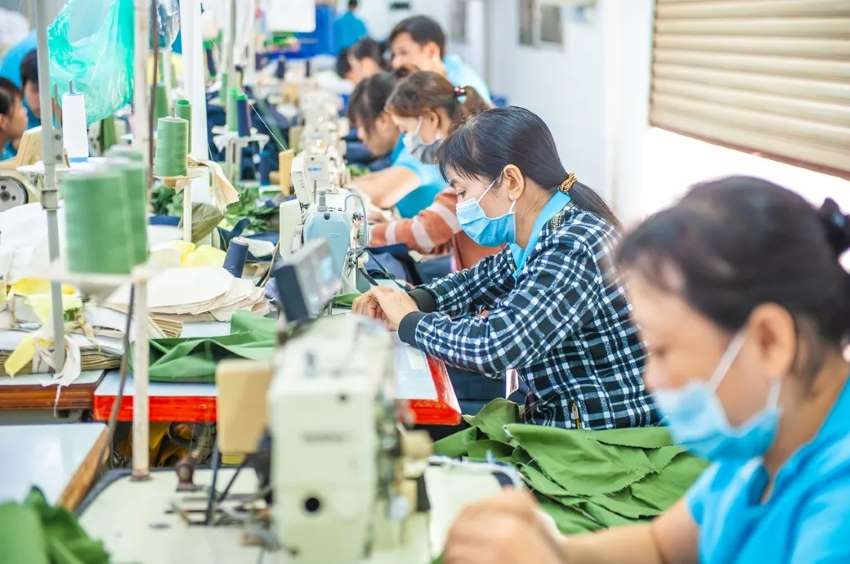
The report highlights nearly 5,000 job losses it argues are linked to union membership at nine factories in Myanmar, Cambodia, Bangladesh and India. Workers say they have been disproportionately targeted due to union membership and organizing.
Among the cases mentioned in the report are a supplier in India making clothes for H&M that sacked 1,200 workers in June citing lack of orders because of Covid-19. Meanwhile, the supplier’s other factories remained open. Workers and unions claim the closed factory was the supplier’s only one with a union, and was targeted for this reason.
As production slowed in the garment sector in Asia as a result of plummeting sales caused by the pandemic, factories began to make thousands of workers redundant across the region.
By early April, in Bangladesh a million garment workers had been sent home without pay or had lost their jobs after western clothing brands cancelled or suspended £2.4bn of existing orders.
The report looks in detail at several ongoing disputes between unionised workers and managers in factories in India, Myanmar, Cambodia, Bangladesh and India. In every case it is alleged that big name brands should have been more active in ensuring workers were not punished or targeted for being union members.