Accelerating Circularity, a new apparel industry collaborative project, announced the launch of its effort to accelerate the textile industry’s move from linear to circular. With figures from the Environmental Protection Agency showing that 15 million tons of textile waste is generated annually in the United States alone, the textile industry must move from a “take, make, waste” system to a circular one, in order to avoid the massive amounts of textile waste put into landfills annually. The Walmart Foundation provided a grant to Textile Exchange’s Accelerating Circularity Project. Gap Inc., Target, and VF Corporation are also funding the project and participating in a working group. The project is initially focused on researching, mapping and identifying opportunities to pilot circular supply chains which will be driven by the mechanical and chemical recycling of cotton, viscose and polyester textile waste. These three fibers cover over 80% of all textile fiber production and are therefore important to focus on in order to reduce textile waste. The Accelerating Circularity founding project partners include Gap Inc., Giotex, Gr3n, Target, VF Corporation, Lenzing, Unifi, Revolve Waste and Fabrikology International, Inc., representing technology providers, fiber manufacturers, and experts in textile waste and supply chains, as well as brands and retailers. “Shifting the apparel industry toward more circular solutions is a complex challenge with significant technical, economic, and business implications. At Gap Inc., we have a responsibility to protect the environment and reduce waste at every stage of our production process – from design, to sourcing, to manufacturing. As we address the full life cycle of our garments, we look forward to working with these partners to collaborate, advance efforts and share learnings with the wider industry for the health of our planet,” said Alice Hartley, Senior Manager of Sustainable Innovation at Gap Inc. and board member of Accelerating Circularity. Accelerating Circularity project partners are ensuring broad stakeholder representation by collaborating with industry organizations on this work including sharing information, amplifying key messages, and the streamlining of efforts.


- 1
- 2
- 3
- 4
- 5
- 6
- 7
- 8
- 9
- 10
UK fashion sourcing shifts south as Bangladesh overtakes China
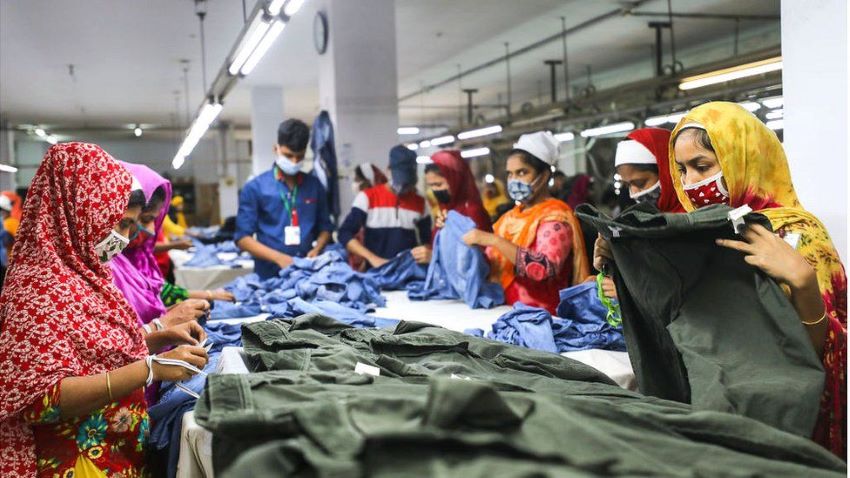
The UK’s apparel sourcing has seen a realignment in recent years, as retailers increasingly diversify production away from traditional East... Read more
Why European consumers are spending more but buying less fashion

For much of the last two decades, the European fashion industry operated under the assumption that rising consumer wealth would... Read more
Why US apparel prices defied inflation while product quality improved

As inflation reshapes nearly every aspect of American household spending, one consumer category continues to stand apart. Housing costs have... Read more
The Resale Revolution: Vinted’s marketplace model reshapes European retail

The French fashion market has reached a turning point. In a development that highlights the growing influence of circular commerce,... Read more
France declares war on ultra-fast fashion with new green law, will reshape globa…

France has become the first major economy to legislate specifically against the ultra-fast fashion business model, a watershed moment for... Read more
France declares war on ultra-fast fashion with new green law, will reshape globa…
France has become the first major economy to legislate specifically against the ultra-fast fashion business model, a watershed moment for... Read more
Click-and-Collect: Why retailers are turning pickup counters into sales machines
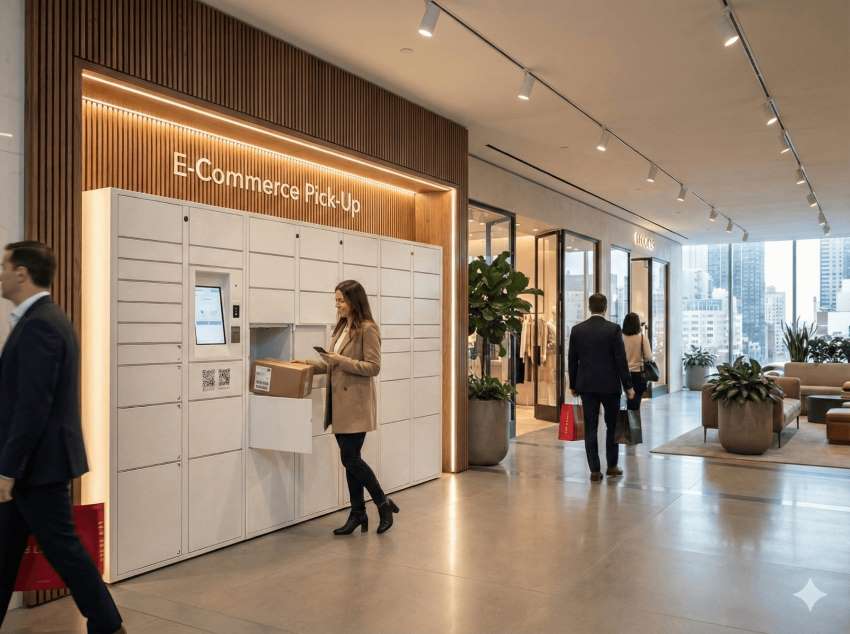
Modern retail has changed the role of the physical store. Once viewed primarily as a point of sale or inventory... Read more
Why fashion e-commerce returns persist despite smarter sizing technology
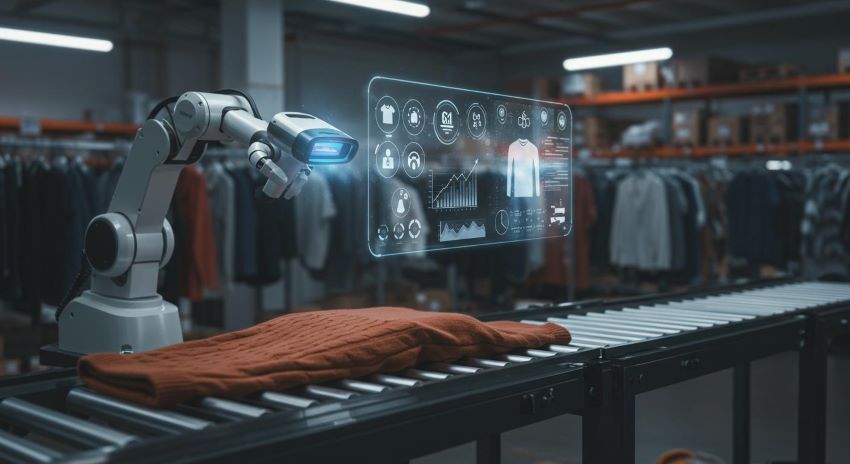
For over a decade, the fashion sector has invested heavily in virtual fitting rooms, AI-powered size recommendations, and 3D body... Read more
A Quest for Essence: Unveiling the 2027 A/W Trends at Intertextile Shanghai Appa…
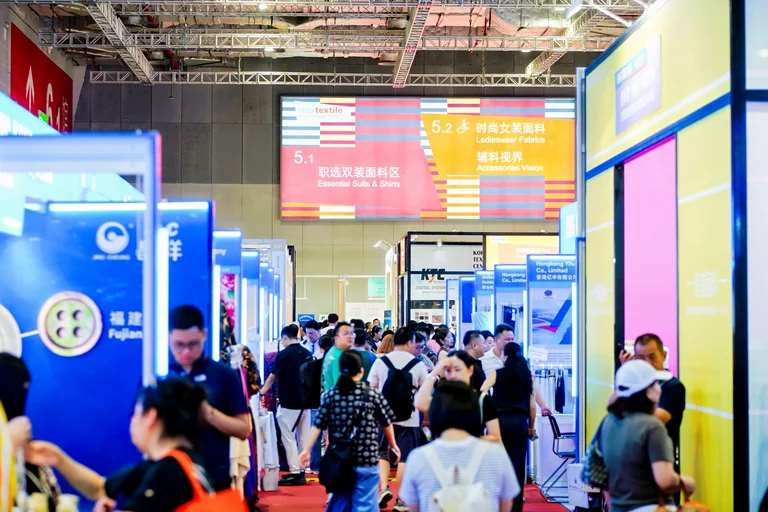
As the global textile industry looks toward the upcoming season, the Intertextile Shanghai Apparel Fabrics – Autumn Edition stands ready... Read more
Beyond globalization, local consumer behavior rewriting fashion retail strategy

The traditional blueprint for global fashion expansion is being rewritten. For decades, apparel companies assumed globalization would gradually create a... Read more

