Indonesia's policy of banning the sale of imported used clothing or thrift products has been met with mixed reactions. While the government has been aggressive in implementing this policy, the reality is that it is difficult to enforce due to the high demand for used clothing. In addition, this policy does not address the real issue affecting the national textile industry, which is the large proportion of imports dominated by textiles and textile materials from China and other countries.
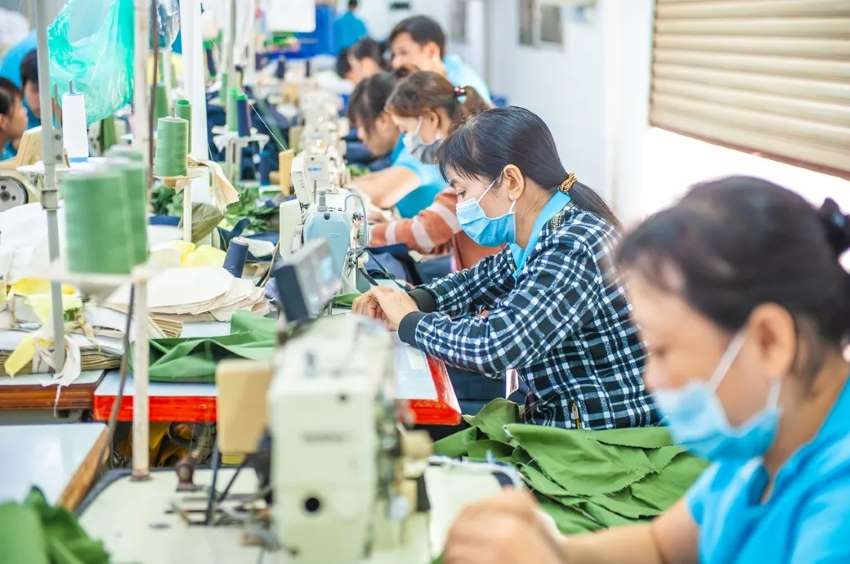
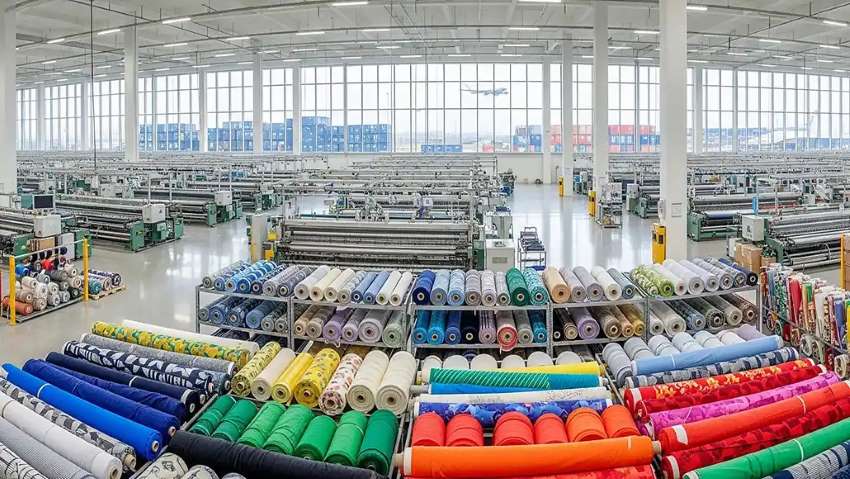
According to data from the Central Statistics Agency (BPS), Indonesia has been flooded with an average of 2.25 million tons of textile products each year in the last five years. The volume of Indonesian textile imports increased by 21.11 percent to 2.2 million tons in 2021 compared to the previous year, with China being the largest contributor at 990.20 thousand tonnes. Weakening competitiveness of Indonesia's textile industry compared to neighboring countries, is threatened by a wave of de-industrialization. This strategic industry needs serious support from the government and local authorities. To revive the industry, the government needs to encourage the entry of advanced technology in the TPT sector. This will improve the quality, productivity, and efficiency of the industry, as well as meet the growing needs of consumers. One way to achieve this is by providing credit programs with subsidized interest to help replace obsolete TPT machines with more modern and efficient ones. This should be a priority, particularly as many of these industries are still classified as old small-medium enterprises (SMEs). The government's support for modernizing technology is a crucial step in achieving this goal.