Sustainability has become almost a dirty word. Though it is a hot topic in fashion, there’s concern that consumers aren’t quite sure what to make of it. They sometimes wonder whether a product made from recycled fibers and fabrics is just as good as something derived from virgin materials. The customer’s connection to the supply chain is virtually non-existent.
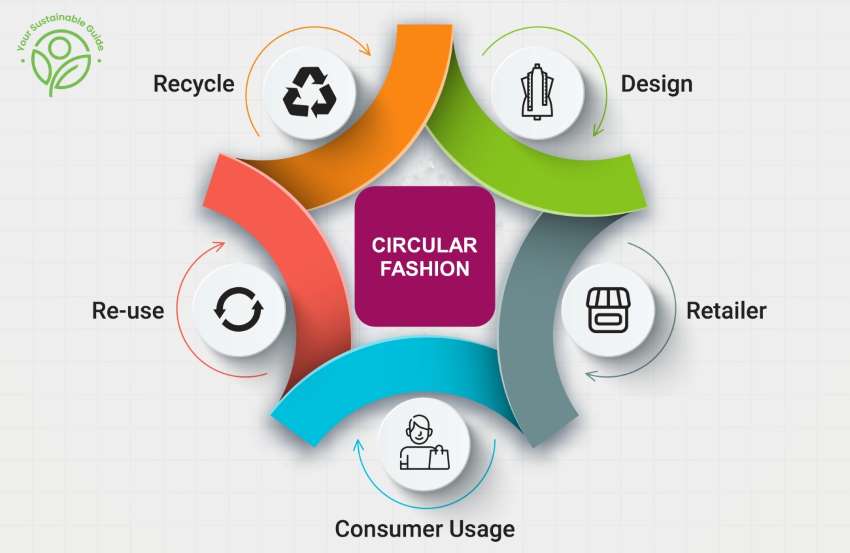
The industry overall hasn’t made the investments to drive fashion towards a more sustainable future. The industry needs to talk about circularity and sustainability not as choices to avoid a guilty conscience but in terms of creating a product that’s better for the individual. Companies should be aligned around three core principles—improving efficiency by doing less with more; improving quality of life by creating healthier products; and making things safer and more resilient.
Sustainability should be a business imperative. Brands that choose to ignore sustainable models do so at their own peril. If financial institutions reward sustainable investments, they can set in motion a ripple of change. Investors will increasingly scrutinize how emerging brands manage sustainability and other ESG (environmental, social and governance) issues. If the manufacturing and supply chain side is fixed, consumers can consume as much as they want without the same impact.
- 1
- 2
- 3
- 4
- 5
- 6
- 7
- 8
- 9
- 10
The £7 Billion Question: Who pays for fashion’s ‘free rental’ habit?
The global fashion industry is facing an uncomfortable paradox: its most valuable customers may also be its most destructive. A... Read more
India, China Bangladesh face fresh headwinds as global apparel markets rebalance
Global apparel trade is entering a more uneven recovery phase, with demand growth persisting but losing uniform momentum across major... Read more
Global cotton enters a deficit year in 2026 as supply drop meets logistics risk
The global cotton economy has entered a fragile and sensitive phase. Early projections for the 2026-27 season suggest that world... Read more
India’s textile trade gets a Pacific push as New Zealand FTA removes tariff barr…
India and New Zealand have inked a ‘once-in-a-generation’ Free Trade Agreement (FTA), one that will have a profound impact on... Read more
Lululemon’s world-first nylon circularity push signals a new apparel arms race
The global apparel industry’s circularity narrative is entering a more technically demanding phase. Polyester recycling once the flagship of sustainable... Read more
Beyond the DTC Rush: Levi’s hybrid channel strategy sets a new retail benchmark
The global apparel sector is entering a phase where channel strategy is no longer a tactical lever but a core... Read more
The New Rules of Resale: EPR turning secondhand into fashion’s strategic growth …
The global fashion industry is facing a decisive regulatory and commercial reset. What began as a sustainability narrative around reuse... Read more
The 2027 Mandate: Why denim’s future hinges on verifiable data
For decades, the global denim industry has relied on a narrative of durability, heritage, and authenticity. That narrative is now... Read more
Europe’s textile core unravels as costs, imports and policy pressure bite
Europe’s textile and apparel sector, long seen as a benchmark for craftsmanship and industrial depth, is slipping into a prolonged... Read more
Automation, innovation, regulation are the forces shaping textiles in 2026
The global textile sector has entered a new era. Early 2026 saw the industry breach a $1.06 trillion valuation, reflecting... Read more