Apparel and made-ups exporters in India are facing an acute liquidity problem. Huge amounts of their funds are blocked under a rebate scheme for state levies and an export incentive program. Most apparel exporters are from the MSME sector and some of them are already in the process of closure and default.
Around Rs 6,000 crores of duty refund claims have not been disbursed under the Rebate of State and Central Taxes and Levies (RoSCTL) and the Merchandise Export from India Scheme (MEIS). Many exporters have paid statutory taxes also on RoSCTL and MEIS benefits. MEIS was also stopped from August last year for the apparel and made-ups sectors. Apparels and made-ups is one of the largest employment generation industry particularly supporting women.
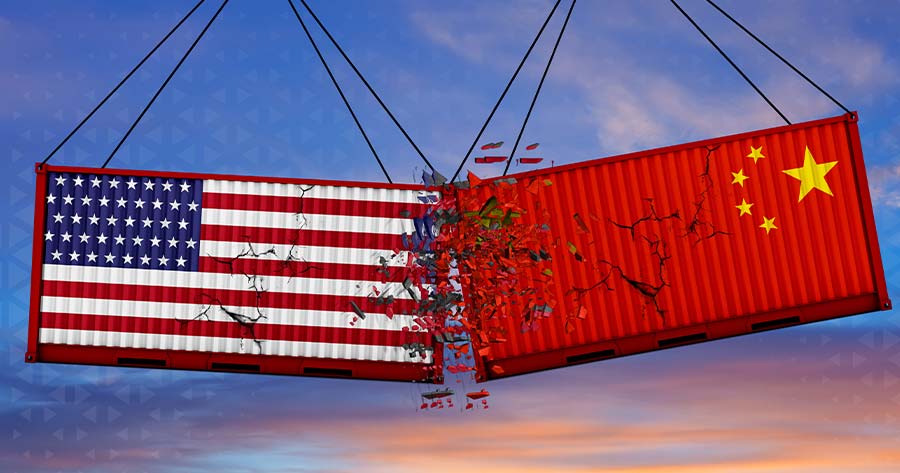
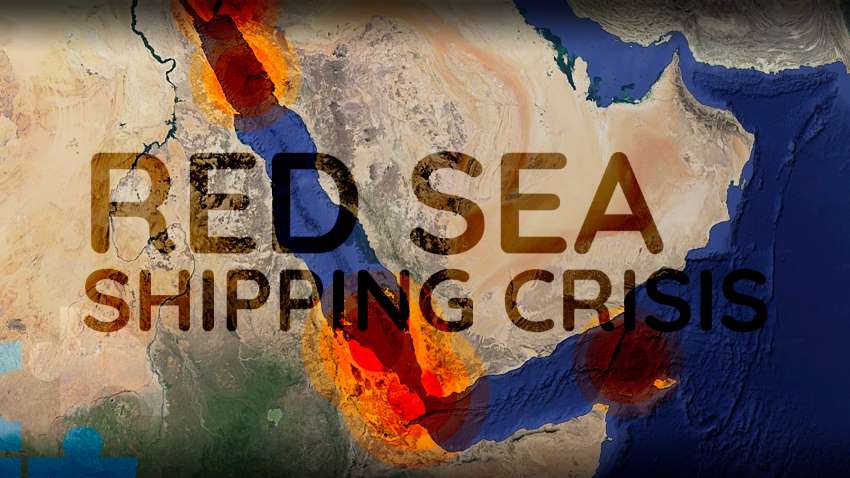
India is already fast losing business to other countries like Vietnam, Cambodia, Myanmar, Bangladesh. India’s textile and apparel exports fell by eight per cent from April to November 2019. Exports were severely affected by the trade conflict of the US with China, the EU’s struggle with Brexit, growing geopolitical tensions in the Middle East and the removal of GSP benefits to India by the US. Under GSP, developed countries grant import duty concessions, in addition to prioritising purchase of textile and apparel products from some countries.
- 1
- 2
- 3
- 4
- 5
- 6
- 7
- 8
- 9
- 10
India’s textile trade gets a Pacific push as New Zealand FTA removes tariff barr…
India and New Zealand have inked a ‘once-in-a-generation’ Free Trade Agreement (FTA), one that will have a profound impact on... Read more
Lululemon’s world-first nylon circularity push signals a new apparel arms race
The global apparel industry’s circularity narrative is entering a more technically demanding phase. Polyester recycling once the flagship of sustainable... Read more
Beyond the DTC Rush: Levi’s hybrid channel strategy sets a new retail benchmark
The global apparel sector is entering a phase where channel strategy is no longer a tactical lever but a core... Read more
The New Rules of Resale: EPR turning secondhand into fashion’s strategic growth …
The global fashion industry is facing a decisive regulatory and commercial reset. What began as a sustainability narrative around reuse... Read more
The 2027 Mandate: Why denim’s future hinges on verifiable data
For decades, the global denim industry has relied on a narrative of durability, heritage, and authenticity. That narrative is now... Read more
Europe’s textile core unravels as costs, imports and policy pressure bite
Europe’s textile and apparel sector, long seen as a benchmark for craftsmanship and industrial depth, is slipping into a prolonged... Read more
Automation, innovation, regulation are the forces shaping textiles in 2026
The global textile sector has entered a new era. Early 2026 saw the industry breach a $1.06 trillion valuation, reflecting... Read more
The new Brussels rulebook, every EU apparel order is now a balance-sheet risk
The humble export order sheet is undergoing a transformation. What was once a straightforward commercial instrument: SKU, volume, FOB price,... Read more
Why 2026-27 could be a defining cotton year for India’s farm-to-fashion economy
The global cotton economy is entering a more constrained phase, and for India, the implications run far beyond the farm... Read more
Luxury resale’s next big battle is no longer digital, it is about who controls s…
For nearly a decade, the luxury resale story was written in the language of platforms. Market leadership was measured by... Read more