Bangladesh has made a bag made of jute polymer that works, looks and feels like a polythene bag but without the negative environmental impact. It is biodegradable. Once it hits the market, it is believed that the massive use of environment-unfriendly polythene will be decreased drastically. Despite being biodegradable, this polymer is water- and air-resistant and is 1.5 times stronger than polythene. The eco-friendly polymer also decomposes in soil within five to six months as opposed to polythene, which could take several hundred years. Furthermore, the material is durable and can support more weight than the conventionally used polythene bags.
Jute is called the golden fiber of Bangladesh. It is in demand in around 60 countries. The country has taken special measures to produce quality jute and diversify jute products. Along with extending policy support, cash incentives have been increased for diversification of jute products. Thousands of jobs have been created by small and medium jute mills. The country has undertaken various projects such as conducting more research, formulating new regulations, reforming jute mills, and imposing an eco-tax on polythene to encourage people to use jute products. A rule has made jute use mandatory in goods packaging.

- 1
- 2
- 3
- 4
- 5
- 6
- 7
- 8
- 9
- 10
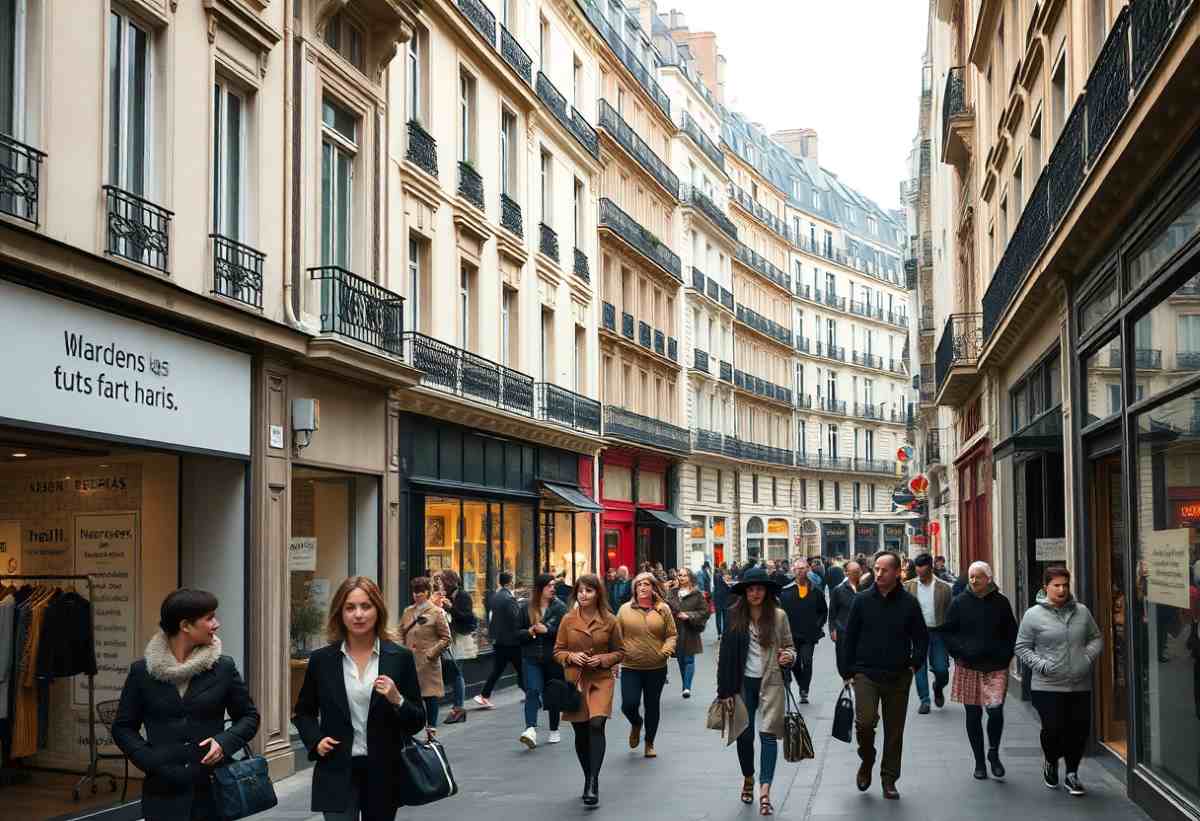
Why European consumers are spending more but buying less fashion
For much of the last two decades, the European fashion industry operated under the assumption that rising consumer wealth would... Read more
Why US apparel prices defied inflation while product quality improved
As inflation reshapes nearly every aspect of American household spending, one consumer category continues to stand apart. Housing costs have... Read more
The Resale Revolution: Vinted’s marketplace model reshapes European retail
The French fashion market has reached a turning point. In a development that highlights the growing influence of circular commerce,... Read more
France declares war on ultra-fast fashion with new green law, will reshape globa…
France has become the first major economy to legislate specifically against the ultra-fast fashion business model, a watershed moment for... Read more
France declares war on ultra-fast fashion with new green law, will reshape globa…
France has become the first major economy to legislate specifically against the ultra-fast fashion business model, a watershed moment for... Read more
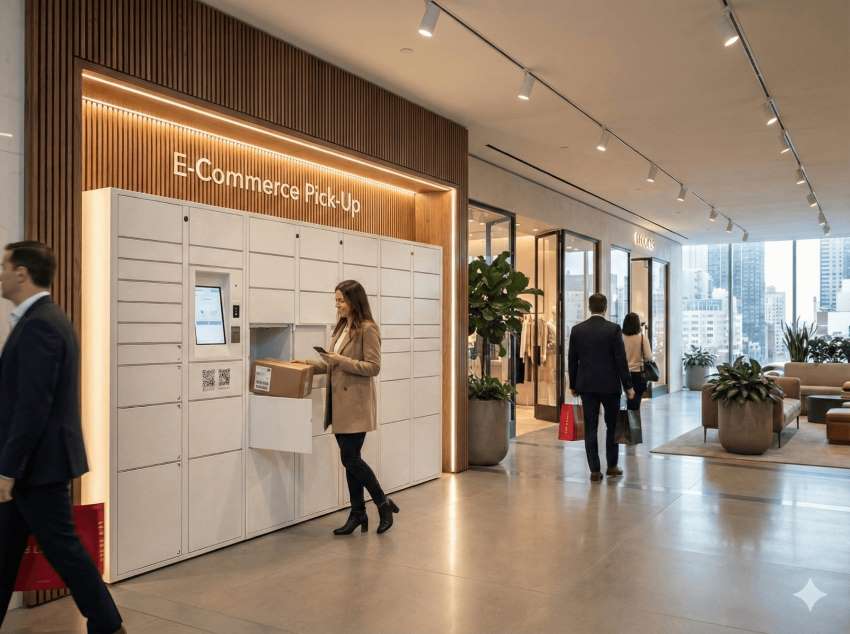
Click-and-Collect: Why retailers are turning pickup counters into sales machines
Modern retail has changed the role of the physical store. Once viewed primarily as a point of sale or inventory... Read more
Why fashion e-commerce returns persist despite smarter sizing technology
For over a decade, the fashion sector has invested heavily in virtual fitting rooms, AI-powered size recommendations, and 3D body... Read more
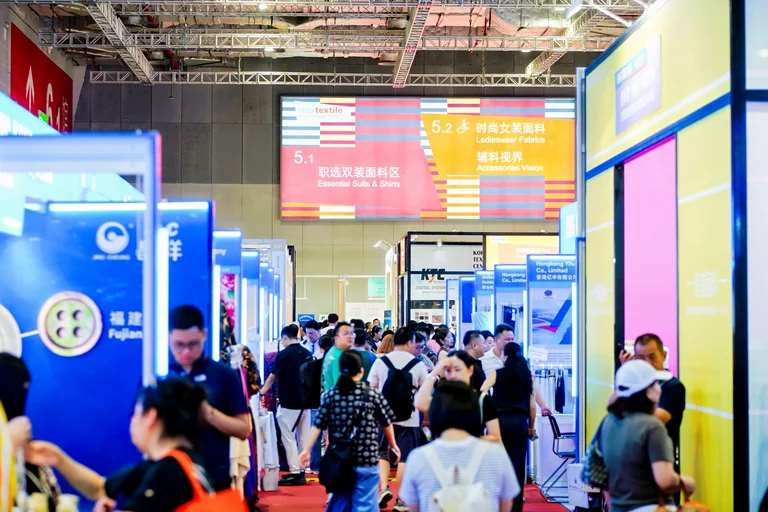
A Quest for Essence: Unveiling the 2027 A/W Trends at Intertextile Shanghai Appa…
As the global textile industry looks toward the upcoming season, the Intertextile Shanghai Apparel Fabrics – Autumn Edition stands ready... Read more
Beyond globalization, local consumer behavior rewriting fashion retail strategy
The traditional blueprint for global fashion expansion is being rewritten. For decades, apparel companies assumed globalization would gradually create a... Read more
Virtual wardrobes redraw retail boundaries as gaming platforms become fashion ec…
The boundary between physical clothing and digital apparel is rapidly eroding as gaming environments evolve into fully functioning consumer markets.... Read more