The Japan Fashion Week Organization (JFWO) is marking its second decade by executing a comprehensive structural and visual overhaul designed to transition Tokyo from a regional creative hub to a dominant global fashion capital. Central to this strategic shift is the unveiling of a new identity that replaces the original 2005 logo. This aesthetic transition coincides with the rebranding of the ‘Collection Division’ to the ‘Fashion Week Division,’ a move aimed at clarifying the organization’s dual mandate of promoting avant-garde Japanese design while simultaneously fortifying the domestic textile manufacturing base.
Cultural identity meets commercial ambition
Integrating the letters ‘JFWO’ into the kanji character for clothing, the new logo symbolizes a deeper alignment between traditional Japanese craftsmanship and modern commercial scalability. By referencing the Hinomaru and hanko (traditional seals), the JFWO is signaling a ‘Japan-first’ export strategy. This initiative comes at a critical juncture; while Japanese apparel production is forecasted to decline slightly to ¥1.44 trillion in 2026, the demand for high-performance, eco-friendly natural fibers is projected to grow at a CAGR of 3.74 per cent through 2035.
Strengthening the upstream-downstream link
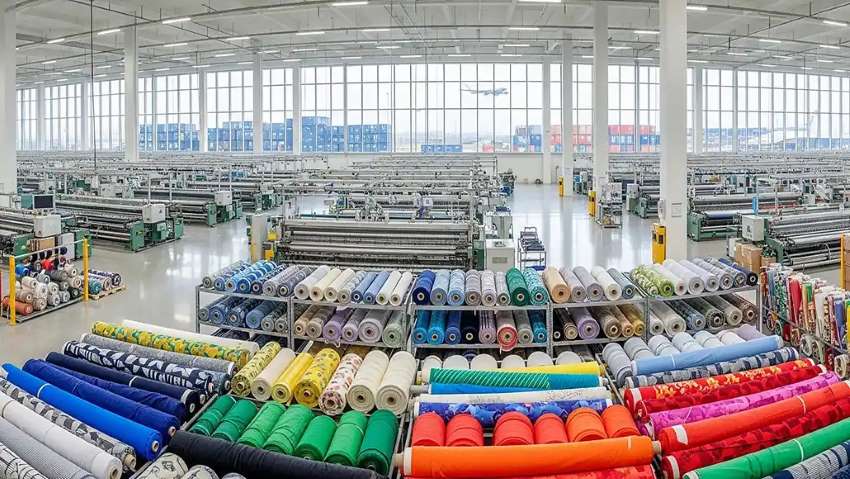
Unlike most global fashion week organizers, the JFWO actively manages textile exhibitions like ‘Premium Textile Japan’ alongside its runway schedules. This integrated approach is designed to bridge the gap between high-end designers and the nation's superior fabric mills. ‘Our mission is to establish Tokyo as the primary global source for fashion information and textile innovation,’ notes the JFWO Board. By leveraging its 20th-anniversary milestone, the organization plans to utilize its Paris and Seoul showrooms to counter international competition, positioning Japanese ‘slow fashion’ and technical textiles as premium alternatives to global mass-market volatility.
The Japan Fashion Week Organization (JFWO) is the primary body coordinating Tokyo’s fashion and textile sectors. Founded in 2005, it operates the ‘Fashion Week Division’ and ‘Textile Business Division,’ facilitating trade for over 500 designers. JFWO aims to reach a ¥110 trillion market value by 2030 through digital integration and global showroom expansions.