Italy is losing its iconic brands to foreign, usually French, groups. It is becoming increasingly hard to create a luxury conglomerate in Italy. And companies have to think hard and strategies. Giorgio Armani has created the Giorgio Armani Foundation. Its heirs, three nieces and nephews, are already on the board of directors of the company.
OTB (Only the Brave) controls Diesel and a portfolio of brands including Marni, Maison Margiela, Viktor & Rolf and Paula Cademartori. The founder is already thinking of the future, of his children, and how to ensure a smooth transition in management, and one of the options under consideration is a possible public listing sometime over the next few years.
Similarly Prada opted for a public listing on the Hong Kong stock exchange in 2011. Versace sold a 20 per cent stake to the US fund Blackstone in 2014. Zegna redistributed the ownership stakes among the grandchildren, heirs to the company, in 2014.
The fact remains that these are businesses with broad appeal, to private equity funds and to international investment firms. They are courted by international stock markets. There's no lack of options. The main thing for these companies is to remain attractive by continuing to show steady growth.
- 1
- 2
- 3
- 4
- 5
- 6
- 7
- 8
- 9
- 10
The New Rules of Resale: EPR turning secondhand into fashion’s strategic growth …
The global fashion industry is facing a decisive regulatory and commercial reset. What began as a sustainability narrative around reuse... Read more
The 2027 Mandate: Why denim’s future hinges on verifiable data
For decades, the global denim industry has relied on a narrative of durability, heritage, and authenticity. That narrative is now... Read more
Europe’s textile core unravels as costs, imports and policy pressure bite
Europe’s textile and apparel sector, long seen as a benchmark for craftsmanship and industrial depth, is slipping into a prolonged... Read more
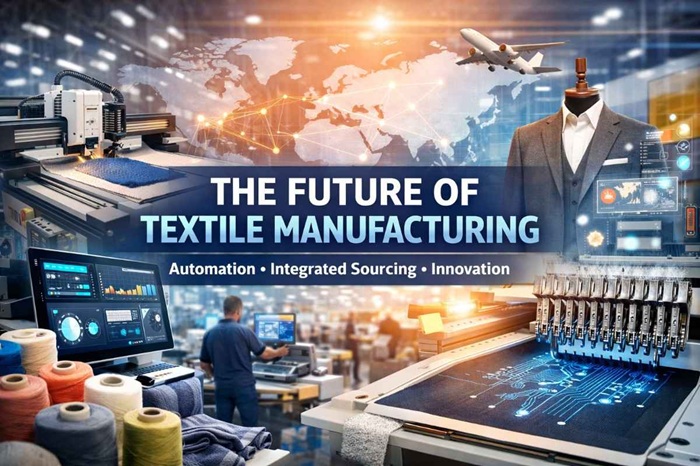
Automation, innovation, regulation are the forces shaping textiles in 2026
The global textile sector has entered a new era. Early 2026 saw the industry breach a $1.06 trillion valuation, reflecting... Read more
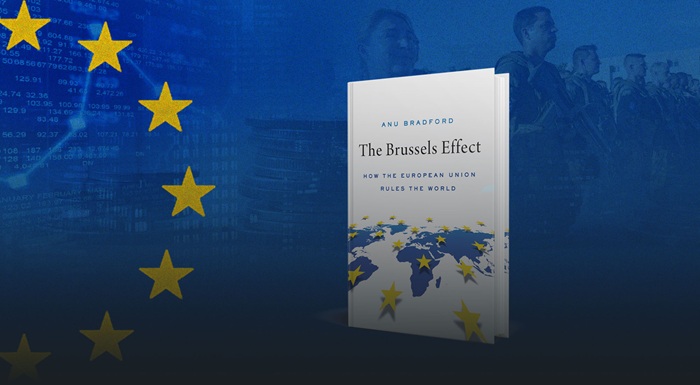
The new Brussels rulebook, every EU apparel order is now a balance-sheet risk
The humble export order sheet is undergoing a transformation. What was once a straightforward commercial instrument: SKU, volume, FOB price,... Read more
Why 2026-27 could be a defining cotton year for India’s farm-to-fashion economy
The global cotton economy is entering a more constrained phase, and for India, the implications run far beyond the farm... Read more
Luxury resale’s next big battle is no longer digital, it is about who controls s…
For nearly a decade, the luxury resale story was written in the language of platforms. Market leadership was measured by... Read more
Digital Arms Race: Indian apparel giants deploy AI to neutralize tariff crisis
The Indian textile and apparel sector is in a digital survival phase in 2026, shifting from traditional labor-intensive models to... Read more
Europe’s Textile Endgame: Why Project FAE is becoming fashion’s most critical in…
Europe’s apparel majors are no longer treating circularity as a branding layer. With Project FAE or Feedstock Activation Europe, the... Read more
Engineering color at source, dye-free production is cutting cost, water, and tim…
For over a century, coloring has been anchored in wet processing, an energy-intensive, chemically saturated stage that happen post spinning.... Read more