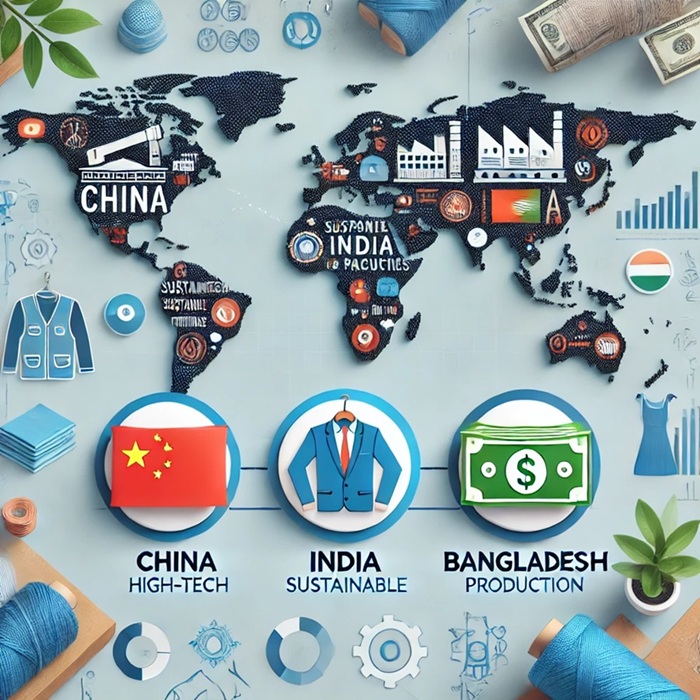
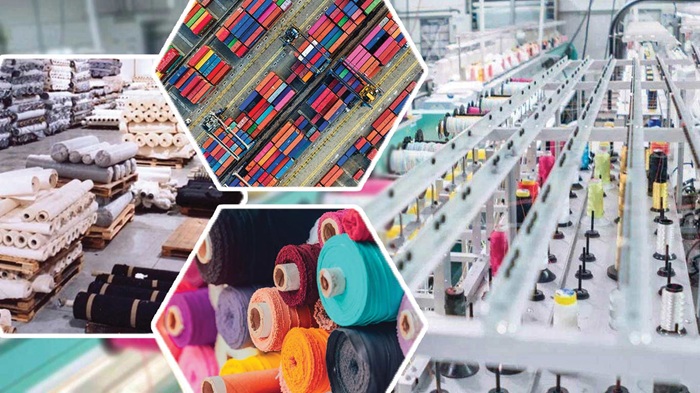
Iran's apparel industry has exported goods worth $80 million in the previous Iranian year, according to the Textiles and Clothing Industries Department of the Ministry of Industries, Mining and Trade. Neighboring countries, including Iraq and Afghanistan, as well as several Eurasian countries, were the primary destinations for these exports. To expand its reach, the Iranian government is making efforts to penetrate the Russian market.
To promote the industry, the Iranian government has maintained the same import tariff for clothing raw materials, which was 1% in the previous year. The textile industry is one of Iran's leading economic sectors, providing employment opportunities for a significant percentage of the population. Despite challenges such as international sanctions, the industry has continued to flourish, with exports increasing every year.
The industry's diverse product range, including cotton, wool, silk, and synthetic fibers, is renowned for producing high-quality fabrics. The Iranian Ministry of Industries, Mining, and Trade has been promoting the apparel industry and expanding its exports to different regions worldwide. The government's favorable trade policies and the country's proximity to several neighboring countries have made it easier to penetrate markets in the region.
Apart from promoting exports, the textile and apparel industry heavily relies on imports of raw materials. According to the Iran Textile Exporters and Manufacturers Association, the country imported around $2.5 billion worth of textile raw materials during the last Iranian year, with cotton being the most imported material, followed by polyester, viscose, and acrylic fibers.
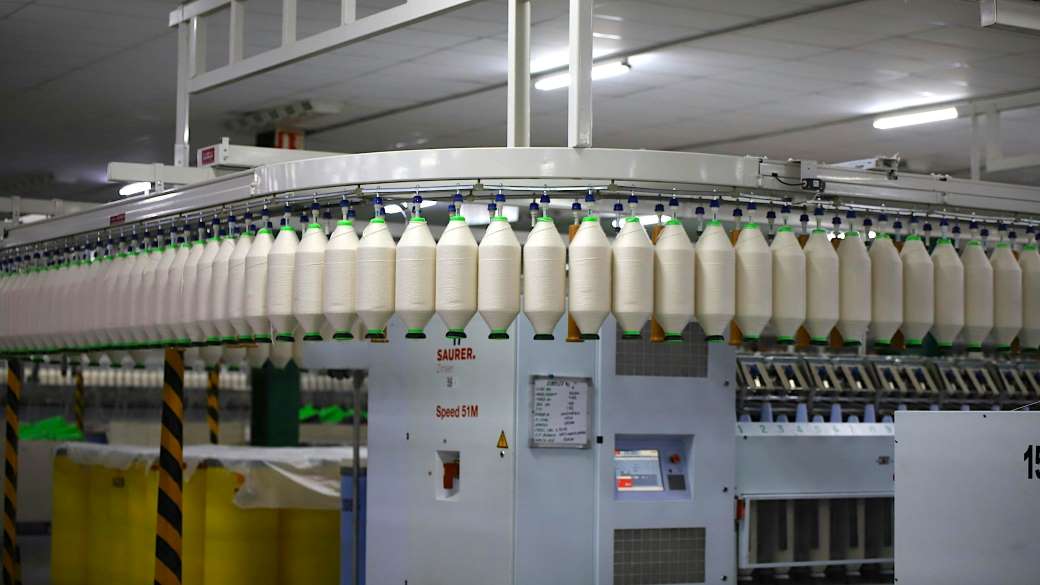
Despite being one of the leading producers of cotton in the world, Iran still imports a significant amount of cotton due to the lack of modern technology and sufficient investment in the sector. However, the government has been taking measures to reduce the country's dependence on imports by increasing local cotton production and encouraging investment in the industry.
The government is also implementing measures to improve the industry's competitiveness by upgrading technology, providing financial assistance, and establishing new production units.