Iran wants to boost garment output and exports. Domestic units supply 70 to 80 per cent of the requirement for clothing inside the country. After the ban imposed on imports of clothing, domestic units are making all endeavors to boost the quality and quantity of their products. Garments exports are planned especially to Afghanistan, Iraq, Russia and Yemen.
Iran shares a border with the United Arab Emirates, Iraq, Turkey, Afghanistan, Pakistan, Russia, Oman, Azerbaijan, Turkmenistan, Kuwait, Qatar, Kazakhstan, Armenia, Bahrain, and Saudi Arabia. The value of Iran’s trade with neighboring countries in the past Iranian calendar year was about 41 per cent of the country’s total non-oil trade in the mentioned time span. Increasing non-oil exports to neighboring countries is another plan. Some of the areas worked on include home appliances, petrochemicals, and marine industries, basic metals such as steel, aluminum and copper as well as agriculture.
Fifteen mega export projects will be launched to identify target markets. A comprehensive system will be launched for registration of domestically-made products in the near future. This transparent mechanism will lay the ground for introducing different industries and industrial capabilities aiming to strengthen domestic production. Iran has named this year as the year of pickup in production.

- 1
- 2
- 3
- 4
- 5
- 6
- 7
- 8
- 9
- 10
Trade pacts, integrated manufacturing power India’s textile export ambitions
Global apparel sourcing is entering a new phase in which resilience, compliance and manufacturing depth matter as much as cost... Read more
Next-gen digital Indigo systems redefine textile manufacturing economics
The global textile sector is experiencing a structural shift as industrial-scale digital dyeing technologies replace traditional indigo vats in major... Read more
Fashion retail’s physical comeback, stores become experience hubs
Online shopping has permanently altered fashion consumption, making convenience, algorithmic recommendations, endless assortment and doorstep delivery standard expectations. Yet the... Read more
India reworks apparel export strategy as US tariffs squeeze margins
As tariff volatility, shorter retail buying cycles and aggressive price negotiations in the US expose weaknesses in the country’s traditional... Read more
MIT’s recyclable yarn could disrupt spandex’s grip on fashion
Stretch has become essential to modern fashion. Activewear, denim, underwear and athleisure all depend heavily on elastic fibres such as... Read more
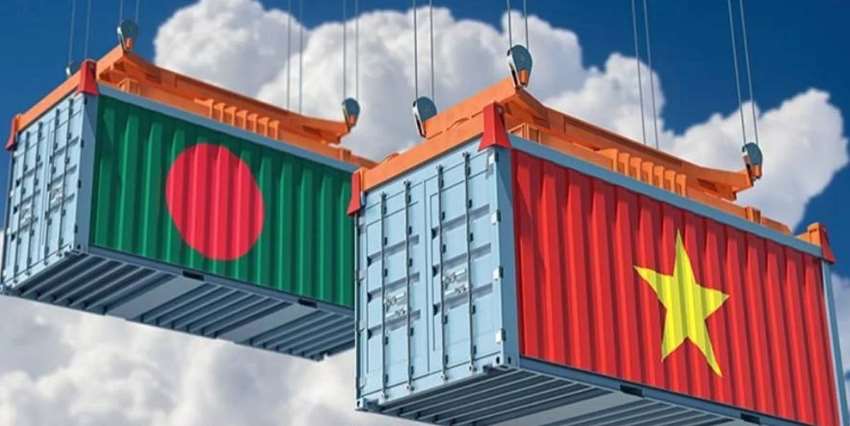
Speed, synthetics and trade pacts propel Vietnam past Bangladesh
Vietnam has overtaken Bangladesh to become the world's second-largest exporter of ready-made garments (RMG), marking more than a symbolic change... Read more
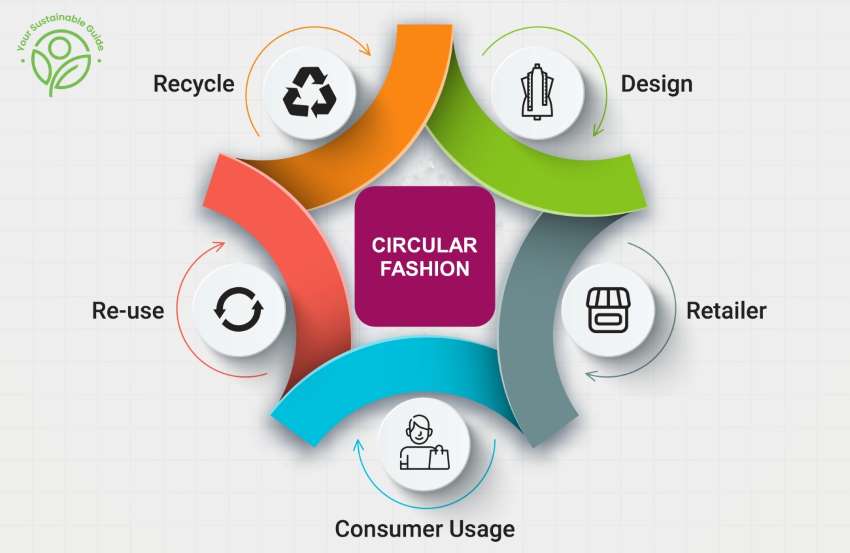
The €2,150 Question: Can Europe afford circular fashion at scale?
Europe's push to build a circular textile economy is facing an uncomfortable commercial truth. The technology capable of producing virgin-quality... Read more
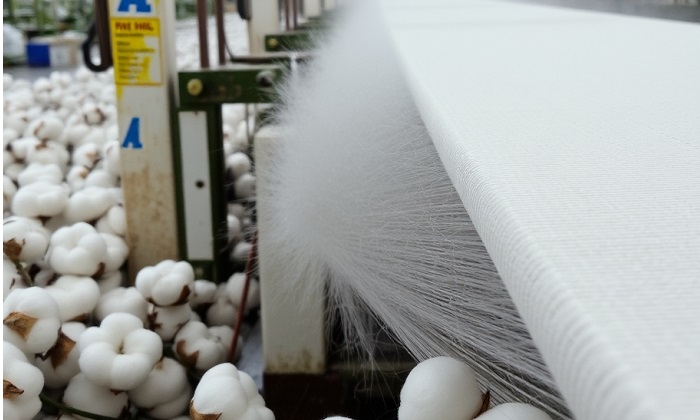
From cotton peaks to polyester pressures, textile supply chains face a reset
The assumption that textile supply chains can absorb periodic swings in cotton prices has become untenable. During the first seven... Read more
Global sourcing reset exposes India’s apparel competitiveness gap
The assumption that global apparel sourcing would naturally shift from China to India is proving increasingly misplaced. Fresh trade data... Read more
The new fashion equation, quality, agility and value replace speed and discounts
The traditional order that once separated low-cost fast fashion from premium luxury is steadily breaking down as consumers become more... Read more