India’s merchandise exports fell for the sixth consecutive month in January 2020. Trade deficit has risen to a seven-month high. The increase in the January merchandise trade deficit has primarily been led by a sharp rise in crude oil imports, which will subside in February because of the correction in crude oil prices.
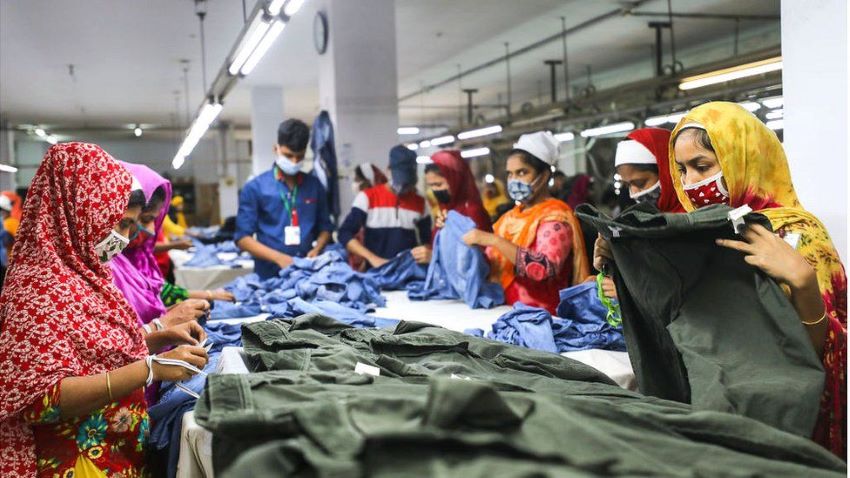
During the first 10 months of the current fiscal year, exports have contracted 1.9 per cent while imports have shrunk 8.1 per cent. Weakening external sector will put additional pressure on India’s fledgling economic growth, which is estimated to decelerate to an 11-year low of five per cent this year. Out of the 30 major items each in India’s export and import baskets, 21 export items and 17 imported goods witnessed contraction. While exports of readymade garments fell by five per cent, gems and jewelry dropped by 11.6 per cent and engineering goods lost four per cent during the month. However exports of pharmaceuticals, electronics goods, petroleum products and chemicals made a recovery. Among major imports, coal fell by 24.4 per cent, chemicals by 12 per cent, gold by 31.5 per cent and electronics goods shrank by 4.7 per cent. However, signaling a recovery in domestic industrial activity, imports of machinery and transport equipment rose.
- 1
- 2
- 3
- 4
- 5
- 6
- 7
- 8
- 9
- 10
India’s textile trade gets a Pacific push as New Zealand FTA removes tariff barr…
India and New Zealand have inked a ‘once-in-a-generation’ Free Trade Agreement (FTA), one that will have a profound impact on... Read more
Lululemon’s world-first nylon circularity push signals a new apparel arms race
The global apparel industry’s circularity narrative is entering a more technically demanding phase. Polyester recycling once the flagship of sustainable... Read more
Beyond the DTC Rush: Levi’s hybrid channel strategy sets a new retail benchmark
The global apparel sector is entering a phase where channel strategy is no longer a tactical lever but a core... Read more
The New Rules of Resale: EPR turning secondhand into fashion’s strategic growth …
The global fashion industry is facing a decisive regulatory and commercial reset. What began as a sustainability narrative around reuse... Read more
The 2027 Mandate: Why denim’s future hinges on verifiable data
For decades, the global denim industry has relied on a narrative of durability, heritage, and authenticity. That narrative is now... Read more
Europe’s textile core unravels as costs, imports and policy pressure bite
Europe’s textile and apparel sector, long seen as a benchmark for craftsmanship and industrial depth, is slipping into a prolonged... Read more
Automation, innovation, regulation are the forces shaping textiles in 2026
The global textile sector has entered a new era. Early 2026 saw the industry breach a $1.06 trillion valuation, reflecting... Read more
The new Brussels rulebook, every EU apparel order is now a balance-sheet risk
The humble export order sheet is undergoing a transformation. What was once a straightforward commercial instrument: SKU, volume, FOB price,... Read more
Why 2026-27 could be a defining cotton year for India’s farm-to-fashion economy
The global cotton economy is entering a more constrained phase, and for India, the implications run far beyond the farm... Read more
Luxury resale’s next big battle is no longer digital, it is about who controls s…
For nearly a decade, the luxury resale story was written in the language of platforms. Market leadership was measured by... Read more