India’s trade deficit with China increased more than twofold from 2007 to 2017. India’s imports from China were six times its exports in 2017, making rising trade imbalance a major concern.
While Chinese exports to India rely strongly on manufactured items to meet the demand of fast expanding sectors like telecom and power, India’s exports to China are primary and intermediate products. India’s major exports to China include ores, slag and ash, cotton, organic chemicals, mineral fuels/oils, copper and its articles. Imports include telecom instruments, electronic components and instruments, computer hardware, organic chemicals, plastics and plastic items.
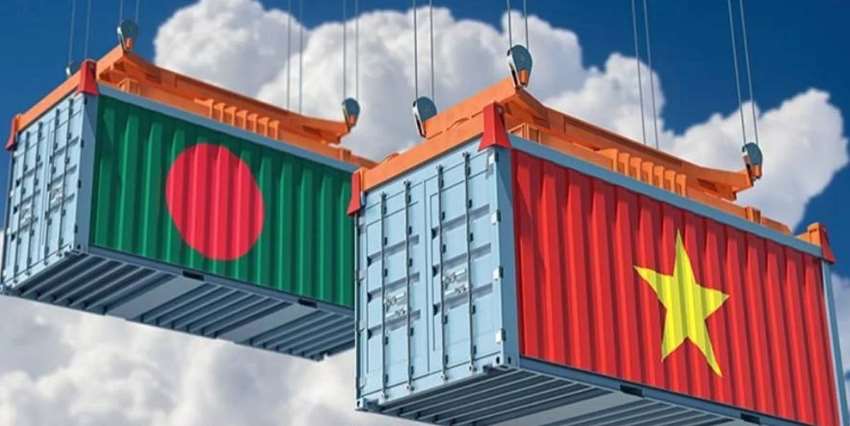
Cotton has been one of India’s leading exports to China, but volumes have shrunk considerably in the past few years. China is the largest market for India’s cotton yarn, yet exports have halved from 2013 to 2016. The decline is attributed to China’s increasing import of cotton yarn from Vietnam, which registered an 88 per cent increase over the same period.
However, recent trade war between the US and China has sparked a ray of hope for Indian exports such as cotton, soya bean and maize. As China imposes tariff barriers on US products, Indian exports are expected to increase.

- 1
- 2
- 3
- 4
- 5
- 6
- 7
- 8
- 9
- 10
MIT’s recyclable yarn could disrupt spandex’s grip on fashion
Stretch has become essential to modern fashion. Activewear, denim, underwear and athleisure all depend heavily on elastic fibres such as... Read more
Speed, synthetics and trade pacts propel Vietnam past Bangladesh
Vietnam has overtaken Bangladesh to become the world's second-largest exporter of ready-made garments (RMG), marking more than a symbolic change... Read more
The €2,150 Question: Can Europe afford circular fashion at scale?
Europe's push to build a circular textile economy is facing an uncomfortable commercial truth. The technology capable of producing virgin-quality... Read more
From cotton peaks to polyester pressures, textile supply chains face a reset
The assumption that textile supply chains can absorb periodic swings in cotton prices has become untenable. During the first seven... Read more
Global sourcing reset exposes India’s apparel competitiveness gap
The assumption that global apparel sourcing would naturally shift from China to India is proving increasingly misplaced. Fresh trade data... Read more
The new fashion equation, quality, agility and value replace speed and discounts
The traditional order that once separated low-cost fast fashion from premium luxury is steadily breaking down as consumers become more... Read more
AI goes invisible as fashion brands rewire design studios
The fashion industry's digital transformation is entering a new phase. After investing heavily in sophisticated 3D computer-aided design (CAD) platforms... Read more
Natural fibers gain ground as global retail pushes back against polyester
A change is underway across the global textile industry as consumer preferences begin to alter sourcing decisions that have long... Read more
From exclusivity to engagement, luxury retail rewrites its growth strategy for 2…
The global luxury industry is entering a different growth cycle. After years of post-pandemic spending riding on affluent consumers and... Read more
Shaping the future of fashion at BRICS+ 2026
The upcoming BRICS+ Fashion Summit in Moscow promises to be a pivotal international gathering, offering a dedicated platform for fast-growing... Read more