India’s textile and garment shipments to Vietnam were up 44 per cent in 2017 while imports from Vietnam were up by 42 per cent. The two countries aim to bring bilateral trade to $15 billion by 2020.
Vietnam’s textile sector is growing rapidly but in an unbalanced manner due to restricted supply of raw material like cotton. So the country expects India to supply quality yarn and fabrics. And India is in a position to do this.
Vietnamese and Indian textile and garment firms see this as a good time to enhance links in investing, exporting materials and technical assistance for mutual benefit. Vietnam is one of the five largest textile and garment exporters in the world. However, the country is also one of the world’s leading importers of fabrics and materials. The shortage of high-quality materials for production is the biggest barrier to Vietnam’s textile and garment industry, hindering the country from taking advantage of free trade agreements. Cooperating with Indian businesses will be an effective measure to diversify material supply resources for Vietnam.
Trade promotion programs can help Indian businesses make deeper inroads into the Vietnamese market. These can also help Vietnamese businesses seek more material suppliers and learn from effective production models.
- 1
- 2
- 3
- 4
- 5
- 6
- 7
- 8
- 9
- 10
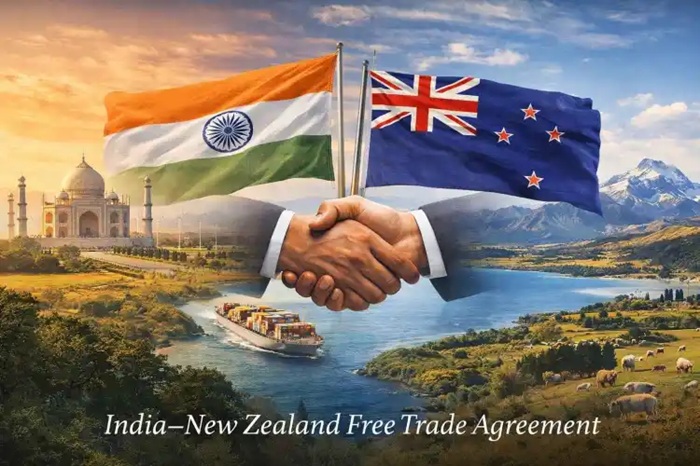
India’s textile trade gets a Pacific push as New Zealand FTA removes tariff barr…
India and New Zealand have inked a ‘once-in-a-generation’ Free Trade Agreement (FTA), one that will have a profound impact on... Read more
Lululemon’s world-first nylon circularity push signals a new apparel arms race
The global apparel industry’s circularity narrative is entering a more technically demanding phase. Polyester recycling once the flagship of sustainable... Read more
Beyond the DTC Rush: Levi’s hybrid channel strategy sets a new retail benchmark
The global apparel sector is entering a phase where channel strategy is no longer a tactical lever but a core... Read more
The New Rules of Resale: EPR turning secondhand into fashion’s strategic growth …
The global fashion industry is facing a decisive regulatory and commercial reset. What began as a sustainability narrative around reuse... Read more
The 2027 Mandate: Why denim’s future hinges on verifiable data
For decades, the global denim industry has relied on a narrative of durability, heritage, and authenticity. That narrative is now... Read more
Europe’s textile core unravels as costs, imports and policy pressure bite
Europe’s textile and apparel sector, long seen as a benchmark for craftsmanship and industrial depth, is slipping into a prolonged... Read more
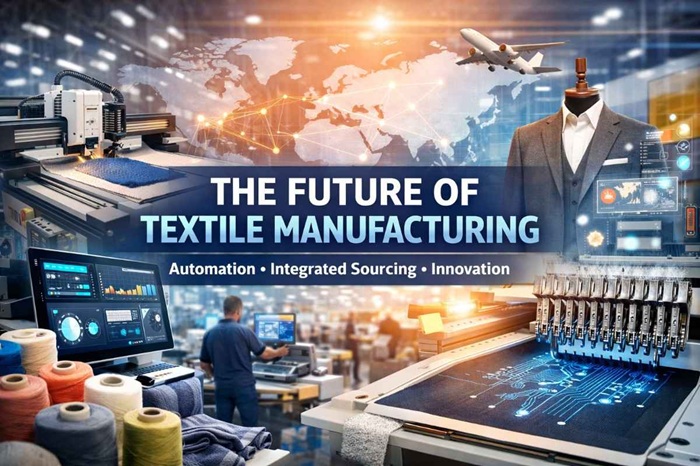
Automation, innovation, regulation are the forces shaping textiles in 2026
The global textile sector has entered a new era. Early 2026 saw the industry breach a $1.06 trillion valuation, reflecting... Read more
The new Brussels rulebook, every EU apparel order is now a balance-sheet risk
The humble export order sheet is undergoing a transformation. What was once a straightforward commercial instrument: SKU, volume, FOB price,... Read more
Why 2026-27 could be a defining cotton year for India’s farm-to-fashion economy
The global cotton economy is entering a more constrained phase, and for India, the implications run far beyond the farm... Read more
Luxury resale’s next big battle is no longer digital, it is about who controls s…
For nearly a decade, the luxury resale story was written in the language of platforms. Market leadership was measured by... Read more