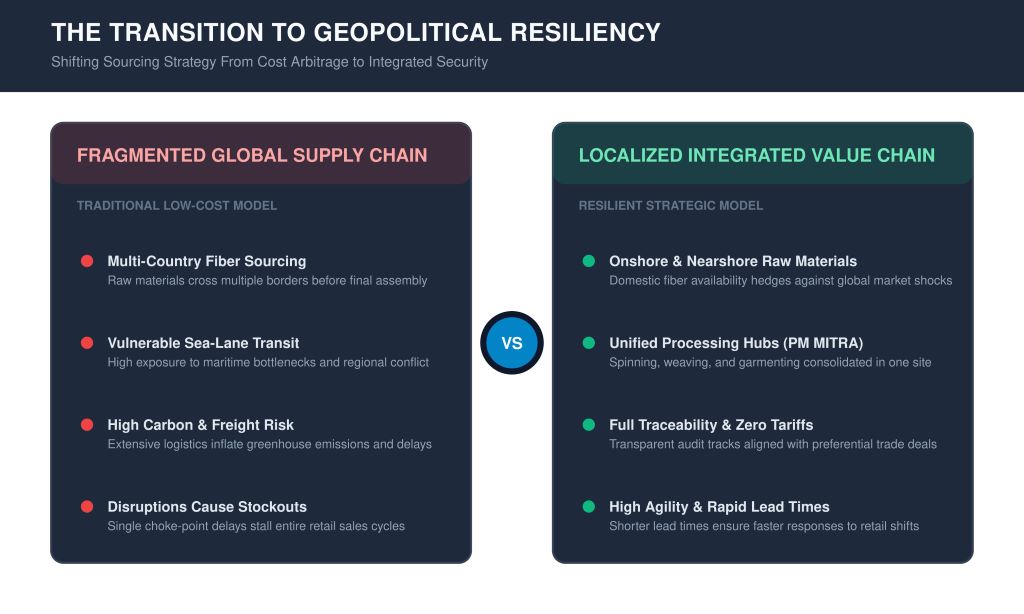
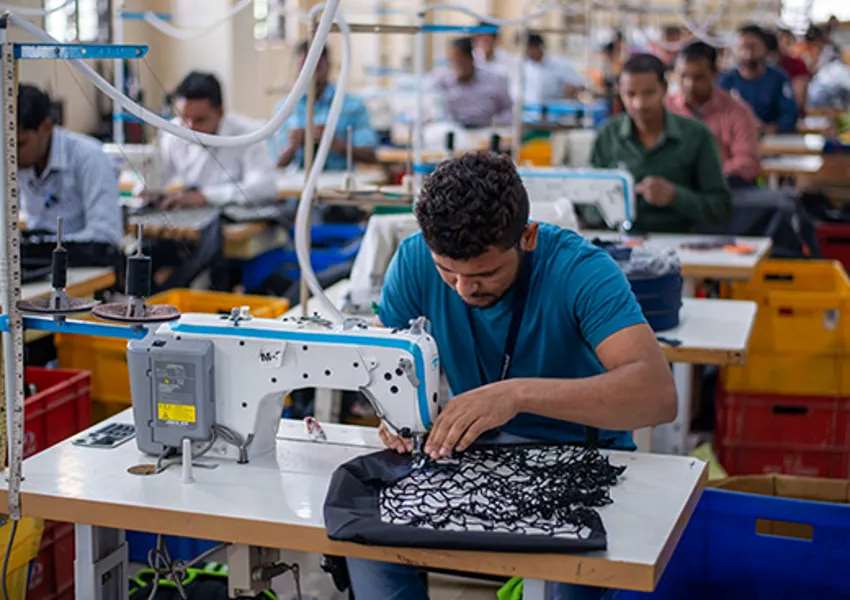
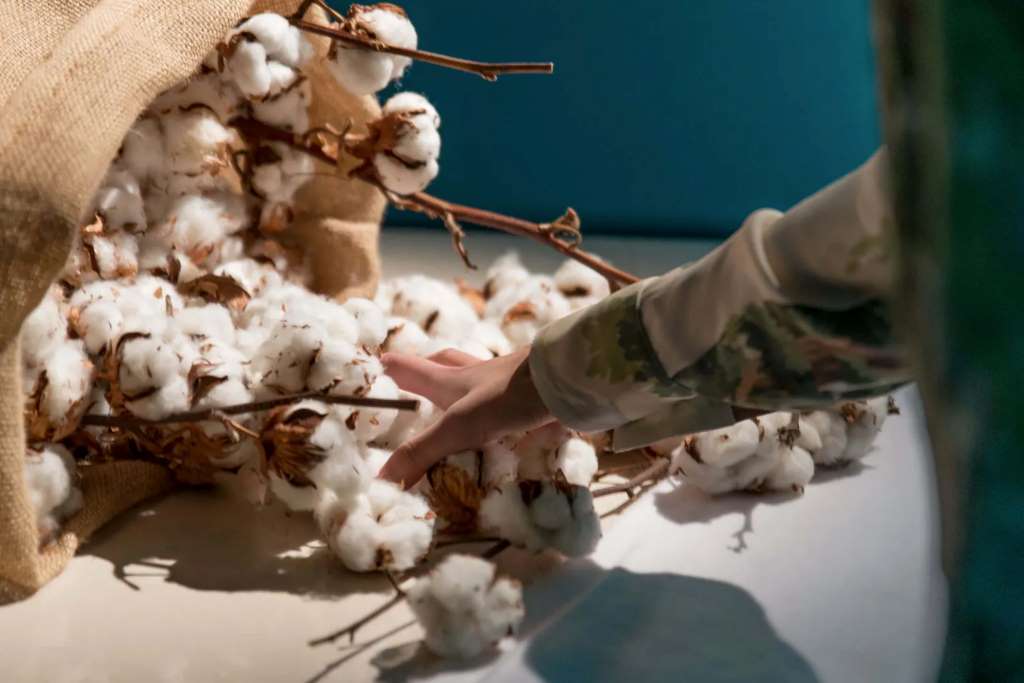
The Indian government has implemented a comprehensive duty-free window for raw cotton imports, effective from June 1, 2026, through October 31, 2026. This policy maneuver effectively removes the 11 per cent cumulative import tax burden - comprising Basic Customs Duty and the Agriculture Infrastructure and Development Cess - that previously constrained domestic manufacturers. By facilitating access to global raw material supplies during the critical cotton off-season, the measure is designed to alleviate the margin pressure currently faced by the spinning and garment sectors. Industry analysts emphasize that this elimination of artificial cost barriers is essential for maintaining India’s export parity against regional competitors like Bangladesh and Vietnam, who have historically benefited from duty-free raw material access.
Bolstering export resilience and MSME performance
This shift in fiscal policy is particularly significant for small and medium-sized enterprises (MSMEs), which have struggled with domestic price volatility and supply deficits throughout the current fiscal year. With domestic cotton consumption projected to reach 340 lakh bales against a domestic output of roughly 290 lakh bales, the duty waiver provides a vital mechanism for balancing the domestic supply gap. Trade bodies, including the Apparel Export Promotion Council (AEPC), anticipate that lower input costs will translate into more aggressive pricing for global orders, ultimately supporting the nation’s objective of reaching US$ 100 billion in textile and apparel exports by 2030. The move signals a proactive effort by the Ministry of Finance to stabilize the textile ecosystem while ensuring that domestic farming interests remain protected during the transition to the next harvest cycle.
The Indian textile & apparel sector
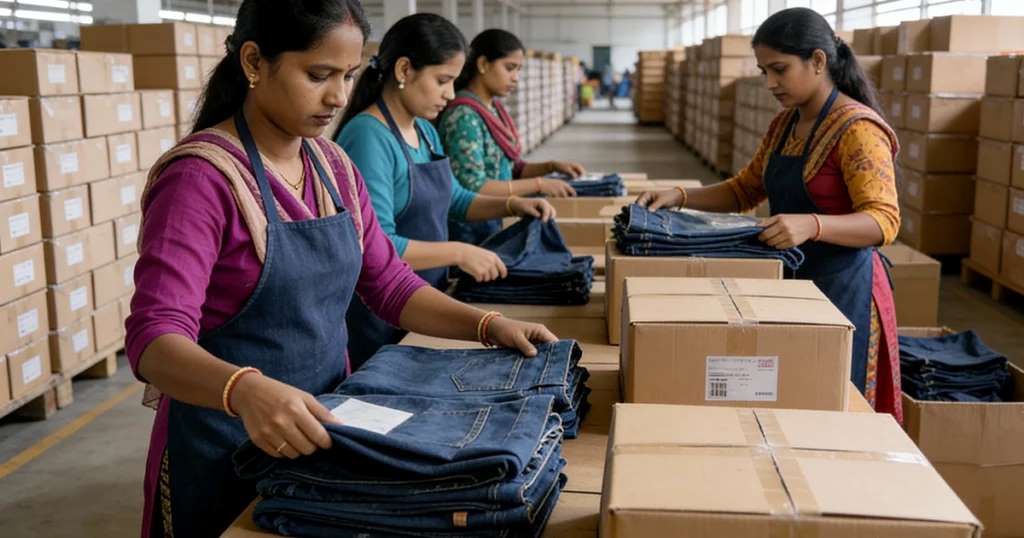
India maintains one of the world's largest vertically integrated textile industries, spanning from fiber cultivation to high-end garment production. The sector is a major employment driver, focusing on cotton, man-made fibers, and technical textiles. Growth initiatives center on scaling manufacturing capacity, leveraging new Free Trade Agreements, and enhancing industrial sustainability.