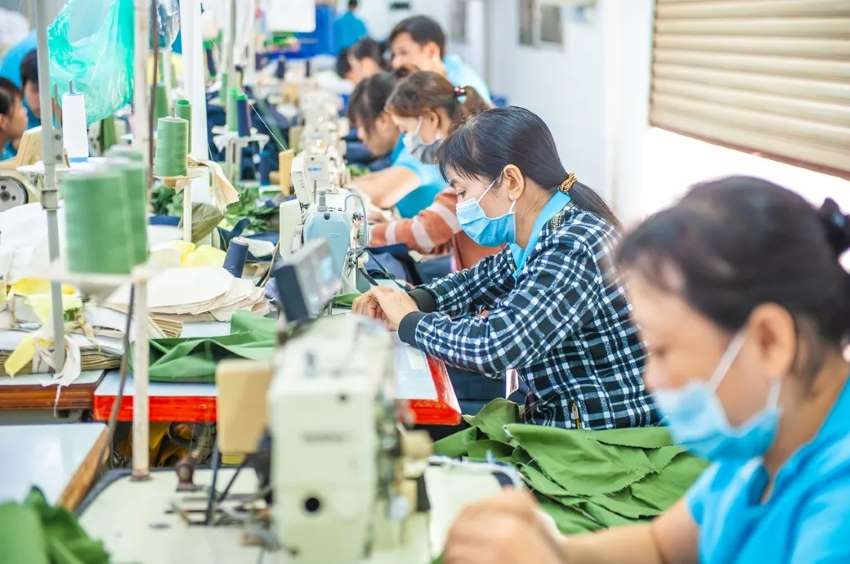
Bangladeshi garment and textile manufacturers are facing the threat of climate change to its business, as a heat wave dented productivity last year, factories faced increasing flooding risks. Climate change is a growing threat that cannot be ignored.
Despite some efforts to alleviate the impact of extreme heat on garment workers, across the industry, measures to address climate change remain inadequate, said a climate expert at Bangladesh's Center for Environmental and Geographic Information Services (CEGIS). Heat stress exacerbated by climate change can cause an average loss of 2%-2.5% in daily work hours. The Griffith University study suggests better ventilation and cooling on the factory floor and making water available to workers as solutions.
The pressure on clothing factories to adopt greener production methods and to protect their workers and operations from the negative effects of climate change is coming largely from global brands, as well as regulation in key export markets.
The European Union is the largest destination for Bangladesh's apparel exports, importing $13.73 billion worth of clothing from July 2022 to January 2023. The EU is increasing climate action, requiring companies to report on carbon emissions caused by their supply chains, known as "scope 3" emissions.
The World Bank Group's International Finance Corporation (IFC) runs a programme that supports factories in Bangladesh to take measures to curb their environmental and climate impacts. More than 180 garment factories in Bangladesh have received LEED certification, an international standard for green buildings, the highest for any country's garment industry.