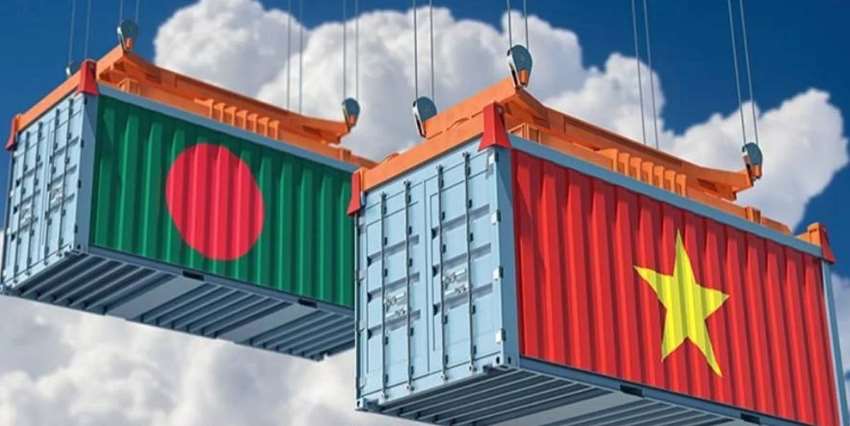
Vietnam's newly signed free trade deal with the European Union (EVFTA) presents both a huge opportunity and a logistical headache. Garments, worth around 10 per cent of Vietnam's exports and currently subject to EU tariffs of around nine per cent, will be by far the biggest beneficiary of the FTA. The tariff-slashing free trade agreement promises to bring an influx of orders and pave the way for Vietnamese garments to dominate the European market. The FTA will reduce duties on nearly half of all garment products to zero.
However, staff shortages have already started to manifest in Vietnam's garment industry, where the vast majority of manufacturers are focused on labor-intensive sewing and cutting processes. Factories’ demand for workers has increased by seven per cent since 2018. The industry lacks human resources especially high-level employees who have specialised skills. Finding people to operate dyeing or weaving machines is one thing. These are workers and can be trained. But finding experienced chemical engineers with a thorough knowledge of chemistry and dyeing is another. Also, European garment manufacturers feel the agreement will pave the way for cheap Chinese textiles to enter the European market after being transformed into garments in Vietnam. The EU is Vietnam’s second largest garment market after the United States, accounting for 15 per cent of the country’s total garment exports.