The European Union and China will strengthen their trade relationship and work toward opening up China’s economy for foreign investors. On surrendering intellectual property to gain access to China’s market, both sides have agreed there should not be a forced transfer of technology. The EU and China have agreed to a joint study on improving the inter-connectedness of rail systems. Both have also stressed a shared commitment to a rules-based system.
The EU has grown increasingly concerned about Chinese state-led companies buying key European assets while the level of market openness is not reciprocated in China. Politicians and businesses in the EU and the United States have criticized China for forcing foreign companies to hand over intellectual property in order to gain access to China’s economy — which is the second largest in the world.
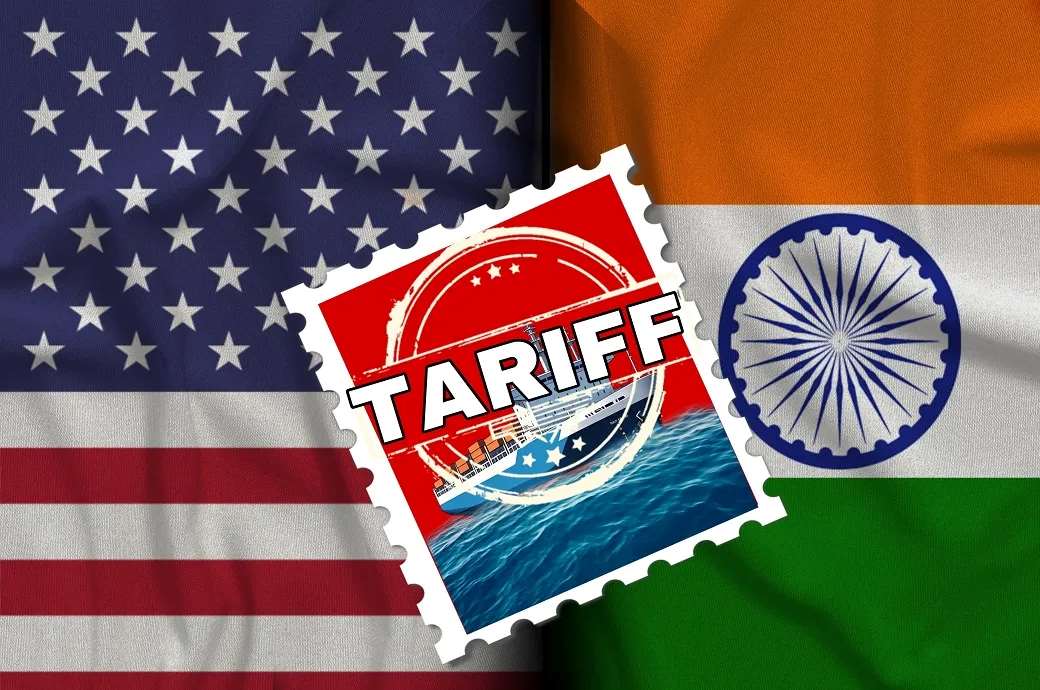
The EU is China’s biggest trading partner. China is the bloc’s second-biggest trading partner, coming in only after the US. The US seemed to be the protectionist elephant in the room throughout the EU’s negotiation process with the Chinese. The US, by virtue of its heavy tariffs, has more muscle and may yet extract more in the way of hard concessions from China than the EU, which has mainly won more in political commitments.
- 1
- 2
- 3
- 4
- 5
- 6
- 7
- 8
- 9
- 10
Global cotton enters a deficit year in 2026 as supply drop meets logistics risk
The global cotton economy has entered a fragile and sensitive phase. Early projections for the 2026-27 season suggest that world... Read more
India’s textile trade gets a Pacific push as New Zealand FTA removes tariff barr…
India and New Zealand have inked a ‘once-in-a-generation’ Free Trade Agreement (FTA), one that will have a profound impact on... Read more
Lululemon’s world-first nylon circularity push signals a new apparel arms race
The global apparel industry’s circularity narrative is entering a more technically demanding phase. Polyester recycling once the flagship of sustainable... Read more
Beyond the DTC Rush: Levi’s hybrid channel strategy sets a new retail benchmark
The global apparel sector is entering a phase where channel strategy is no longer a tactical lever but a core... Read more
The New Rules of Resale: EPR turning secondhand into fashion’s strategic growth …
The global fashion industry is facing a decisive regulatory and commercial reset. What began as a sustainability narrative around reuse... Read more
The 2027 Mandate: Why denim’s future hinges on verifiable data
For decades, the global denim industry has relied on a narrative of durability, heritage, and authenticity. That narrative is now... Read more
Europe’s textile core unravels as costs, imports and policy pressure bite
Europe’s textile and apparel sector, long seen as a benchmark for craftsmanship and industrial depth, is slipping into a prolonged... Read more
Automation, innovation, regulation are the forces shaping textiles in 2026
The global textile sector has entered a new era. Early 2026 saw the industry breach a $1.06 trillion valuation, reflecting... Read more
The new Brussels rulebook, every EU apparel order is now a balance-sheet risk
The humble export order sheet is undergoing a transformation. What was once a straightforward commercial instrument: SKU, volume, FOB price,... Read more
Why 2026-27 could be a defining cotton year for India’s farm-to-fashion economy
The global cotton economy is entering a more constrained phase, and for India, the implications run far beyond the farm... Read more