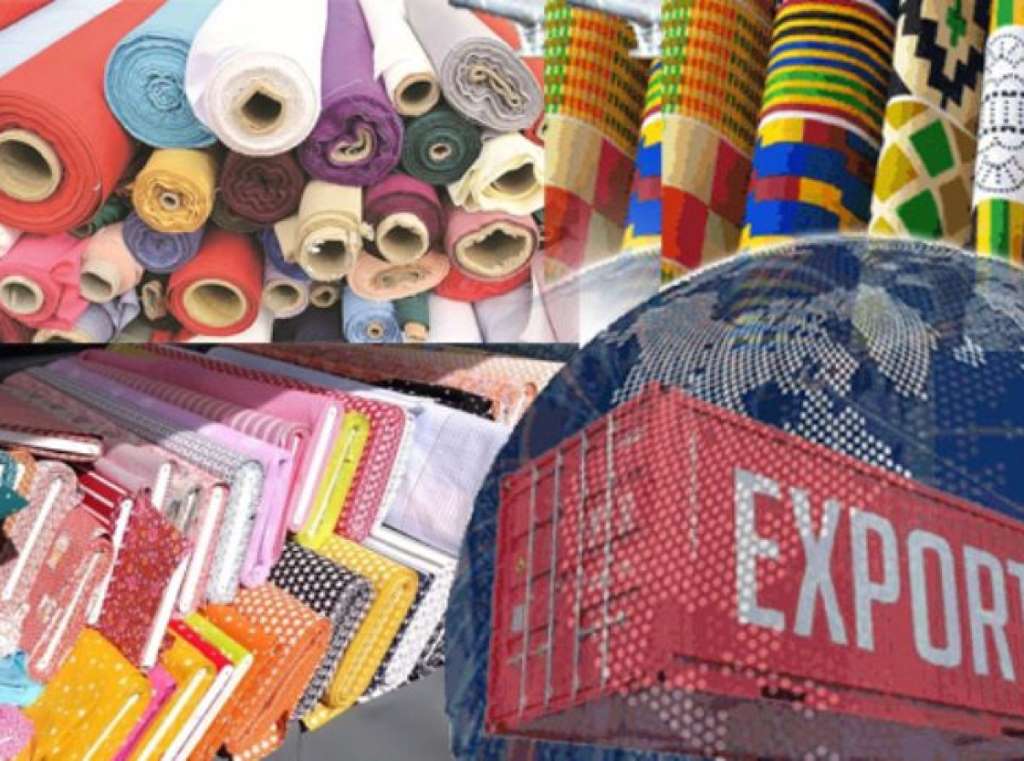
With its Epson SureColor F7070 and SureColor F6070 Printers showcased at an event just before New York Fashion Week, Epson, one of the largest manufacturers of printers worldwide, has shown to the global textile printing market how their innovative systems can benefit it. As Agustin Chacon, VP of subsidiary sales and operations, Epson America points out the future is now and technology continues to push the fashion industry forward and inspire creativity and innovation. This technology gives entrepreneurs a way to produce their art in an efficient and affordable manner. It provides a whole new level of creative and functional versatility, he assured.
Epson SureColor F7070 printer produced a set of roses on a textile background, with the SureColor F6070 creating Jeffrey Fulvimari designed T-shirts, which utilised dye-sublimation technology that Epson has included in the SureColor printers. These two printers are aimed at fashion forward designers who want to be able to print directly onto fabric with high quality results. Both printers use UltraChrome DS ink from Epson that has been created to give fabrics of range of vivid colours. SureColor F7070 will retail at $9000 with the SureColor F6070 reaching a higher price point of $20,000, with these prices expected to be within the budgets of even designers that are just starting out in the fashion industry.
The Asia-Pacific textile printing market is currently the biggest globally, with an expected CAGR of over 4 per cent until 2020. The main reason for Asia becoming the market leader is because of rising population and strong economic growth in both India and China.
Key players in the global textile printing market, which is heavily dependent on consumer trends and the trends within the fashion industry, will face major challenges. It is important that companies in this market ensure they monitor developments in the fashion industry, so that new printers will meet changing industry needs.
- 1
- 2
- 3
- 4
- 5
- 6
- 7
- 8
- 9
- 10
The £7 Billion Question: Who pays for fashion’s ‘free rental’ habit?
The global fashion industry is facing an uncomfortable paradox: its most valuable customers may also be its most destructive. A... Read more
India, China Bangladesh face fresh headwinds as global apparel markets rebalance
Global apparel trade is entering a more uneven recovery phase, with demand growth persisting but losing uniform momentum across major... Read more
Global cotton enters a deficit year in 2026 as supply drop meets logistics risk
The global cotton economy has entered a fragile and sensitive phase. Early projections for the 2026-27 season suggest that world... Read more
India’s textile trade gets a Pacific push as New Zealand FTA removes tariff barr…
India and New Zealand have inked a ‘once-in-a-generation’ Free Trade Agreement (FTA), one that will have a profound impact on... Read more
Lululemon’s world-first nylon circularity push signals a new apparel arms race
The global apparel industry’s circularity narrative is entering a more technically demanding phase. Polyester recycling once the flagship of sustainable... Read more
Beyond the DTC Rush: Levi’s hybrid channel strategy sets a new retail benchmark
The global apparel sector is entering a phase where channel strategy is no longer a tactical lever but a core... Read more
The New Rules of Resale: EPR turning secondhand into fashion’s strategic growth …
The global fashion industry is facing a decisive regulatory and commercial reset. What began as a sustainability narrative around reuse... Read more
The 2027 Mandate: Why denim’s future hinges on verifiable data
For decades, the global denim industry has relied on a narrative of durability, heritage, and authenticity. That narrative is now... Read more
Europe’s textile core unravels as costs, imports and policy pressure bite
Europe’s textile and apparel sector, long seen as a benchmark for craftsmanship and industrial depth, is slipping into a prolonged... Read more
Automation, innovation, regulation are the forces shaping textiles in 2026
The global textile sector has entered a new era. Early 2026 saw the industry breach a $1.06 trillion valuation, reflecting... Read more