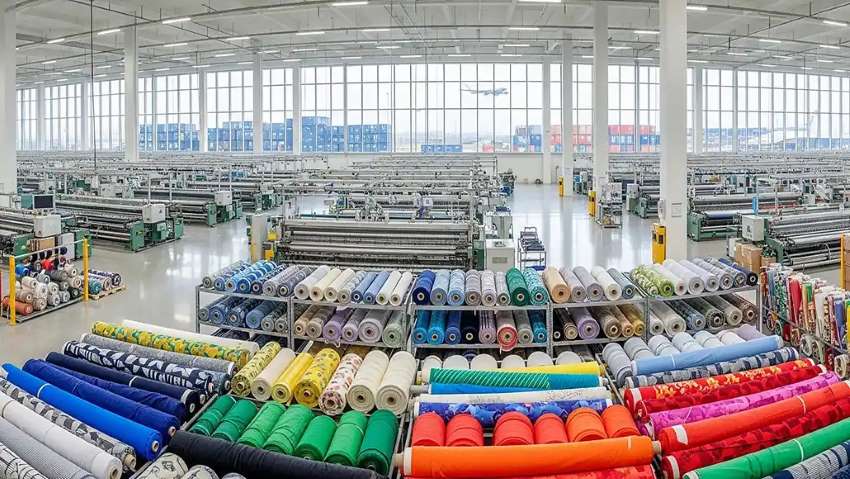
Egypt will promote products made of Egyptian cotton. A special unit will be formed to ensure the optimal use of the Egyptian cotton brand and to sign deals with international textile companies on that score under the agreement.
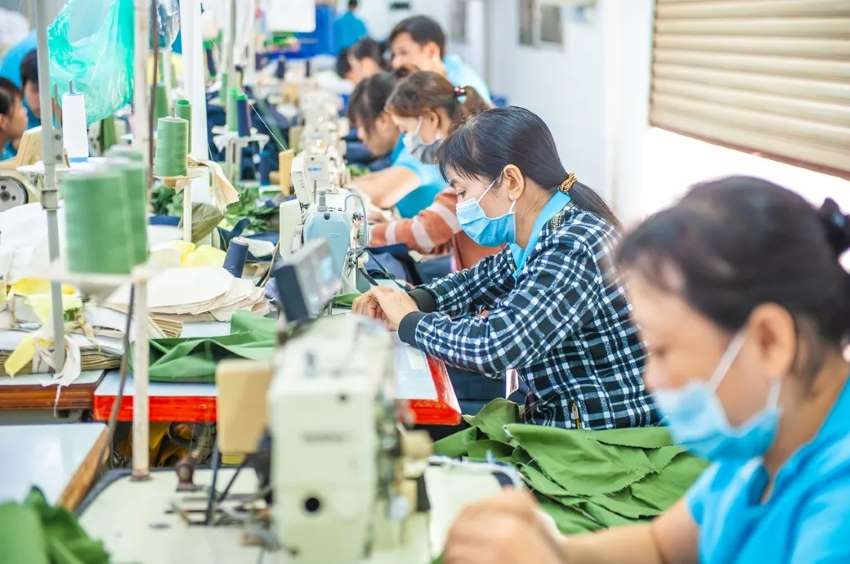
Egypt is eager on upgrading the system of cotton cultivation and the textile industry to better meet the demands of the local market and enhance exports.
A clear map of textile industries in Egypt will be drawn up to perfectly determine gaps between supply and demand. This will help define priorities to lure foreign investments and maximize the value added of Egyptian cotton.
Egyptian cotton is the preferred option for towels and bedding among American consumers. Egyptian cotton is also the name most people associate with quality and the cotton fiber they say they are prepared to pay a premium for.
Egyptian cotton’s length, strength, firmness, color, trash count and maturity have all improved.
If Egypt’s cotton industry returns to its previous glory, the economy would flourish, the spinning and textile industries would boom, and stalled factories would reopen.
In the past two years, Egypt has taken measures to restore seed purity and cotton quality. Egyptian cotton’s reputation and quality had deteriorated significantly due to the seed companies’ lack of effective quality assurance systems that resulted in inferior, mixed-variety output.

- 1
- 2
- 3
- 4
- 5
- 6
- 7
- 8
- 9
- 10
Landmark India-UK trade pact to supercharge textile export margins
The long-awaited India-UK Comprehensive Economic and Trade Agreement (CETA) is officially scheduled to commence on July 15, 2026. This breakthrough... Read more
Is it the end of aspirational luxury? Asia’s consumers demand more than logos
While the global personal luxury goods market remains broadly stable at around €358 billion, the apparent resilience masks a deeper... Read more
Vietnam wins, India slips as US apparel sourcing undergoes massive reset
A trade realignment is transforming the global apparel market, yet India’s manufacturing has stalled at the starting line. Newly released... Read more
US clothing prices rise faster than inflation, reshaping fashion retail strategy
After nearly two years of heavy discounting, inventory liquidation, and margin decline, apparel prices in the US are now rising... Read more
From gym to boardroom performance fabrics are redefining apparel demand
The global apparel industry has entered a new phase of evolution as the distinction between sportswear and everyday fashion continues... Read more
Digital Dominance Redefined: Zara moves past H&M in $100 bn fast fashion bat…
The global fast-fashion sector has reached a inflection point in 2026 where the battleground is no longer only store shelves... Read more
Spykar accelerates offline expansion: plans 100 new stores across India
A titan of the Indian denim-first fashion scene, Spykar has officially unveiled an aggressive retail growth strategy. As consumer demand... Read more
The Inventory Illusion: Rethinking the Zara benchmark in a volatile retail era
For over a decade, the global fashion industry has treated the Zara playbook as the gold standard of inventory efficiency.... Read more
Retail Without Retail: How Walmart’s depot network is turning space into logisti…
Walmart is fundamentally rewriting the commercial real estate and retail logistics playbook with the rise of its ‘Walmart Depots’ a... Read more
Global textile regulation tightens, forcing realignment across fashion supply ch…
Global fashion and consumer goods supply chains are entering a decisive regulatory transition as Extended Producer Responsibility (EPR) frameworks for... Read more