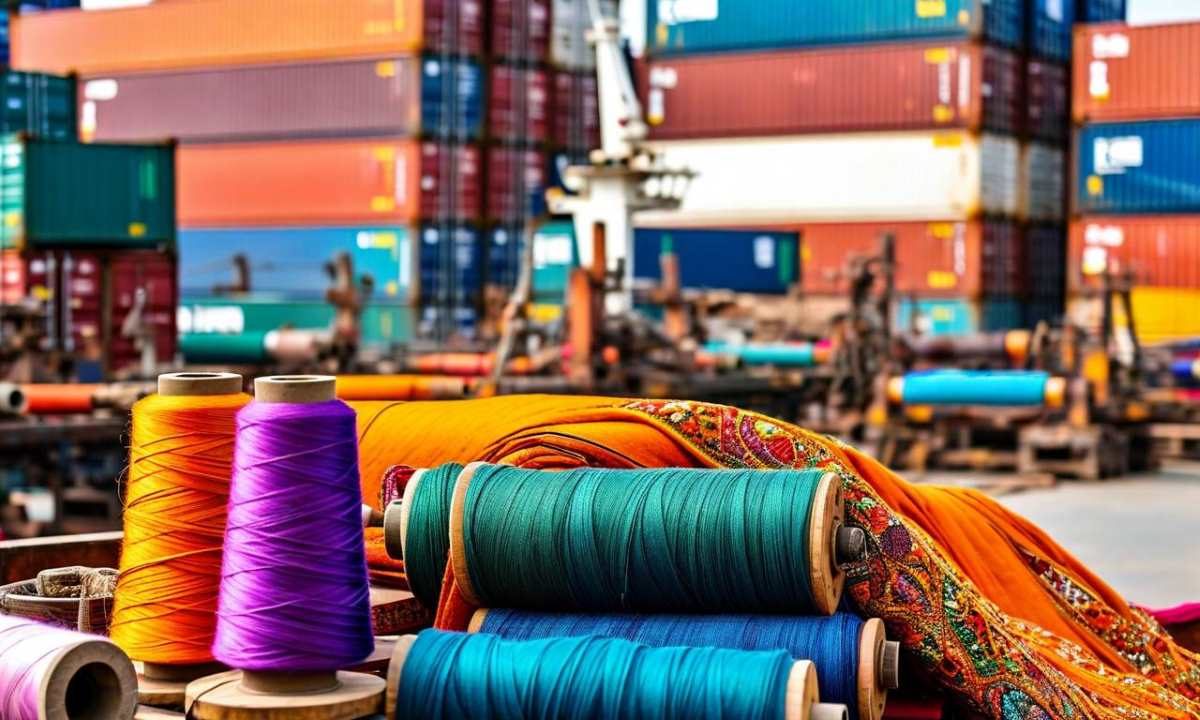
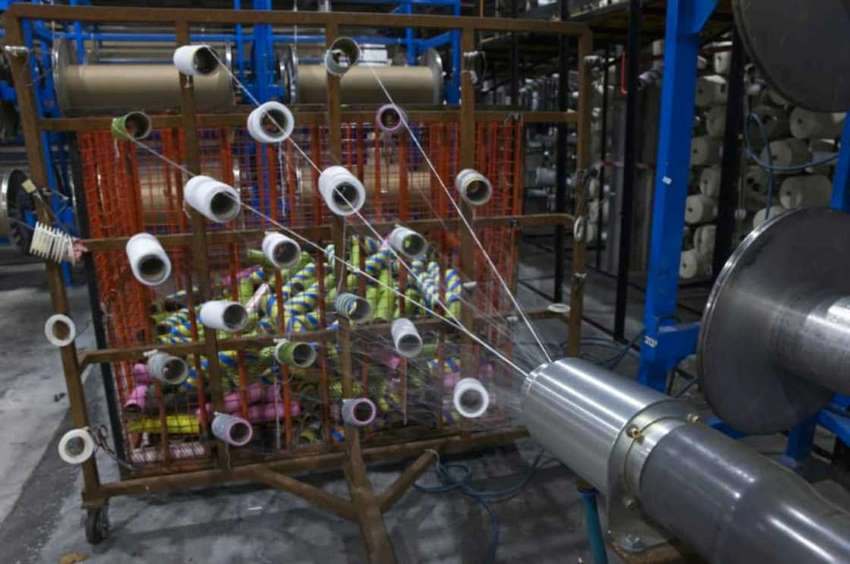
China will not accept textile or plastic waste from the rest of the world any more. The country used to take in more than half of the world’s rubbish, importing almost nine million metric tons of recyclable plastics a year. It started in the 1980s, helping to fuel the burgeoning economy, and grew into its own billion-dollar industry.
Unfortunately, this resulted in some of the worst pollution in the world, especially air pollution. People died and as a result there was a crackdown on pollution. Thousands of factories that didn’t meet environmental standards were closed. Since then China has been a leader in renewable energy, developing solar and wind technology, and building some of the world’s largest farms.
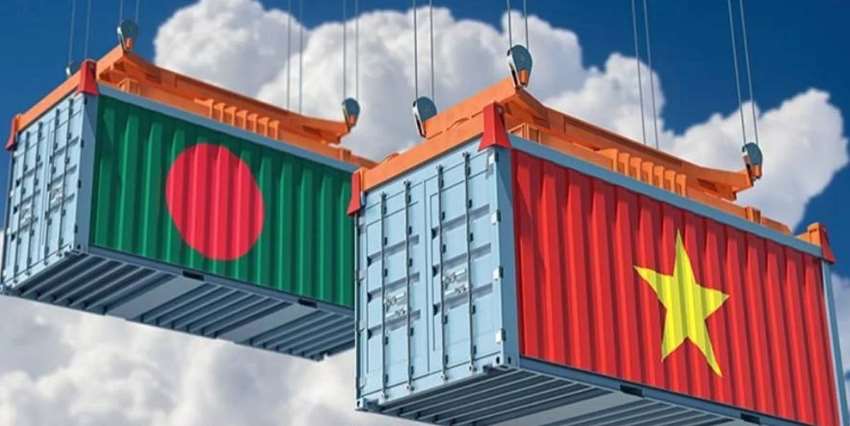
The United States, United Kingdom and the European Union were among those who exported most of their waste to China. Other Asian countries such as Vietnam, Malaysia and Thailand have seen a spike in recorded plastics imported, showing that western countries are simply finding somewhere else to dump their waste. However these countries have nowhere near the capacity or the infrastructure to deal with the numbers involved. The textile industry is one of the biggest polluters in the world, with clothing production having doubled in the last 15 years.
- 1
- 2
- 3
- 4
- 5
- 6
- 7
- 8
- 9
- 10
From London to Tokyo, premiumization redefines retail and office markets
Global real estate landscape has changed. Gone are the cautious narratives of recovery that defined the post-pandemic years. Today, flight... Read more
Compliance drives India’s $176 bn textile shift
India’s textile economy is no longer selling fabric alone; it is selling proof. As compliance rules harden across export markets,... Read more
The second life economy gets a boost as resale outgrows traditional apparel reta…
For decades, resale existed in the margins of the apparel economy, thrift stores, peer-to-peer marketplaces, and charity bins quietly absorbing... Read more
Rising polyester costs shake India’s textile manufacturing hubs
India’s synthetic textile industry is confronting a sudden and destabilizing price shock that is reverberating across its vast manufacturing ecosystem.... Read more
Cotton markets hold firm as tariffs, higher supply reshape global fiber economic…
In a year marked by tariff escalations, geopolitical brinkmanship and a recalibration of global trade flows, the international cotton market... Read more
Beyond Cotton How Kapok could redefine sustainable insulation in textiles
In the lush, humid heart of Southeast Asian rainforests stands a giant, a silent sentinel of the forest canopy. Growing... Read more
Bharat Tex 2026: Redefining the global textile value chain
Union Minister of Textiles, Giriraj Singh, has officially unveiled Bharat Tex 2026, signaling a significant leap in India’s influence over... Read more
Intertextile Shanghai Spring 2026: A hub for global textile innovation
The textile industry’s pulse is quickening as Intertextile Shanghai Apparel Fabrics – Spring Edition prepares to open its doors from... Read more
Moscow Fashion Week 2026: Blending sustainable innovation with timeless glamour
Scheduled to run from March 14-19, 2026 in Moscow, Russia, the Moscow Fashion Week (MFW) is cementing its status as... Read more
The Store as Stage: How fashion is crafting immersive consumer worlds
The North American fashion retail sector in 2026 is shedding its product-first identity and shifting towards a model that values... Read more