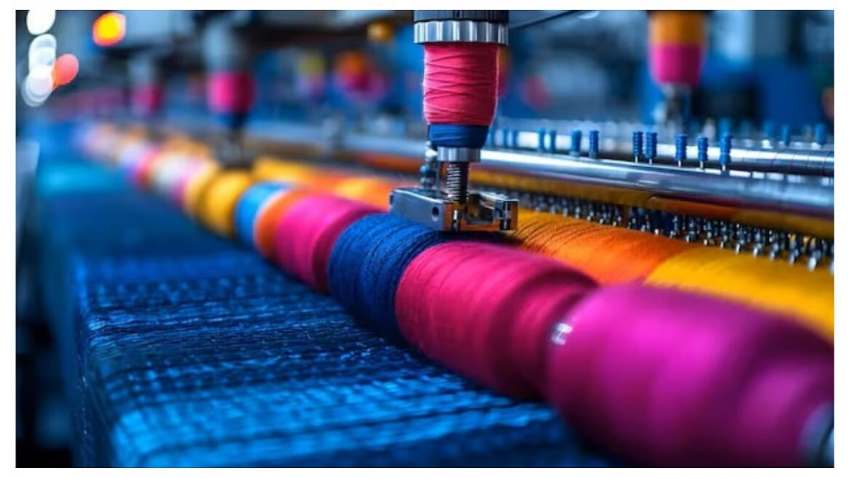
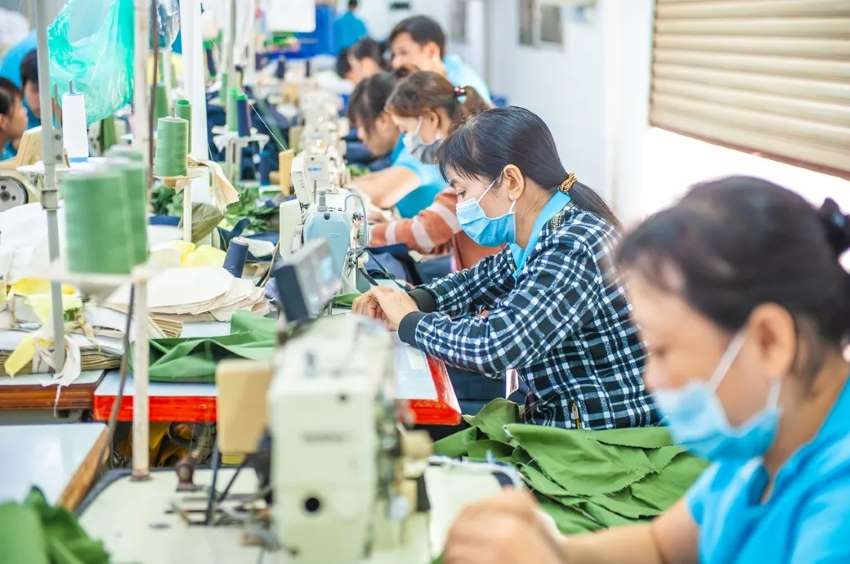
Africa has become a strategic hub for China as a supplier of cheap raw materials. But the continent’s textile manufacturers and retailers continue to grapple with the colossal incursion of comparatively-cheap Chinese textiles and apparel. This competition has forced local firms to downsize or close. Textile industries have declined in output, lost market share, profits and over 75,000 jobs as a result of cheaper Chinese textiles on the local market.
As Africa embraces these cheap textile imports, jobs and revenues are exported along with social and economic ramifications. The country has recorded relatively-low levels of technological advancement and investment in capital. Consequently, the clothing and textile industry registers low productivity, slow turnaround time, and a weak value chain. In contrast, Chinese textile manufacturers have critically exploited their provisional assets such as cheap labor, technological upgrade, capital and skills training.
As severe poverty infests greater part of Africa, the low per capita purchasing power dictates that the demand for China’s low-price export goods will continue to scale-up. Chinese retailers have added a brutal fight to the already-severe situation by establishing local retail chains for their home manufacturers since Africa is one of the finest destinations for China’s finished products.
- 1
- 2
- 3
- 4
- 5
- 6
- 7
- 8
- 9
- 10
Polyester volatility redraws India’s textile industry competitive map across Asi…
India’s synthetic textile industry has entered a phase of cost instability as polyester staple fibre (PSF) prices rise across domestic... Read more
The £7 Billion Question: Who pays for fashion’s ‘free rental’ habit?
The global fashion industry is facing an uncomfortable paradox: its most valuable customers may also be its most destructive. A... Read more
India, China Bangladesh face fresh headwinds as global apparel markets rebalance
Global apparel trade is entering a more uneven recovery phase, with demand growth persisting but losing uniform momentum across major... Read more
Global cotton enters a deficit year in 2026 as supply drop meets logistics risk
The global cotton economy has entered a fragile and sensitive phase. Early projections for the 2026-27 season suggest that world... Read more
India’s textile trade gets a Pacific push as New Zealand FTA removes tariff barr…
India and New Zealand have inked a ‘once-in-a-generation’ Free Trade Agreement (FTA), one that will have a profound impact on... Read more
Lululemon’s world-first nylon circularity push signals a new apparel arms race
The global apparel industry’s circularity narrative is entering a more technically demanding phase. Polyester recycling once the flagship of sustainable... Read more
Beyond the DTC Rush: Levi’s hybrid channel strategy sets a new retail benchmark
The global apparel sector is entering a phase where channel strategy is no longer a tactical lever but a core... Read more
The New Rules of Resale: EPR turning secondhand into fashion’s strategic growth …
The global fashion industry is facing a decisive regulatory and commercial reset. What began as a sustainability narrative around reuse... Read more
The 2027 Mandate: Why denim’s future hinges on verifiable data
For decades, the global denim industry has relied on a narrative of durability, heritage, and authenticity. That narrative is now... Read more
Europe’s textile core unravels as costs, imports and policy pressure bite
Europe’s textile and apparel sector, long seen as a benchmark for craftsmanship and industrial depth, is slipping into a prolonged... Read more