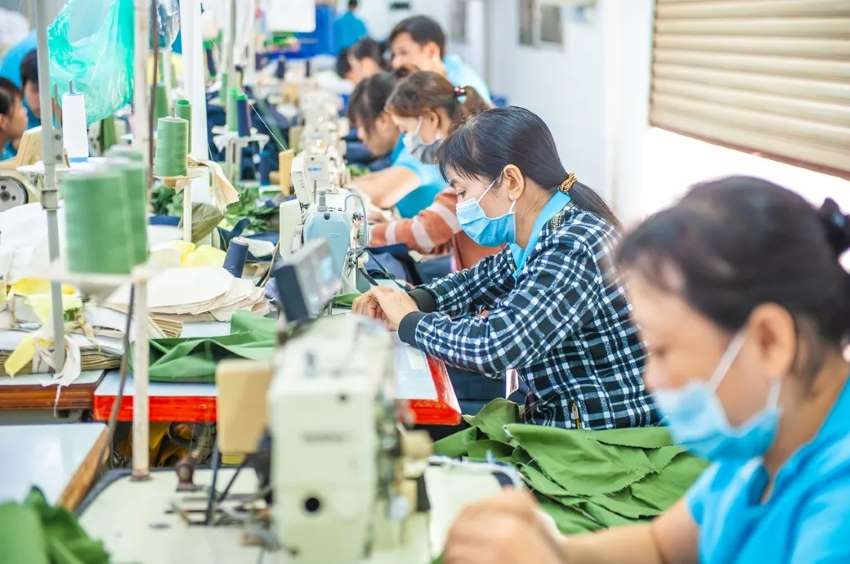
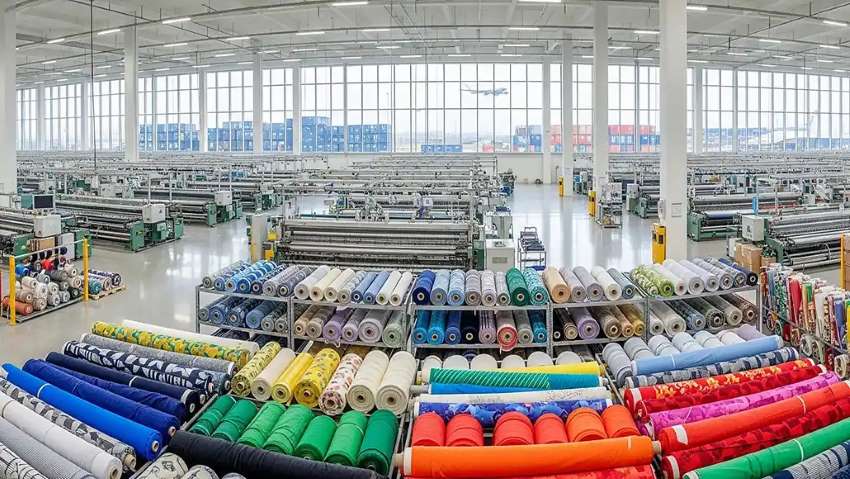
Vietnamese garment companies should focus on niche markets rather than compete directly with foreign companies, according to the Vietnam National Textile and Garment Group (Vinatex).
Vietnam's domestic market is a potential growth area for its garment industry, with a population of over 100 million people. However, local companies have faced challenges in recent years due to declining demand and limited new store openings. In contrast, foreign companies investing in Vietnam often view losses in the domestic market as a strategic investment to expand globally and reap profits in other markets.
To compete with foreign brands, the Vietnam National Textile and Garment Group (Vinatex) suggests that local companies focus on niche markets rather than trying to directly compete. This means relying on internal analysis and doing business in a way that enables them to conquer niche markets that big foreign fashion brands cannot enter. Additionally, Vietnamese companies can fulfill small orders, which are becoming increasingly popular, by creating a variety of products using difficult production techniques.
In recent years, the Vietnamese garment industry has made significant strides in terms of productivity, technology adoption, and labor skills development. This progress has been driven by the government's efforts to support the industry and the increasing demand for textile and garment products in the global market.
Despite the challenges, Vietnam's garment industry remains an important contributor to the country's economy, providing jobs for millions of workers and generating significant export revenues. The industry has the potential to continue to grow and develop by leveraging its strengths, focusing on niche markets, and adopting innovative approaches to production and marketing.