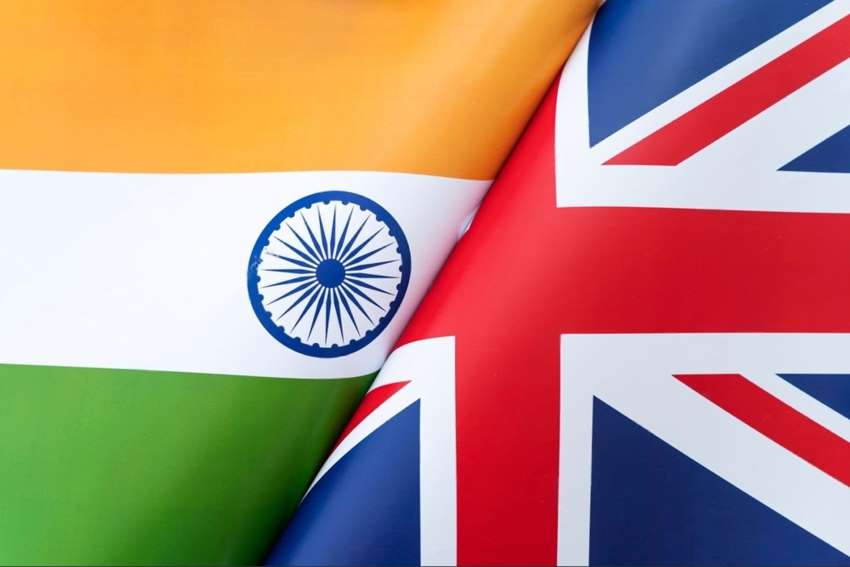
UK’s possible exit from the European Union may put a negative impact on the Bangladeshi exports to the UK, which is the third largest export destination for Bangladesh products, fear economists and exporters. With Britain set to vote on June 23 in a referendum to decide whether they should leave or remain in the European Union, latest opinion polls are suggesting a possible exit of UK from the EU.
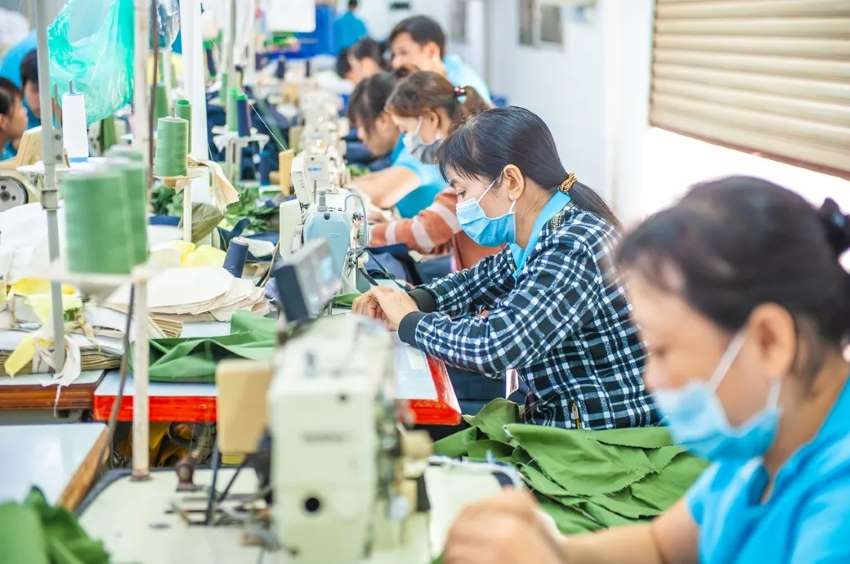
According to economists, if the UK exits (commonly known as Brexit) the EU, Bangladesh would have to go for bilateral negotiation to avail trade facilities. ‘If the Brexit brings positive things for the economy of the UK it would not hit Bangladeshi exports, but if the exit leads to any adverse impact on the economy of UK and EU then we will be a sufferer, opined Centre for Policy Dialogue executive director Mustafizur Rahman. Bangladesh’s exports to UK was worth $3.20 billion in the financial year 2015-16 with $2.90 billion coming from readymade garments sector alone. Faruque Hassan, Senior VP, Bangladesh Garment Manufacturers and Exporters Association, believes Bangladeshi export business would be hampered as the possible Brexit would damage the economy of the EU. He hoped if the UK leaves EU the duty benefits for Bangladesh would remain same.
Bangladesh enjoys duty-free benefits for all products and flexible rules of origins for readymade garments in the EU. Due to Brexit, Bangladesh would have to need bilateral agreements to avail the benefits in the UK.
- 1
- 2
- 3
- 4
- 5
- 6
- 7
- 8
- 9
- 10
The New Rules of Resale: EPR turning secondhand into fashion’s strategic growth …
The global fashion industry is facing a decisive regulatory and commercial reset. What began as a sustainability narrative around reuse... Read more
The 2027 Mandate: Why denim’s future hinges on verifiable data
For decades, the global denim industry has relied on a narrative of durability, heritage, and authenticity. That narrative is now... Read more
Europe’s textile core unravels as costs, imports and policy pressure bite
Europe’s textile and apparel sector, long seen as a benchmark for craftsmanship and industrial depth, is slipping into a prolonged... Read more
Automation, innovation, regulation are the forces shaping textiles in 2026
The global textile sector has entered a new era. Early 2026 saw the industry breach a $1.06 trillion valuation, reflecting... Read more
The new Brussels rulebook, every EU apparel order is now a balance-sheet risk
The humble export order sheet is undergoing a transformation. What was once a straightforward commercial instrument: SKU, volume, FOB price,... Read more
Why 2026-27 could be a defining cotton year for India’s farm-to-fashion economy
The global cotton economy is entering a more constrained phase, and for India, the implications run far beyond the farm... Read more
Luxury resale’s next big battle is no longer digital, it is about who controls s…
For nearly a decade, the luxury resale story was written in the language of platforms. Market leadership was measured by... Read more
Digital Arms Race: Indian apparel giants deploy AI to neutralize tariff crisis
The Indian textile and apparel sector is in a digital survival phase in 2026, shifting from traditional labor-intensive models to... Read more
Europe’s Textile Endgame: Why Project FAE is becoming fashion’s most critical in…
Europe’s apparel majors are no longer treating circularity as a branding layer. With Project FAE or Feedstock Activation Europe, the... Read more
Engineering color at source, dye-free production is cutting cost, water, and tim…
For over a century, coloring has been anchored in wet processing, an energy-intensive, chemically saturated stage that happen post spinning.... Read more