The uncertainty over a no-deal Brexit is making things difficult for the UK fashion business. From designers to models and garment-makers are keen to know the impact leaving the European Union will have on their industry.
Benefits from overseas trade deals outside the EU with countries like Australia, the US and Canada would take time to have effect. Exchange rates are causing difficulties because of how fashion companies work. It’s common for brands to forward sell. Essentially, they agree to sell clothes at a certain price a few months in advance. But it’s hard to know how to price things because of the changing value of the pound. The clothes showcased at a fashion week this month will be on sale to customers in February next year, so placing orders on those goods is a total gamble with fluctuating rates.
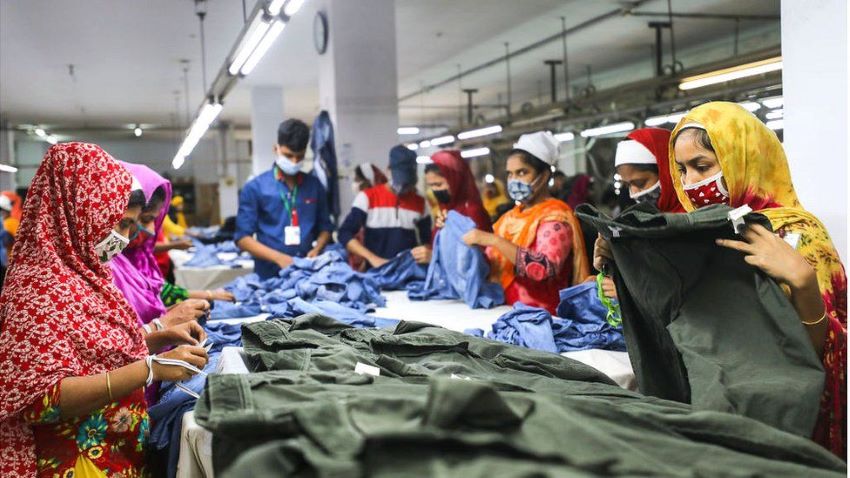
But Brexit could push more clothing factories to open in the UK. Leaving the EU could lead Britain to offer more competitive prices. There may be growth within garment manufacturing and more garment manufacturers may arise. However when it comes to the high street, costs could go up because of taxes on imports and exports. Imports involve delays and transport issues, logistics and tariffs. So prices can go up.
- 1
- 2
- 3
- 4
- 5
- 6
- 7
- 8
- 9
- 10
Global cotton enters a deficit year in 2026 as supply drop meets logistics risk
The global cotton economy has entered a fragile and sensitive phase. Early projections for the 2026-27 season suggest that world... Read more
India’s textile trade gets a Pacific push as New Zealand FTA removes tariff barr…
India and New Zealand have inked a ‘once-in-a-generation’ Free Trade Agreement (FTA), one that will have a profound impact on... Read more
Lululemon’s world-first nylon circularity push signals a new apparel arms race
The global apparel industry’s circularity narrative is entering a more technically demanding phase. Polyester recycling once the flagship of sustainable... Read more
Beyond the DTC Rush: Levi’s hybrid channel strategy sets a new retail benchmark
The global apparel sector is entering a phase where channel strategy is no longer a tactical lever but a core... Read more
The New Rules of Resale: EPR turning secondhand into fashion’s strategic growth …
The global fashion industry is facing a decisive regulatory and commercial reset. What began as a sustainability narrative around reuse... Read more
The 2027 Mandate: Why denim’s future hinges on verifiable data
For decades, the global denim industry has relied on a narrative of durability, heritage, and authenticity. That narrative is now... Read more
Europe’s textile core unravels as costs, imports and policy pressure bite
Europe’s textile and apparel sector, long seen as a benchmark for craftsmanship and industrial depth, is slipping into a prolonged... Read more
Automation, innovation, regulation are the forces shaping textiles in 2026
The global textile sector has entered a new era. Early 2026 saw the industry breach a $1.06 trillion valuation, reflecting... Read more
The new Brussels rulebook, every EU apparel order is now a balance-sheet risk
The humble export order sheet is undergoing a transformation. What was once a straightforward commercial instrument: SKU, volume, FOB price,... Read more
Why 2026-27 could be a defining cotton year for India’s farm-to-fashion economy
The global cotton economy is entering a more constrained phase, and for India, the implications run far beyond the farm... Read more