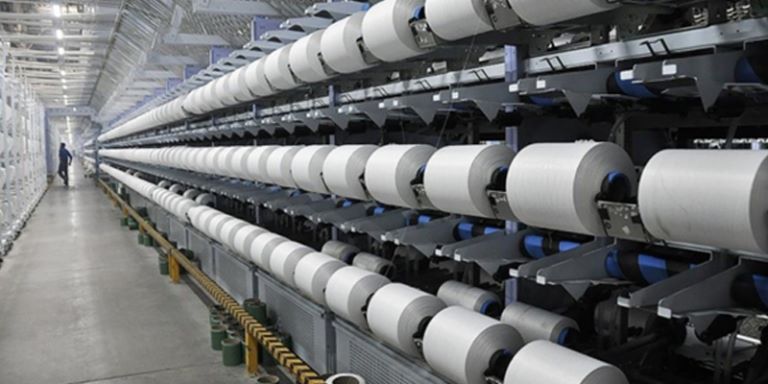
Brands are in a race to evolve their supply chains and manufacturing technologies in order to get new products to the market faster.Brands like Nike and Adidas have made moves to increase speed to market. They have shed the old model in which new shoe styles could take up to 18 months to crawl from conception to store shelves.
These efforts have led to a huge cut in supply chain lead times, reducing the chance of having excessive, slow-moving inventory and increasing sportswear makers' odds of keeping up with the latest trends. That could add an additional 15 per cent to top line growth.
So almost 20 per cent of Nike’s and Adidas' production may be automated by fiscal 2023. Innovations like digitized design, automated production, 3D printing could also increase their share gains.
After the supply chain changes take hold, almost no small brand or private label footwear maker for the foreseeable future will be able to offer comparable quality products to what Nike and Adidas have at similar prices.
So major athletic wear brands are poised to offer better products.
Sales in the athletic wear industry may have a seven per cent annual global growth by 2021.
- 1
- 2
- 3
- 4
- 5
- 6
- 7
- 8
- 9
- 10
The second life economy gets a boost as resale outgrows traditional apparel reta…
For decades, resale existed in the margins of the apparel economy, thrift stores, peer-to-peer marketplaces, and charity bins quietly absorbing... Read more
Rising polyester costs shake India’s textile manufacturing hubs
India’s synthetic textile industry is confronting a sudden and destabilizing price shock that is reverberating across its vast manufacturing ecosystem.... Read more
Cotton markets hold firm as tariffs, higher supply reshape global fiber economic…
In a year marked by tariff escalations, geopolitical brinkmanship and a recalibration of global trade flows, the international cotton market... Read more
Beyond Cotton How Kapok could redefine sustainable insulation in textiles
In the lush, humid heart of Southeast Asian rainforests stands a giant, a silent sentinel of the forest canopy. Growing... Read more
Bharat Tex 2026: Redefining the global textile value chain
Union Minister of Textiles, Giriraj Singh, has officially unveiled Bharat Tex 2026, signaling a significant leap in India’s influence over... Read more
Intertextile Shanghai Spring 2026: A hub for global textile innovation
The textile industry’s pulse is quickening as Intertextile Shanghai Apparel Fabrics – Spring Edition prepares to open its doors from... Read more
Moscow Fashion Week 2026: Blending sustainable innovation with timeless glamour
Scheduled to run from March 14-19, 2026 in Moscow, Russia, the Moscow Fashion Week (MFW) is cementing its status as... Read more
The Store as Stage: How fashion is crafting immersive consumer worlds
The North American fashion retail sector in 2026 is shedding its product-first identity and shifting towards a model that values... Read more
Turning the supply chain upside down, on-demand production reshapes apparel
The global fashion industry, long celebrated for its creativity and scale, is facing a structural reckoning. For decades, retailers and... Read more
Intertex Milano 2026 - A global nexus for textile innovation
Intertex Milano is set to return this summer, confirming its status as a premier international destination for the textile and... Read more