The Bangladesh Garment Manufacturers and Exporters Association (BGMEA) is calling for the waiver of the 7.5% and 15% VAT imposed on locally recycled fiber to attract more foreign investment in the industry.
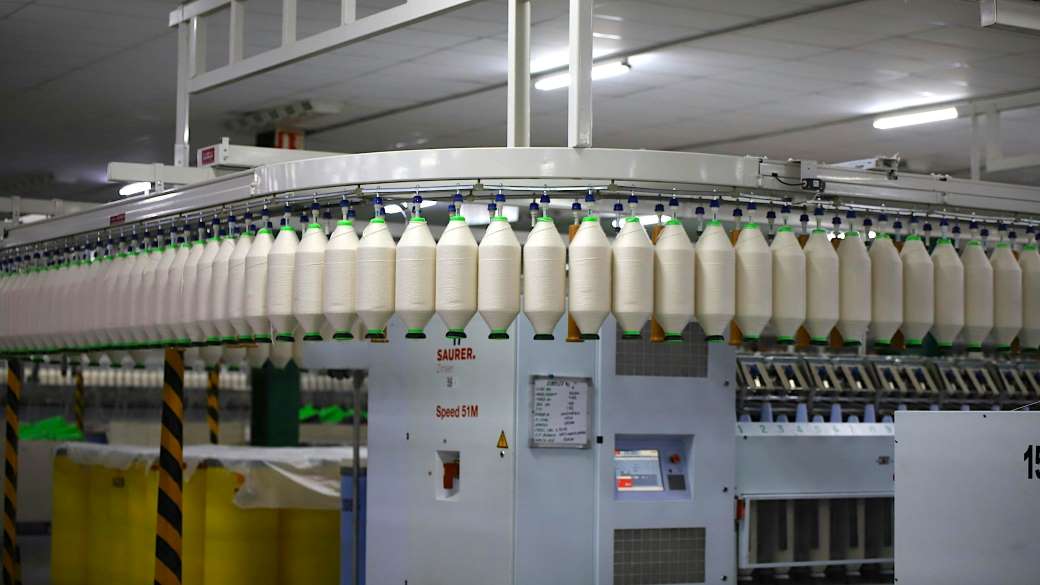
The tax applies to the collection of raw materials used by locally established recycled fiber production mills and their supply to local spinning mills. Additionally, the BGMEA is urging the establishment of an HS code and duty-free facilities for importing textile waste, clips, and mutilated garments from the textile industry.
Recycled fiber is an emerging 100% export-oriented backward industry that is growing in importance for achieving new laws and Sustainable Development Goals (SDGs) in the EU and the West. However, locally sourced 5,77,000 tons of textile waste are not enough to meet demand from buyers. To address this, the BGMEA is recommending the import of textile waste and mutilated garments to meet demand.
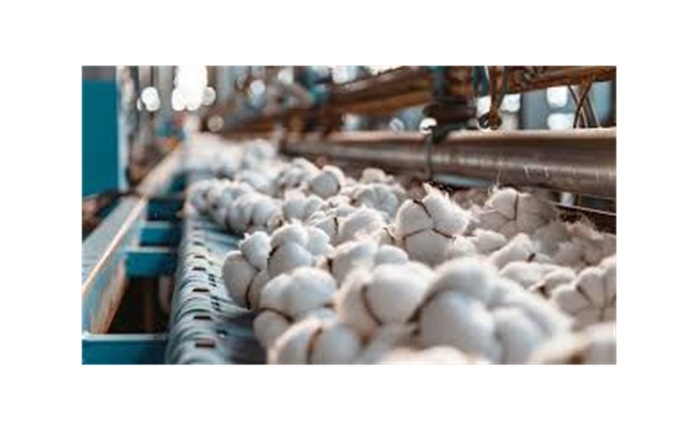
Producing recycled fiber adds value at the local level, is chemical-free, and emits no CO2, making it a unique solution for protecting the environment. Using recycled fiber as an alternative to virgin cotton saves Bangladesh at least 30% of foreign exchange on total imports of virgin cotton, which is worth an estimated $1 billion.
As international consumers shift towards circular fashion and recycled products, the BGMEA believes it is crucial to focus on reusing post-industrial waste or jute cloth as raw materials. The European Union's new law requires cotton fabrics to include at least 50% virgin cotton, organic cotton, or polyester with a comparable rate (recycled fiber) by 2025.
To encourage foreign investment, increase the use of recycled fiber in the industry, and ensure access to the European market for apparel items made from recycled fibers, the BGMEA has suggested the exemption of the 7.5% and 15% VAT charged on the gathering of raw materials used by locally established recycled fiber manufacturing mills and their supply to local spinning mills.