Women in Vietnam make up 80 per cent of the workforce in the garment sector. Better Work has been operating in Vietnam since 2009. This is a joint program of the ILO and International Finance Corporation and is active in eight countries, reaching more than two million workers.
Over 500 garment factories, with a workforce of 7,00,000, participate in the program in the country. The program has shown garment factories that provide decent, good quality jobs and treat workers fairly can be a powerful driver of women’s empowerment and help bring lasting benefits to them, their families, and their communities.
As a result of their participation in the Better Work program, factories have steadily improved compliance with ILO core labor standards and national legislation covering compensation, contracts, occupational safety and health and working time. This has significantly improved working conditions and at the same time enhanced factories’ productivity and profitability. Better Work, launched in 2014, is a joint initiative between International Labor Organization and International Finance Corporation. It helps ensure compliance issues like welfare funds, vacation and maternity leave in factories. It has introduced a new concept of supporting readymade garment factories to boost their compliance while enhancing productivity.
- 1
- 2
- 3
- 4
- 5
- 6
- 7
- 8
- 9
- 10
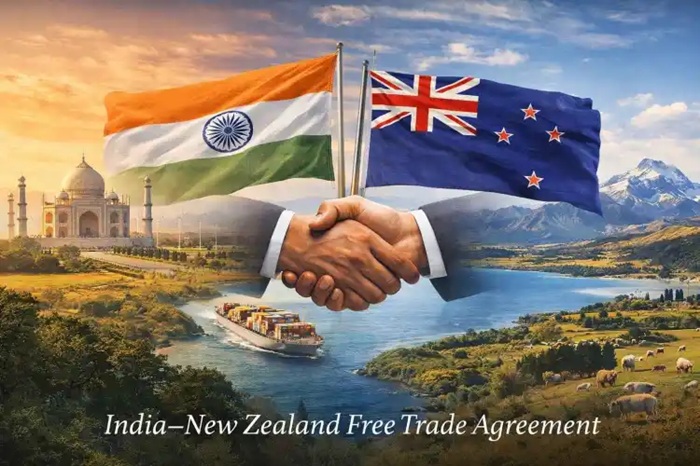
India’s textile trade gets a Pacific push as New Zealand FTA removes tariff barr…
India and New Zealand have inked a ‘once-in-a-generation’ Free Trade Agreement (FTA), one that will have a profound impact on... Read more
Lululemon’s world-first nylon circularity push signals a new apparel arms race
The global apparel industry’s circularity narrative is entering a more technically demanding phase. Polyester recycling once the flagship of sustainable... Read more
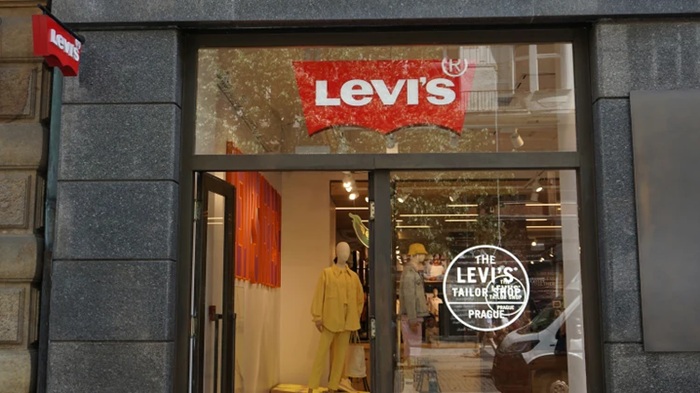
Beyond the DTC Rush: Levi’s hybrid channel strategy sets a new retail benchmark
The global apparel sector is entering a phase where channel strategy is no longer a tactical lever but a core... Read more
The New Rules of Resale: EPR turning secondhand into fashion’s strategic growth …
The global fashion industry is facing a decisive regulatory and commercial reset. What began as a sustainability narrative around reuse... Read more
The 2027 Mandate: Why denim’s future hinges on verifiable data
For decades, the global denim industry has relied on a narrative of durability, heritage, and authenticity. That narrative is now... Read more
Europe’s textile core unravels as costs, imports and policy pressure bite
Europe’s textile and apparel sector, long seen as a benchmark for craftsmanship and industrial depth, is slipping into a prolonged... Read more
Automation, innovation, regulation are the forces shaping textiles in 2026
The global textile sector has entered a new era. Early 2026 saw the industry breach a $1.06 trillion valuation, reflecting... Read more
The new Brussels rulebook, every EU apparel order is now a balance-sheet risk
The humble export order sheet is undergoing a transformation. What was once a straightforward commercial instrument: SKU, volume, FOB price,... Read more
Why 2026-27 could be a defining cotton year for India’s farm-to-fashion economy
The global cotton economy is entering a more constrained phase, and for India, the implications run far beyond the farm... Read more
Luxury resale’s next big battle is no longer digital, it is about who controls s…
For nearly a decade, the luxury resale story was written in the language of platforms. Market leadership was measured by... Read more