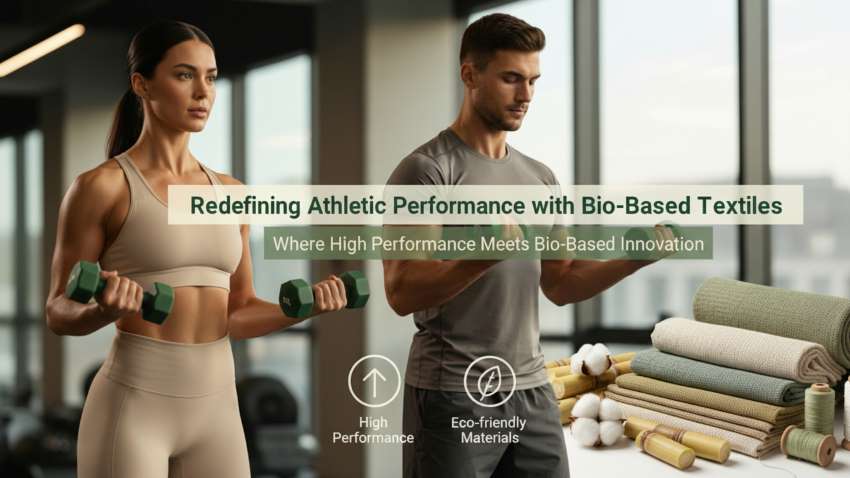
The reopening of economies in the EU and US has created new opportunities for Bangladesh to recover from the severe fallout of Covid-19. Garment exporters have been receiving a lot of work orders from international clothing retailers and brands ever since Western economies reopened. Demand for garment items made with artificial fibers has increased worldwide, so local apparel makers could use this chance to grab a bigger share of the market. Reputed brands and consumers are leaning toward manmade and recycled fiber to achieve sustainability. FDI in the woven sector will also help.
Bangladesh will continue to enjoy preferential access to European markets even after the country graduates from the UN’s least developed grouping in 2026. Access will be enabled under the EU’s proposed Generalised System of Preferences that will come into effect from January 1, 2024.
However, unhealthy competition among local suppliers has been affecting the garment prices. In the absence of unhealthy price competition, Bangladesh’s garment exporters can obtain better prices from international retailers and brands. Another way of getting better prices would be for green garment factories to label their products. Bangladesh is the global leader in green garment factories.