Bangladesh has urged the European Union (EU) to consider textile threshold criteria for the country in the newly proposed GSP provisions. The plea was made by a delegation led during a visit to the European Parliament, in Brussels.
At the meeting, bilateral trade, LDC graduation, the proposed EU GSP scheme for 2024-2034, challenges, and preparedness to address them and the continuation of the development momentum of Bangladesh were discussed. The delegation stressed the significance of the EU's continued support for Bangladesh's smooth LDC graduation, and urged the international organization to extend the transition period from three years to six years.
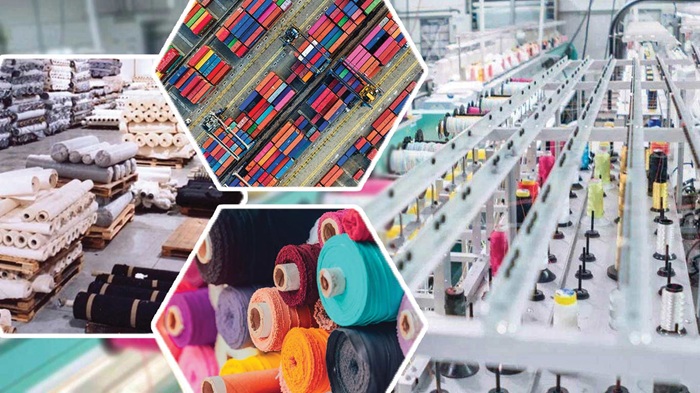
The presentation made expressed thhat Bangladesh had greatly benefited from LDC-specific trade preferences under the generalised system of preferences (GSP) scheme. The readymade garment (RMG) industry has made a significant contribution to the socioeconomic development of Bangladesh, especially poverty alleviation through employment creation and empowerment of women, who make up 60 percent of the total apparel workforce.
Under the proposed provisions, Bangladesh is likely to qualify for GSP+ after its LDC graduation, but the specified EU "safeguards" would exclude the country's clothing exports from any tariff preferences. As a result, Bangladesh's apparel sector would not benefit from the GSP+ facility and would lose competitiveness in the EU market, which would hurt the RMG sector and millions of lives who depend on the industry for their livelihood.
The delegation hoped that the EU would consider the issues and continue to support Bangladesh so that the momentum behind the country's economic growth continues after LDC graduation.
Bangladesh is eager to ensure that it maintains its economic momentum and that the RMG sector continues to contribute to the country's development journey.